Over the past decade, finance technology (often referred to as fintech) has become one of the most powerful forces shaping global access to financial services. From digital payments to alternative lending and mobile banking, finance technology is breaking traditional barriers and helping millions of people especially those in underserved regions become part of the formal economy.
Today, more than 1.4 billion people globally are unbanked, according to the World Bank. The lack of access to banking, credit, insurance, and savings tools has kept individuals and small businesses financially excluded for decades. But finance technology is changing this narrative at an unprecedented pace.
This article explores how finance technology is driving financial inclusion worldwide, the innovations making the greatest impact, and what the future holds for underserved populations.

1. Mobile Banking: Bringing Financial Services to Remote Regions
One of the biggest breakthroughs driven by finance technology is mobile banking.
In many developing countries, people may not have access to a physical bank branch—but they do have access to mobile phones.
Finance technology platforms allow users to:
- Create digital wallets
- Send and receive money instantly
- Pay bills and merchants
- Save and manage funds securely
Examples like M-Pesa in Kenya and GCash in the Philippines show how mobile finance systems can transform entire economies.
Impact:
Millions of people previously excluded from traditional banking systems now have access to essential financial tools through their mobile devices.
2. Digital Payments and Cashless Ecosystems
Finance technology has dramatically expanded digital payment networks worldwide, reducing reliance on cash and enabling safer, faster transactions.
Key enablers include:
- QR-based payments
- Peer-to-peer (P2P) payments
- Tap-and-pay solutions
- Merchant apps for microbusinesses
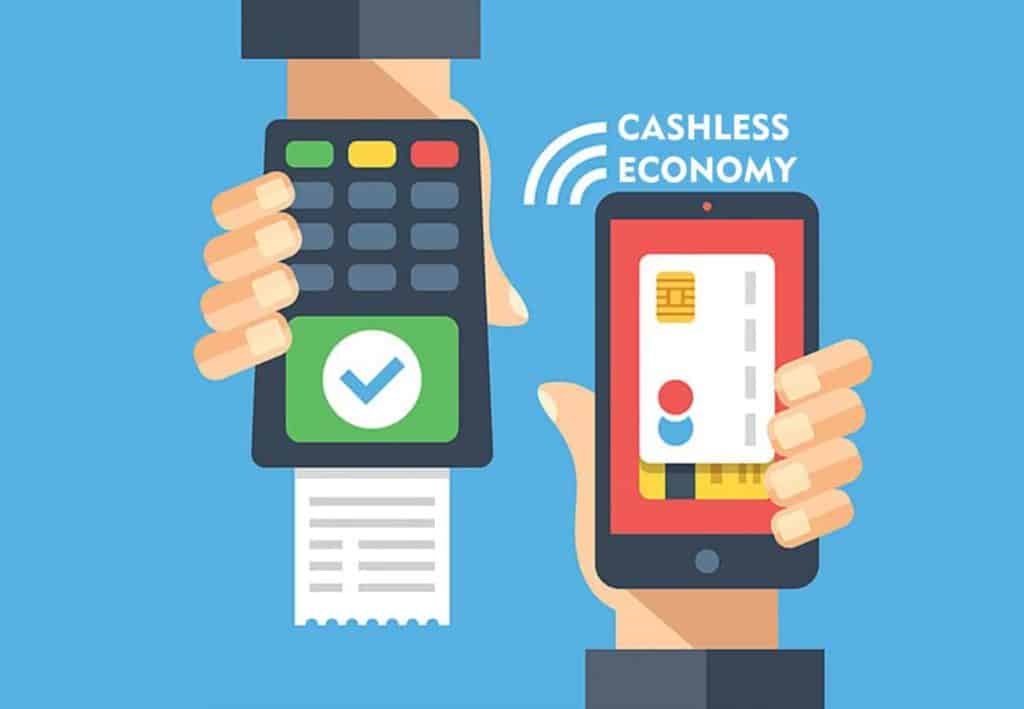
These digital payment systems help small and informal businesses increase their sales, maintain better records, and access financial services like credit.
Impact:
Digital payments simplify financial participation for individuals and empower small businesses to integrate into the commercial ecosystem.
3. Micro-Lending & Alternative Credit Scoring
Traditional lenders rely on credit history something millions of people don’t have.
Finance technology introduces alternative credit scoring, evaluating factors such as:
- Mobile phone usage
- Transactional behavior
- Utility and rent payments
- E-commerce activity
- Employment patterns
Fintech lenders and microfinance apps use this data to offer small loans instantly, helping people start businesses, cover emergencies, or invest in their education.
Impact:
People without a formal credit history can access lending services and gradually build credit profiles fueling long-term economic stability.
4. Lowering Costs Through Automation & Innovation

One of the reasons traditional banking excludes low-income populations is high operational cost.
Finance technology reduces these costs with:
- Automated underwriting
- AI-driven risk assessment
- Cloud-based infrastructure
- Digital KYC/identity verification
With lower overhead, fintech companies can offer:
- Zero-fee or low-fee accounts
- Affordable remittances
- Low-cost loan products
Impact:
Affordable digital financial services open the door for underserved populations to participate in the formal economy.
5. Expanding Access Through Digital Identity
Millions of people lack formal identification, making it impossible to open bank accounts.
Finance technology introduces digital identity solutions, including:
- Biometric authentication
- Electronic KYC (eKYC)
- Government-backed digital IDs
- Blockchain-based identity records
These systems make verification faster, cheaper, and more accessible.
Impact:
People without traditional documents can access financial services securely and reliably.
6. Enabling Financial Literacy Through Digital Platforms

Financial literacy is essential for inclusion.
Fintech and finance technology apps promote financial education through:
- Personalized budgeting tools
- Savings reminders
- Micro-investing platforms
- Financial coaching chatbots
Consumers learn to manage money better, make informed decisions, and avoid predatory lending.
Impact:
Digital education empowers individuals to become financially independent and responsible.
7. Cross-Border Payments & Remittances Become Cheaper
Traditional remittances can cost up to 7–10% in fees.
Finance technology is transforming this space with:
- Low-fee digital transfers
- Crypto-based cross-border settlements
- Wallet-to-wallet payments
- Real-time international money movement
Millions of migrant workers and families benefit directly from reduced costs.
Impact:
More money stays in the pockets of those who need it most, supporting families and small businesses globally.
The Future of Financial Inclusion Powered by Finance Technology
The role of finance technology in global financial inclusion will only grow in the coming years.
Trends shaping the future include:
- AI-driven personal finance tools
- Blockchain-based identity systems
- Micro-insurance for low-income populations
- Real-time global payment networks
- Government-fintech collaborations
As finance technology continues to evolve, billions more people could gain access to formal financial services, unlocking new opportunities for economic growth and stability.
Final Thoughts

Finance technology is not just reshaping the financial industry it is opening the door to financial inclusion worldwide.
By reducing costs, improving accessibility, and creating innovative tools for underserved populations, fintech is helping individuals and small businesses participate in the global economy in ways that were previously impossible.