In today’s digital world, cybersecurity has become one of the most important concerns for individuals and organizations. Every day, people share personal information online through emails, social media, banking apps, and cloud services. While technology makes life easier, it also increases the risk of data breaches, surveillance, and identity theft.
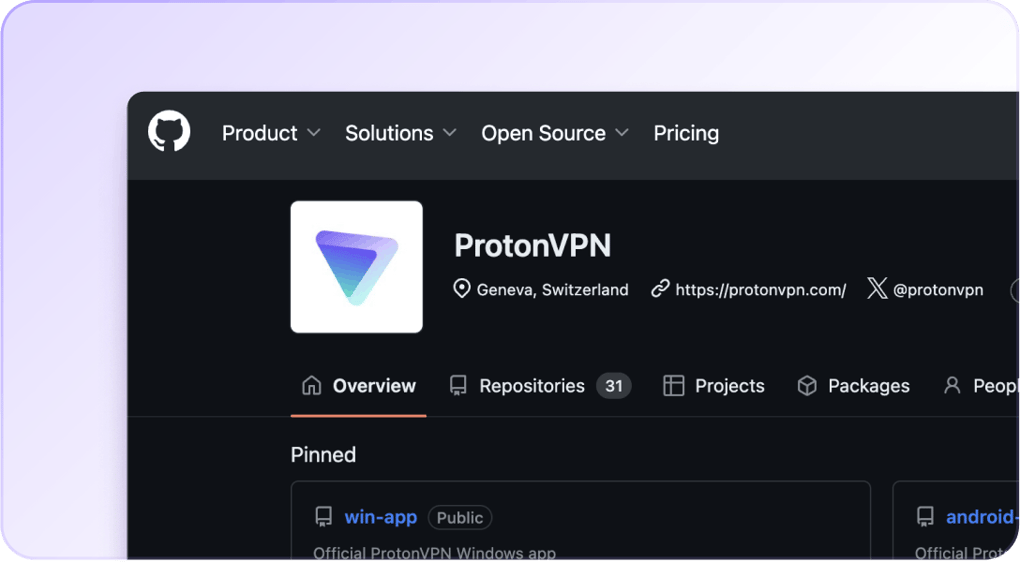
This growing concern has made transparency a crucial factor when choosing digital privacy tools. One company that has taken a strong stance on transparency is ProtonVPN. Available at ProtonVPN, ProtonVPN has adopted an open source approach to ensure users can trust the security behind its platform.
The open source model allows security experts and developers worldwide to inspect the code used by ProtonVPN. This transparency helps strengthen cybersecurity while giving users confidence that their privacy is genuinely protected.
What the Open Source Model Means for ProtonVPN

Open source software means that the source code behind a product is publicly available for inspection. Developers, researchers, and security professionals can analyze the code to identify potential vulnerabilities or security flaws.
Unlike closed software systems where users must trust the provider blindly, the open source model allows anyone to verify how the system works.
For ProtonVPN, this approach provides several advantages
• Public access to the platform’s security code
• Independent review by cybersecurity experts
• Faster identification of vulnerabilities
• Greater transparency in privacy practices
By making its applications open source, ProtonVPN demonstrates confidence in its security infrastructure.
Why Transparency Matters in Cybersecurity
Transparency is essential in cybersecurity because users rely on security tools to protect sensitive data. Without visibility into how these tools operate, users cannot verify whether their information is truly safe.
Many VPN services claim to offer strong security, but their software remains completely closed to public review. This makes it difficult for independent experts to confirm whether those claims are accurate.
ProtonVPN takes a different approach by embracing transparency. When software is open source, the security community can examine it and confirm that it performs as promised.
Key benefits of transparency include
• Increased trust between users and service providers
• Improved accountability in cybersecurity practices
• Greater reliability of security tools
• Reduced risk of hidden vulnerabilities
Transparency ensures that security claims can be verified rather than simply accepted.
Independent Security Audits Strengthen ProtonVPN

In addition to making its applications open source, ProtonVPN supports independent security audits. These audits are conducted by professional cybersecurity firms that review the platform’s infrastructure and software.
The purpose of these audits is to identify potential weaknesses and ensure that security standards remain strong.
Benefits of independent audits include
• Professional review of security systems
• Identification of potential vulnerabilities
• Increased credibility for the service provider
• Continuous improvement of security features
By combining open source transparency with independent security audits, ProtonVPN provides multiple layers of accountability.
How Open Source Improves Online Privacy
The open source model not only benefits developers but also improves privacy protection for users. When security tools are open to public inspection, it becomes much harder for hidden tracking systems or backdoors to exist within the software.
This transparency is especially important for privacy focused tools like VPN services. Users rely on VPNs to protect their browsing activity and hide their identity online.
ProtonVPN uses advanced encryption and secure infrastructure to ensure that user data remains private. The open source approach allows experts to verify that these protections are implemented correctly.
Privacy benefits include
• Verification of encryption systems
• Confidence in secure data transmission
• Reduced risk of hidden data collection
• Greater user control over personal privacy
These factors contribute to ProtonVPN’s reputation as a trustworthy privacy tool.
ProtonVPN and the Future of Transparent Cybersecurity
The demand for transparent cybersecurity solutions is growing rapidly. As more people become aware of digital privacy risks, they want tools that offer verifiable protection.
ProtonVPN’s open source model sets an important example for the industry. By allowing public inspection of its software, the company promotes a culture of accountability and trust.
Future cybersecurity solutions are likely to adopt similar transparency practices to build user confidence and strengthen digital security worldwide.
Summary
In an era where online privacy is constantly under threat, transparency has become a key element of cybersecurity. ProtonVPN’s open source model allows developers and security experts to examine the software and verify its security practices. This approach builds trust, improves reliability, and reduces the risk of hidden vulnerabilities. Combined with independent security audits and advanced encryption technology, ProtonVPN demonstrates how transparency can strengthen digital privacy protection.
FAQs
Q1. What is ProtonVPN’s open source model?
ProtonVPN’s open source model means that the software code behind its applications is publicly available for inspection by developers and security experts.
Q2. Why is open source important for cybersecurity?
Open source software allows independent experts to review the code, identify vulnerabilities, and verify security claims.
Q3. Does ProtonVPN undergo security audits?
Yes. ProtonVPN supports independent security audits that evaluate its software and infrastructure.
Q4. How does open source improve user trust?
By allowing public inspection of the code, users can verify that security tools operate as promised without hidden features.