Parenting has always required a balance between guidance and independence. In today’s digital environment, that balance extends into smartphones, messaging apps, and online communities that shape how children communicate and grow.
For many parents, the question isn’t whether to stay involved, it’s how to do so responsibly and legally. Monitoring a child’s phone can be a practical step toward ensuring safety, but it must be approached with clarity, transparency, and respect for both the law and the parent-child relationship.
Tools like mSpy are often part of this conversation, offering structured insights into device activity. However, the most important starting point isn’t the tool itself, it’s understanding the legal and ethical framework that guides its use.
This guide walks through what parents need to know to monitor their child’s phone legally, thoughtfully, and effectively.
Why Legal Awareness Matters in Digital Parenting
It’s easy to assume that monitoring a child’s device is automatically acceptable. In many cases, parents do have the legal right to supervise their minor children’s digital activity. However, the details can vary depending on location, the child’s age, and how the monitoring is conducted.
More importantly, legality and trust often go hand in hand. Even when something is legally permitted, the way it’s done can influence how a child perceives it.
For example, secretly installing monitoring software might be legal in certain situations, but it can lead to long-term trust issues if discovered later. On the other hand, being open about monitoring often creates a more cooperative environment.
Legal awareness, then, isn’t just about compliance, it’s about building a foundation for responsible digital parenting.
Understanding Consent and Ownership
One of the most important legal principles in phone monitoring is consent.
In many regions, parents or legal guardians are allowed to monitor devices that they own and provide to their children. This typically applies to younger children and early teens.
However, as children grow older, expectations around privacy begin to shift. In some jurisdictions, teenagers may have certain privacy rights, even within the family setting.
A practical approach many parents take is to treat consent as an ongoing conversation rather than a one-time decision. For example, when giving a child their first smartphone, parents might explain:
“This is your device to use, but as your parent, I’ll occasionally check in to make sure everything is safe.”
This kind of clarity helps avoid misunderstandings later on.
Transparency: The Cornerstone of Responsible Monitoring

While laws may vary, transparency is widely recognized as a best practice.
Being open about monitoring doesn’t weaken parental authority, it strengthens trust. Children are more likely to accept boundaries when they understand the reasoning behind them.
In real-life terms, this might look like setting clear expectations:
- Explaining what will be monitored
- Clarifying when and why checks may happen
- Reassuring the child that the goal is safety, not control
Tools like mSpy can support this approach by providing structured insights that parents can use as conversation starters rather than hidden surveillance.
What You Can Legally Monitor
The types of data parents can monitor generally depend on device ownership and local laws, but there are common areas that are widely considered acceptable when done responsibly.
These often include call logs, text messages, app usage, and location data. The purpose is not to track every detail but to maintain a general awareness of digital activity.
For example, noticing that a child is spending excessive time on certain apps or communicating with unfamiliar contacts can prompt a discussion before issues escalate.
The key is to use monitoring as a tool for guidance rather than control.
How mSpy Fits Into Legal Monitoring Practices
When used within legal and ethical boundaries, mSpy offers a structured way to stay informed about a child’s digital life.
The platform is designed to organize data into clear categories like messages, calls, app activity, and location making it easier for parents to understand patterns without needing technical expertise.
What makes this particularly useful is the emphasis on clarity. Instead of overwhelming users with raw data, mSpy presents information in a way that supports thoughtful decision-making.
For instance, rather than checking every message, a parent might review overall communication patterns or changes in behavior. This aligns well with a responsible approach to monitoring.
Avoiding Common Mistakes
Even with the best intentions, it’s possible to approach phone monitoring in ways that create unnecessary tension or confusion.
One common mistake is over-monitoring checking every detail too frequently. This can make children feel constantly watched, which may lead to resistance rather than cooperation.
Another is relying solely on technology. Monitoring tools provide insights, but they don’t replace conversations. Without communication, even accurate data can be misinterpreted.
A more balanced approach is to use tools like mSpy as a guide, not a replacement for parenting.
A Real-World Scenario: Monitoring Done Right
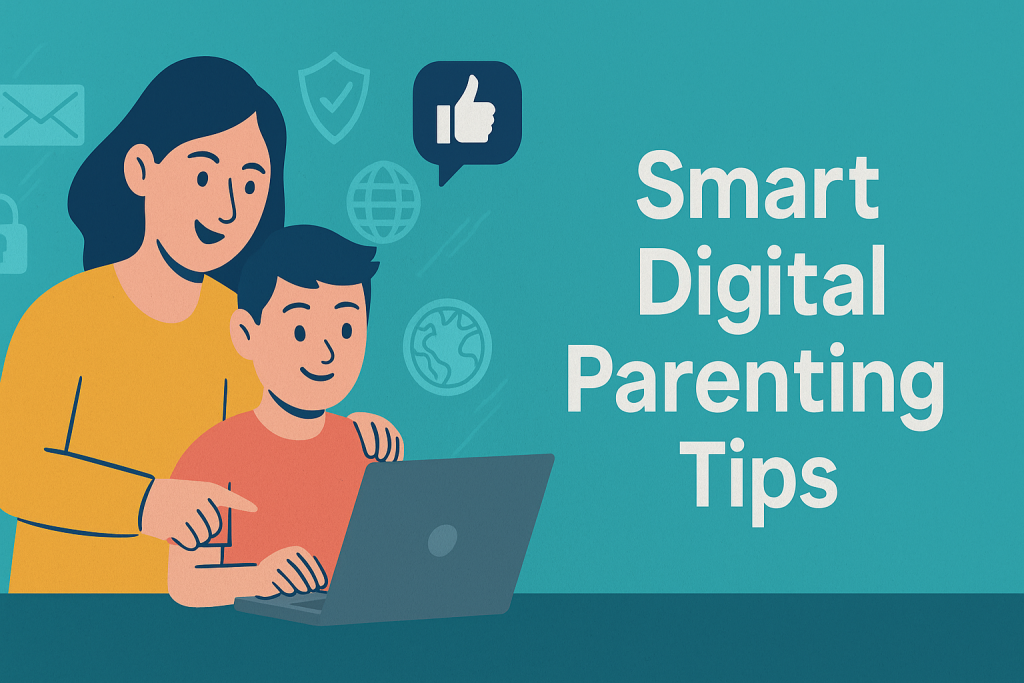
Consider a parent whose teenage child has recently become more withdrawn. They’re spending more time on their phone and less time engaging with family.
Instead of immediately restricting access, the parent uses a monitoring tool to gain a general sense of activity. They notice increased messaging late at night and frequent interaction with a new contact.
Rather than jumping to conclusions, the parent starts a conversation:
“I’ve noticed you’ve been on your phone quite a bit at night. Is everything okay?”
This approach keeps the focus on understanding rather than control. The monitoring tool provides context, but the conversation builds connection.
Legal Considerations Across Regions
While the general principles of parental monitoring are similar worldwide, specific laws can vary.
In some countries, parental authority provides broad rights to supervise a child’s device. In others, there may be stricter privacy regulations, especially for older teenagers.
Because of this, it’s always a good idea to familiarize yourself with local laws or seek professional guidance if you’re unsure.
What remains consistent, however, is the importance of responsible use. Tools like mSpy are designed to support legal monitoring, but the responsibility ultimately lies with the user.
Building Healthy Digital Habits Together

Monitoring a child’s phone should never feel like a one-sided action. The most effective approach involves collaboration.
For example, parents and children can agree on guidelines together:
- Reasonable screen time limits
- Appropriate app usage
- Open communication about online experiences
When children feel included in these decisions, they’re more likely to develop healthy habits that last beyond parental supervision.
In this context, monitoring becomes less about enforcement and more about education.
The Role of Technology in Modern Parenting
Technology isn’t going away, and neither are the challenges that come with it. The goal isn’t to eliminate risk entirely that’s rarely realistic but to manage it thoughtfully.
Tools like mSpy provide a way to stay informed without becoming overwhelmed. They offer structure, clarity, and practical insights that can support better decision-making.
At the same time, they work best when combined with communication, trust, and clear expectations.
Final Thoughts: A Balanced and Legal Approach
Monitoring your child’s phone is ultimately about care. It’s about ensuring safety, guiding behavior, and staying connected in a world where much of life happens online.
The legal aspect is an important foundation, but it’s only one part of the equation. How you approach monitoring whether with transparency, respect, and balance will shape its effectiveness.
mSpy can be a valuable tool in this process, offering a reliable and user-friendly way to understand digital activity. When used responsibly, it supports a parenting style that is both informed and compassionate.
In the end, the goal isn’t to watch every move. It’s to create an environment where children feel safe, supported, and understood both online and offline.