Online learning has become one of the most important tools for personal and professional growth. Whether someone wants to build a new career, strengthen existing skills, prepare for a promotion, or simply explore a new subject out of curiosity, digital education platforms now offer more flexibility than ever before.
Among the many learning platforms available today, Coursera has built a strong reputation for combining academic quality with practical career focused learning. Over the years, the platform has become popular with university students, working professionals, remote workers, career changers, and lifelong learners looking for structured online education from respected institutions and companies.
Still, before signing up for any learning platform, most people want clear answers. How does the system work? What types of courses are available? Is the learning experience flexible enough for busy schedules? What makes the platform different from standard video tutorial websites?
This detailed walkthrough explains how Coursera works, what learners can expect from the platform, and why it continues attracting millions of users worldwide.
Understanding What Coursera Actually Offers
At first glance, many people assume online learning platforms simply provide recorded video lessons. In reality, Coursera operates more like a large digital education ecosystem.
The platform partners with universities, educational institutions, and major global companies to offer courses across a wide range of subjects. Instead of focusing only on casual learning, many programs are designed around professional development, career readiness, and structured skill building.
Learners can explore topics such as:
Business and management
Data science and analytics
Computer science and programming
Marketing and digital strategy
Artificial intelligence and machine learning
Psychology and personal development
Finance and accounting
Health and wellness
Language learning
Creative and communication skills
This variety makes the platform useful for different types of learners at different stages of life.
A university student may use it to strengthen technical skills before graduation. A working professional may take leadership courses to prepare for career growth. Someone switching industries may focus on certifications connected to new career paths.
The First Experience After Signing Up

One reason many users appreciate Coursera is the simplicity of the onboarding experience.
After creating an account, the platform asks about learning interests, career goals, and preferred topics. This helps personalize course recommendations based on what users actually want to learn.
The homepage generally feels clean and organized rather than overwhelming. Courses are grouped into categories, career paths, trending skills, and professional certificates, making navigation easier for beginners.
For someone completely new to online education, this structure can feel reassuring. Instead of searching randomly through thousands of lessons, learners are guided toward relevant programs based on their interests and goals.
How Courses Are Structured on Coursera
One of the strongest parts of the learning experience is the structured course design.
Unlike short standalone tutorials found on many free video platforms, most Coursera courses follow organized educational pathways. Lessons are usually divided into modules that build knowledge gradually over time.
A typical course may include:
Video lectures
Reading materials
Practice quizzes
Assignments
Peer reviewed projects
Discussion forums
Certificates upon completion
This structure creates a more guided learning experience, especially for people who prefer organized progress instead of jumping between disconnected tutorials online.
For example, someone studying digital marketing may begin with foundational concepts before gradually moving into analytics, campaign strategy, content planning, and performance measurement.
The learning path feels intentional rather than random.
Flexibility Makes Learning More Practical

One of the biggest reasons online learning platforms continue growing is flexibility.
Many learners balance education alongside work, family responsibilities, or university schedules. Traditional classroom learning is not always realistic for people managing busy lives.
This is where Coursera becomes especially practical.
Courses can often be completed at a flexible pace, allowing learners to study during evenings, weekends, lunch breaks, or travel time. A working parent may complete lessons after children go to sleep. A university student may watch lectures between classes.
The ability to learn without commuting or rearranging entire schedules makes online education more accessible for a wide range of people.
Flexibility also helps reduce pressure because learners can adapt study routines around their existing responsibilities.
Coursera Professional Certificates and Career Learning

One area where Coursera stands out is professional certification programs.
Many courses are designed in partnership with recognized companies and institutions to help learners build job relevant skills. These programs often focus on practical career development rather than purely theoretical education.
For example, learners interested in technology careers may explore certifications connected to data analytics, IT support, cloud computing, or project management. Others may focus on business leadership, marketing strategy, or finance skills.
This practical focus appeals especially to career changers and professionals looking to strengthen their resumes.
Importantly, many learners appreciate that programs often combine theory with hands on assignments and real world examples rather than relying only on passive video watching.
The Learning Experience Feels More Interactive
A common concern with online learning is isolation. Some people worry digital education may feel disconnected or difficult to stay motivated with over time.
To address this, Coursera includes interactive elements that help create a stronger sense of engagement.
Discussion forums allow learners to exchange ideas, ask questions, and connect with other students globally. Some assignments involve peer feedback systems that encourage participation and reflection.
This community aspect can make online learning feel more collaborative and less solitary.
For example, someone taking a leadership course may read perspectives from professionals in different countries and industries, creating a broader understanding of workplace challenges and communication styles.
Products and Learning Programs Offered on Coursera
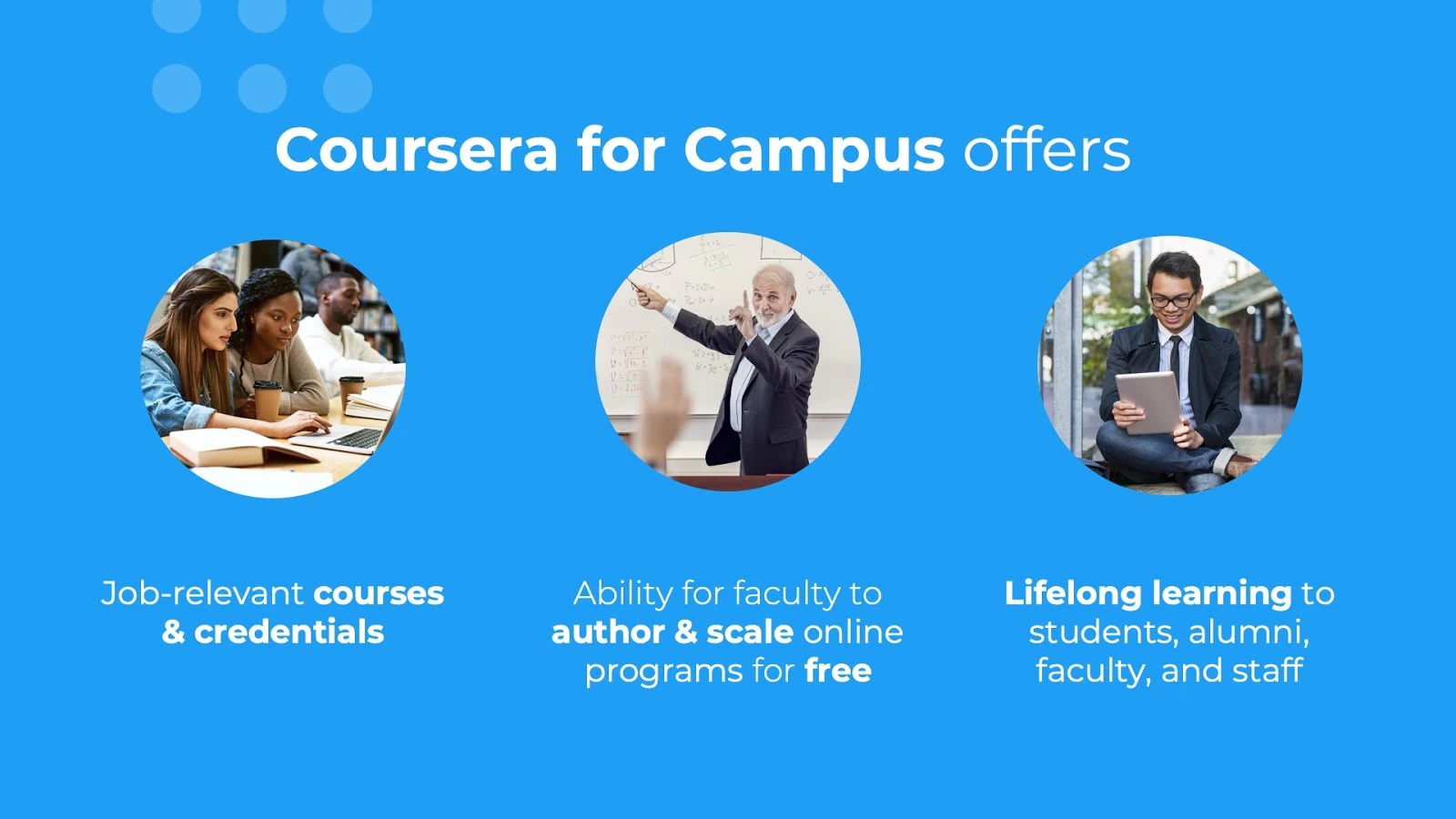
The platform offers several types of educational programs designed for different learning goals.
These generally include:
Individual online courses
Professional certificate programs
Guided projects
University backed degree programs
Career focused learning paths
Skill development courses
Business and technology certifications
Personal development and wellness courses
Short term practical learning programs
This range allows learners to choose between quick skill building experiences or longer structured educational pathways depending on personal goals.
Choosing the Right Course Matters
One practical tip for new learners is to begin with a clear objective before enrolling in multiple programs at once.
Some people start learning online enthusiastically but quickly become overwhelmed by too many courses. A more effective approach is usually selecting one focused goal first.
For example:
A marketing professional may focus specifically on analytics skills
A student may prioritize resume building certifications
A manager may explore leadership communication training
A beginner programmer may start with introductory coding fundamentals
Clear goals often lead to stronger consistency and better long term learning outcomes.
Why Online Learning Continues Growing
The popularity of platforms like Coursera reflects a broader shift in how people approach education and career development.
Traditional education remains valuable, but modern careers increasingly require continuous learning. Technology changes quickly, industries evolve rapidly, and professionals often need to update skills throughout their working lives.
Online learning provides flexibility that supports this ongoing growth.
It also allows people to explore subjects they may never have had access to through local educational institutions alone.
Someone living in a smaller city can now study courses connected to globally respected universities and organizations from home. This accessibility has helped reshape how people think about education entirely.
Coursera Supports Different Learning Styles
Another reason many learners appreciate Coursera is the variety of learning formats available.
Some people learn best through video explanations while others prefer reading materials, practical exercises, or project based assignments. Courses often combine several methods together to support different learning preferences.
This variety helps maintain engagement and allows learners to absorb information in ways that feel comfortable and effective for them.
The platform also encourages self paced learning habits, which many adult learners find more sustainable compared to rigid academic schedules.
Why Trust Matters in Online Education
As online learning has expanded, trust has become increasingly important.
Learners want confidence that courses are organized professionally, information feels credible, and certifications carry meaningful value. Platforms associated with recognized institutions naturally create more reassurance for users investing time and effort into skill development.
This trust factor is one reason Coursera continues attracting learners globally. Partnerships with universities and major organizations help create a stronger sense of educational reliability and long term value.
For many users, this combination of flexibility and credibility makes the platform feel more serious and structured than casual learning websites.
Final Thoughts
Online learning is no longer simply a backup option for traditional education. For many people, it has become a central part of career growth, personal development, and lifelong learning.
Coursera continues standing out because it combines flexible digital learning with structured educational experiences designed around real world skills and professional growth.
From career certificates and technical programs to personal development courses and university backed education, the platform offers learning opportunities suited to different lifestyles and goals.
For anyone considering online education before signing up, understanding how the platform works can make the decision feel more informed and less overwhelming.
As digital learning continues evolving, platforms that prioritize accessibility, credibility, and practical skill development will likely remain essential tools for modern learners around the world.