Home Blog Page 14

Unleashing the Power of Collaboration: Transforming Software Delivery with DevOps

0

Streamlining Software Development: A Deep Dive into DevOps Practices

In the fast-paced world of software development, where agility and reliability are paramount, traditional approaches to software delivery often fall short. Enter DevOps, a cultural and technical movement that aims to bridge the gap between development and operations teams, enabling organizations to deliver high-quality software faster and more efficiently than ever before. In this blog post, we explore the principles, practices, and benefits of DevOps, and how it is revolutionizing the way software is built, deployed, and maintained.

Understanding DevOps

At its core, DevOps is a philosophy that emphasizes collaboration, automation, and continuous improvement across the entire software development lifecycle (SDLC). It breaks down the silos between development (Dev) and operations (Ops) teams, fostering a culture of shared responsibility and accountability for delivering value to customers.

The key principles of DevOps include:

  1. Culture: DevOps is not just about tools and technologies; it’s a cultural shift that promotes collaboration, transparency, and empathy among team members. It encourages a “fail fast, learn fast” mindset, where experimentation and innovation are embraced.
  2. Automation: Automation is a fundamental tenet of DevOps, enabling teams to streamline repetitive tasks, reduce manual errors, and accelerate the software delivery process. From code deployment and testing to infrastructure provisioning and monitoring, automation is key to achieving efficiency and reliability.
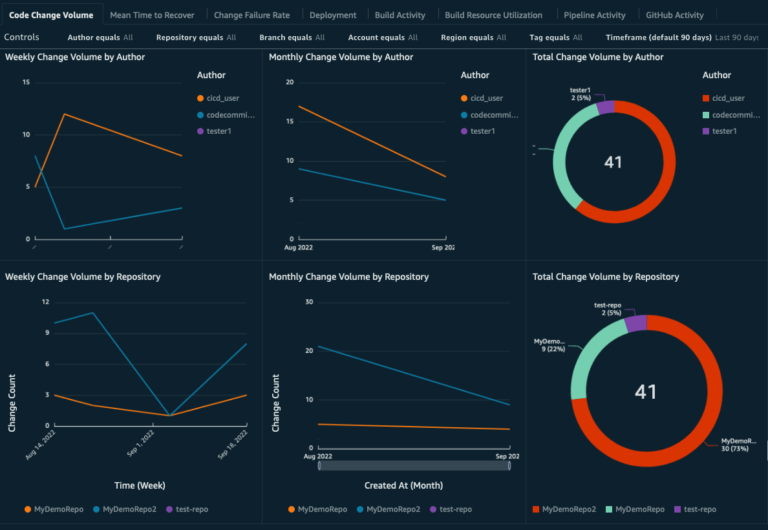
  3. Continuous Integration (CI) and Continuous Deployment (CD): CI/CD practices involve integrating code changes into a shared repository frequently, followed by automated testing and deployment to production environments. This allows teams to detect and address issues early in the development cycle and deliver new features to users quickly and safely.
  4. Infrastructure as Code (IaC): IaC is the practice of managing infrastructure using code and automation tools, such as Terraform or Ansible. By treating infrastructure configuration as code, teams can version control, test, and deploy infrastructure changes with the same rigor as application code, leading to greater consistency and reliability.

DevOps Practices and Tools

DevOps encompasses a wide range of practices and tools that facilitate collaboration, automation, and continuous improvement. Some of the key practices and tools include:

  1. Version Control: Tools like Git enable teams to manage and collaborate on code changes efficiently, ensuring version control and traceability.
  2. Continuous Integration (CI): CI tools such as Jenkins, Travis CI, or GitLab CI automate the process of integrating code changes and running automated tests whenever new code is pushed to a repository.
  3. Continuous Deployment (CD): CD tools like Spinnaker or AWS CodeDeploy automate the deployment of code changes to production environments, ensuring a seamless and reliable release process.
  4. Containerization: Containerization platforms like Docker and Kubernetes enable teams to package and deploy applications and their dependencies in lightweight, portable containers, making it easier to manage and scale applications across different environments.
  5. Monitoring and Logging: Monitoring tools like Prometheus and Grafana, along with logging tools like ELK stack (Elasticsearch, Logstash, Kibana), provide visibility into the performance and health of applications and infrastructure, enabling teams to detect and troubleshoot issues proactively.

Benefits of DevOps

The adoption of DevOps practices offers numerous benefits to organizations, including:

  1. Faster Time to Market: By automating manual tasks and streamlining the software delivery process, DevOps enables organizations to release new features and updates to customers more frequently and predictably.
  2. Improved Collaboration and Communication: DevOps fosters a culture of collaboration and communication between development, operations, and other stakeholders, breaking down organizational silos and aligning teams towards common goals.
  3. Enhanced Reliability and Stability: Through automation, infrastructure as code, and continuous testing and deployment practices, DevOps helps ensure the reliability and stability of applications and infrastructure, reducing the risk of downtime and outages.
  4. Increased Efficiency and Productivity: By eliminating manual, repetitive tasks and optimizing workflows, DevOps enables teams to focus their time and energy on value-added activities, leading to increased productivity and efficiency.
  5. Better Quality and Customer Satisfaction: Continuous integration, automated testing, and rapid feedback loops allow teams to identify and address issues early in the development cycle, resulting in higher-quality software and greater customer satisfaction.

Conclusion

In today’s competitive landscape, where innovation and speed are imperative for success, DevOps has emerged as a game-changer for organizations seeking to deliver software faster, more efficiently, and with higher quality. By embracing the principles of collaboration, automation, and continuous improvement, organizations can unlock the full potential of DevOps and achieve greater agility, reliability, and customer satisfaction in their software delivery processes. As the DevOps movement continues to evolve, one thing is clear: the future of software development belongs to those who embrace the DevOps mindset and practices wholeheartedly.


Ensuring Fort Knox Security for Your Pocket: A Deep Dive into Mobile Security

0

Guarding Your Digital Gateway: The Essentials of Mobile Security

In an increasingly digital world, our smartphones have become indispensable companions, storing vast amounts of personal and sensitive information. From banking details to personal conversations, our mobile devices contain a treasure trove of data that needs to be protected at all costs. However, with the convenience of mobile technology comes the looming threat of cyberattacks and breaches. In this blog post, we’ll explore the importance of mobile security and discuss strategies to safeguard your device and data against malicious threats.

Understanding Mobile Security

Mobile security encompasses a range of measures designed to protect mobile devices, such as smartphones and tablets, from various security threats, including malware, phishing attacks, data breaches, and unauthorized access. With the proliferation of mobile applications and the increasing sophistication of cyber threats, ensuring robust mobile security has never been more critical.

Common Threats to Mobile Security

  1. Malware: Malicious software, including viruses, trojans, and ransomware, can infect mobile devices through malicious apps, phishing links, or unsecured Wi-Fi networks, compromising sensitive data and functionality.
  2. Phishing Attacks: Cybercriminals often use phishing emails, text messages, or fake websites to trick users into disclosing personal information or installing malicious software on their devices.
  3. Unsecured Wi-Fi Networks: Public Wi-Fi networks are hotbeds for cyberattacks, as hackers can intercept unencrypted data transmitted between devices and access sensitive information, such as login credentials and financial data.
  4. Device Theft or Loss: Losing a mobile device or having it stolen can expose sensitive data to unauthorized access if the device is not properly secured with strong passwords or biometric authentication.

Strategies for Enhancing Mobile Security

  1. Keep Software Up-to-Date: Regularly update your device’s operating system and applications to patch security vulnerabilities and protect against known exploits.
  2. Use Secure Authentication Methods: Enable strong authentication methods, such as biometric authentication (fingerprint, face, iris) or complex passwords, to prevent unauthorized access to your device and accounts.
  3. Install Mobile Security Apps: Install reputable mobile security apps that offer features such as antivirus protection, anti-malware scanning, and device tracking in case of theft or loss.
  4. Exercise Caution with Apps and Links: Only download apps from trusted sources, such as the official app stores (Google Play Store, Apple App Store), and avoid clicking on suspicious links or attachments in emails and text messages.
  5. Encrypt Sensitive Data: Enable encryption for sensitive data stored on your device to prevent unauthorized access in case of theft or unauthorized access.
  6. Use a Virtual Private Network (VPN): When connecting to public Wi-Fi networks, use a VPN to encrypt your internet traffic and protect your data from interception by malicious actors.
  7. Implement Remote Wipe and Lock: Enable remote wipe and lock features on your device so that you can remotely erase data or lock the device in case it is lost or stolen.
    Certainly! Let’s delve deeper into each of the strategies for enhancing mobile security:

    1. Keep Software Up-to-Date:
      • Regularly updating your device’s operating system (OS) and applications is crucial for staying protected against security vulnerabilities and exploits. Developers release updates to patch known vulnerabilities and strengthen security measures.
      • Many cyberattacks exploit weaknesses in outdated software, so keeping your device up-to-date is one of the most effective ways to safeguard against these threats.
      • Enable automatic updates whenever possible to ensure that your device receives the latest security patches as soon as they become available.
    2. Use Secure Authentication Methods:
      • Strong authentication methods, such as biometric authentication (fingerprint, face, iris) or complex passwords, add an extra layer of security to your device and accounts.
      • Biometric authentication methods are difficult to replicate and offer convenient yet secure access to your device.
      • If biometric authentication is not available or practical, use complex passwords consisting of a mix of letters, numbers, and special characters. Avoid using easily guessable passwords like “123456” or “password.”
    3. Install Mobile Security Apps:
      • Reputable mobile security apps offer a range of features to protect your device from malware, phishing attacks, and other security threats.
      • Antivirus protection scans your device for malware and other malicious software, preventing them from infecting your device.
      • Anti-malware scanning detects and removes malicious software that may have infiltrated your device, ensuring that your data remains safe.
      • Device tracking features allow you to locate your device in case it is lost or stolen, and some apps even offer remote wipe and lock capabilities to protect your data.
    4. Exercise Caution with Apps and Links:
      • Only download apps from trusted sources, such as the official app stores (Google Play Store, Apple App Store), to minimize the risk of downloading malicious software.
      • Be wary of clicking on suspicious links or attachments in emails and text messages, as they may lead to phishing websites or install malware on your device.
      • Check app permissions before installing an app to ensure that it does not request unnecessary access to your device’s data and features.

Conclusion

In an era where our smartphones have become extensions of ourselves, ensuring the security of our mobile devices is paramount. By understanding the common threats to mobile security and implementing proactive security measures, we can protect our personal information and maintain control over our digital lives. Whether it’s updating software, using strong authentication methods, or exercising caution with apps and links, investing in mobile security is an investment in peace of mind and digital resilience. So, fortify your digital fortress and keep your pocket-sized treasure safe from prying eyes and cyber threats

Flying Taxis: A Futuristic Solution to Urban Traffic Woes

0

In the not-so-distant future, our skies might be filled with flying taxis, revolutionizing urban transportation. These aerial vehicles, known as electric vertical take-off and landing (eVTOL) aircraft, promise to alleviate traffic congestion and provide efficient point-to-point travel. Let’s delve into the exciting world of flying taxis and explore how they could transform our cities.

The Rise of eVTOLs

  1. What Are Flying Taxis?

    • Flying taxis resemble futuristic helicopters and can typically carry around five passengers.
    • They operate using fully electric propulsion, making them an environmentally friendly alternative to traditional vehicles.
    • Autonomous flying technology sets them apart, eliminating the need for a pilot and allowing for an additional passenger on board.
  2. Boeing’s Ambitious Plans

    • US-headquartered Boeing has invested heavily in flying taxi technology through its subsidiary, Wisk Aero.
    • Wisk’s sixth-generation aircraft aims to transport up to four passengers and additional luggage.
    • The company’s research focuses on digital tools for aircraft design, sustainable fuels, and hydrogen fuel cells.
    • Boeing’s recent facility in Nagoya, Japan, underscores its commitment to Asian markets and collaboration with local talent.
  3. The Japanese Connection

    • Nagoya, home to Boeing’s new facility, is strategically located near Japan’s automotive industry hub.
    • Japanese heavyweights like Mitsubishi, Kawasaki, and Subaru have expertise in electric vehicles and fuel cells.
    • Boeing aims to tap into this talent pool while enhancing its production capacity through robotics.
  4. Regulatory Progress

    • Regulators are warming up to the idea of flying taxis, and recent milestones suggest services could begin as early as 2024 or 2025.
    • Challenges remain, including cost, safety, and infrastructure development.
    • Vertiports—dedicated take-off and landing points—are being planned to accommodate eVTOLs in urban areas.

The Future Takes Flight

Flying taxis promise to redefine urban mobility, offering faster commutes, reduced congestion, and a greener footprint. As technology advances and regulations evolve, we may soon witness these sleek vehicles soaring above our cities, transforming the way we move.

So buckle up, because the sky might just be the next highway!

Revolutionizing Manufacturing: Exploring the World of 3D Printing and Additive Manufacturing

0

Building the Future Layer by Layer: Exploring the World of 3D Printing

In the ever-evolving landscape of manufacturing, one technology has emerged as a true game-changer: 3D printing, also known as additive manufacturing. With its ability to create complex objects layer by layer, 3D printing is transforming the way products are designed, prototyped, and produced across industries. In this blog post, we delve into the fascinating world of 3D printing, exploring its origins, capabilities, applications, and the profound impact it is having on the future of manufacturing.

Understanding 3D Printing

At its core, 3D printing is a process of additive manufacturing, where objects are built layer by layer from digital designs. Unlike traditional subtractive manufacturing methods, which involve cutting away material from a solid block, 3D printing adds material precisely where it is needed, resulting in minimal waste and maximum efficiency.

The basic steps of the 3D printing process typically include:

  1. Design: A digital 3D model of the desired object is created using computer-aided design (CAD) software or obtained from a 3D scan.
  2. Slicing: The digital model is sliced into thin layers using slicing software, which generates instructions (G-code) for the 3D printer to follow.
  3. Printing: The 3D printer builds the object layer by layer, depositing material according to the instructions provided by the slicing software.
  4. Post-processing: After printing, the object may require additional finishing processes such as cleaning, curing, or assembly, depending on the material and application.

Capabilities of 3D Printing

One of the most significant advantages of 3D printing is its ability to produce highly complex geometries that are difficult or impossible to achieve with traditional manufacturing methods. Some of the key capabilities of 3D printing include:

  1. Customization: 3D printing enables the creation of customized, one-of-a-kind products tailored to individual preferences or specific user requirements.
  2. Rapid Prototyping: With 3D printing, designers and engineers can quickly iterate on designs, allowing for faster development cycles and reduced time to market for new products.
  3. On-Demand Manufacturing: 3D printing enables decentralized, on-demand production, eliminating the need for large inventories and enabling just-in-time manufacturing.
  4. Material Versatility: 3D printing supports a wide range of materials, including plastics, metals, ceramics, and even biomaterials, opening up opportunities for innovative applications in various industries.

Applications of 3D Printing

The versatility and flexibility of 3D printing have led to its adoption across a diverse range of industries and sectors. Some of the most notable applications of 3D printing include:

  1. Prototyping and Product Development: 3D printing is widely used in prototyping and product development across industries such as aerospace, automotive, consumer goods, and healthcare, allowing for faster iteration and validation of designs.
  2. Medical and Healthcare: In the medical field, 3D printing is used to create patient-specific implants, prosthetics, surgical guides, and anatomical models for pre-surgical planning and training.
  3. Dental: 3D printing is revolutionizing the dental industry by enabling the fabrication of custom dental implants, crowns, bridges, and orthodontic appliances with unmatched precision and efficiency.
  4. Aerospace and Defense: Aerospace companies are leveraging 3D printing to produce lightweight, complex components for aircraft, spacecraft, and defense systems, reducing weight and improving performance.
  5. Automotive: Automotive manufacturers are using 3D printing for rapid prototyping, tooling, and end-use parts production, enabling faster innovation and customization in vehicle design.
  6. Architecture and Construction: Architects and construction firms are exploring the use of 3D printing for creating intricate architectural models, building components, and even entire structures using advanced materials such as concrete and polymers.
  7. Education and Research: 3D printing is increasingly being integrated into educational curricula and research laboratories, providing students and researchers with hands-on experience in design, engineering, and material science.

Future Trends and Challenges

As 3D printing continues to evolve and mature, several emerging trends and challenges are shaping its future trajectory:

  1. Materials Innovation: Researchers are exploring new materials and composites with enhanced properties for 3D printing, opening up new possibilities for advanced applications in areas such as aerospace, healthcare, and electronics.
  2. Scaling Production: While 3D printing excels in producing low-volume, high-value parts, scaling production for mass manufacturing remains a challenge due to factors such as speed, cost, and material limitations.
  3. Regulatory Considerations: As 3D printing becomes more widespread, regulatory frameworks governing safety, quality assurance, and intellectual property rights will become increasingly important to ensure consumer protection and innovation.
  4. Sustainability: While 3D printing has the potential to reduce waste and energy consumption compared to traditional manufacturing methods, challenges remain in optimizing processes and materials for sustainability.

Conclusion

In conclusion, 3D printing is revolutionizing the manufacturing landscape by offering unparalleled flexibility, customization, and efficiency. From rapid prototyping and on-demand manufacturing to personalized healthcare and sustainable construction, the applications of 3D printing are vast and diverse. As technology continues to advance and barriers are overcome, the future of 3D printing holds immense promise for reshaping industries, driving innovation, and empowering individuals and businesses to bring their ideas to life in ways never before possible.

Exploring the Fascinating World of Robotics: From Fiction to Reality

0

Unveiling Tomorrow: The Journey of Robotics from Science Fiction to Real-World Innovation

In the realm of science and technology, few fields evoke as much wonder and excitement as robotics. For decades, robotics has been a staple of science fiction, capturing our imagination with visions of intelligent machines performing tasks alongside humans, or even surpassing them in capabilities. Today, robotics is not just a fantasy; it’s a rapidly evolving reality that is reshaping industries, revolutionizing automation, and pushing the boundaries of what is possible.

The Rise of Robotics:

The roots of robotics can be traced back centuries, but it wasn’t until the mid-20th century that significant progress began. In 1954, George Devol and Joseph Engelberger created the first industrial robot, the Unimate, which revolutionized manufacturing processes. Since then, robotics has advanced by leaps and bounds, driven by breakthroughs in electronics, materials science, artificial intelligence (AI), and other fields.

Applications Across Industries:

One of the most exciting aspects of robotics is its versatility. Today, robots are employed in a wide range of industries, from manufacturing and healthcare to agriculture and space exploration. In manufacturing, robots have become indispensable for tasks such as assembly, welding, and packaging, where they can operate with precision and efficiency. In healthcare, robots assist surgeons in performing delicate procedures with greater accuracy, while also aiding in patient care and rehabilitation.

Advancements in AI and Machine Learning:

Central to the evolution of robotics is the advancement of AI and machine learning algorithms. These technologies enable robots to perceive and interact with their environment in increasingly sophisticated ways. Machine learning algorithms allow robots to learn from data and experiences, improving their capabilities over time. This has led to the development of autonomous robots capable of navigating complex environments, making decisions in real-time, and even learning new tasks on the fly.

The Rise of Collaborative Robots:

Traditionally, industrial robots were confined to cages to ensure the safety of human workers. However, a new generation of robots, known as collaborative robots or cobots, is designed to work alongside humans in a shared workspace. These robots are equipped with sensors and advanced control systems that allow them to detect and respond to human presence, making them safe and easy to integrate into existing workflows. Cobots are revolutionizing industries such as manufacturing, where they enable humans and robots to collaborate on tasks that require dexterity, flexibility, and precision.

Ethical and Societal Implications:

As robotics technology continues to advance, it raises important ethical and societal questions that must be addressed. Concerns about job displacement, privacy, security, and autonomy are becoming increasingly prominent. Additionally, there are ethical considerations surrounding the use of robots in areas such as warfare, caregiving, and law enforcement. It is essential for researchers, policymakers, and society as a whole to engage in thoughtful discussions about the responsible development and deployment of robotics technology.

The Future of Robotics:

Looking ahead, the future of robotics holds boundless possibilities. From autonomous vehicles and drones to humanoid robots and exoskeletons, the potential applications of robotics are limited only by our imagination. As robots become more intelligent, adaptable, and ubiquitous, they have the potential to transform nearly every aspect of our lives, from the way we work and communicate to how we care for the elderly and disabled.

In conclusion, robotics represents a convergence of technology, science, and creativity that is reshaping the world as we know it. From its humble beginnings as a dream of science fiction writers to its current status as a driving force of innovation, robotics has come a long way. As we continue to push the boundaries of what is possible, it is essential to approach the development and deployment of robotics technology with caution, foresight, and a commitment to ethical principles. Only then can we fully realize the transformative potential of robotics and ensure that it benefits humanity as a whole.

Top 10 Animation classes in Skill Share

0

In the dynamic world of digital creativity, animation stands out as a vibrant and evolving field. Whether you’re aspiring to become a professional animator or just looking to hone your skills for personal projects, online platforms like Skillshare offer a plethora of courses tailored to various levels and styles of animation. In this blog, we will dive into the top 10 animation classes available on Skillshare, exploring what makes each of them unique and beneficial for learners.


  1. 2D Animation For Beginners With Adobe Animate by Walt Wonderwolk


This course is perfect for beginners eager to step into the world of digital animation. Walt Wonderwolk guides students through the basics of Adobe Animate, focusing on fundamental techniques and tools that are essential for creating engaging 2D animations. Learners will appreciate the step-by-step approach that covers everything from character design to motion principles.


  1. Intro to 2D Animation: Frame-by-Frame for Beginners by Jack Grayson

Jack Grayson’s course takes a deep dive into frame-by-frame animation, a traditional technique where each frame is drawn by hand. This method offers unparalleled control over the animation process and enables the creation of fluid, expressive motions that are often hard to achieve with digital tools alone.


  1. Frame by Frame Animation for Beginners by Marvin Te


Similar to Jack Grayson’s course but with its unique insights, Marvin Te’s class focuses on the artistic and technical skills needed to master frame-by-frame animation. This course is ideal for those who want to understand the detailed craftsmanship involved in traditional animation techniques.


  1. Frame by Frame Animation Basics by Kyle Cernicky

Kyle Cernicky’s course offers another perspective on frame-by-frame animation, emphasizing the basics and helping students build a strong foundation in animation principles. The course is structured to help beginners grasp the complexities of timing and spacing in animation, which are crucial for creating realistic movement.


  1. Animation Essentials curated by Skillshare

This curated collection of classes offers a comprehensive look at various animation techniques, from simple character animations to complex motion graphics. Whether you are a beginner or an experienced animator looking to expand your skills, this series provides valuable insights and instructions across a broad spectrum of topics.


  1. Intro to Motion Graphics: Minimal Style Animation in After Effects by Hongshu Guo

Hongshu Guo introduces learners to motion graphics using Adobe After Effects, focusing on a minimalist style that can be particularly effective for corporate and promotional videos. This course is great for those looking to blend graphic design with animation in a sleek, modern way.


  1. CLAYMATION: Stop Motion FUNdamentals by Tortor Smith

For animation enthusiasts interested in physical mediums, Tortor Smith’s CLAYMATION course explores the fundamentals of stop motion animation using clay. This hands-on approach not only boosts creativity but also provides a tactile experience that digital animation lacks.

  1. Blender 3D: Your First 3D Animation by SouthernShotty3D

This course is a gateway into the world of 3D animation using Blender, one of the most powerful free and open-source 3D creation suites. SouthernShotty3D walks students through the basics of 3D modeling, texturing, and animating, making it a perfect start for anyone new to 3D.

  1. Animate for FREE on iPad: FlipaClip Beginner Course by Ally Animations

Ally Animations offers a budget-friendly course for those who want to animate using the FlipaClip app on an iPad. This course demonstrates that effective animations can be created without expensive software, making it accessible for hobbyists or those just starting out.


  1. Minimal Style Animation in After Effects by Jake Bartlett

Another excellent course for motion graphics, Jake Bartlett focuses on creating animations in Adobe After Effects with a minimalistic approach. This course is ideal for those looking to learn about dynamic linkages between motion and graphic design to create impactful, visually appealing animations.


Each of these courses on Skillshare provides a unique approach to learning animation, tailored to different interests and skill levels. By engaging with these classes, learners can significantly enhance their animation skills, explore various styles and techniques, and even prepare for a professional career in the animation industry. Whether your interest lies in traditional frame-by-frame animation, 3D modeling, or cutting-edge motion graphics, Skillshare offers a rich resource pool to dive into and learn from the comfort of your home.

Navigating the Digital Frontier: Understanding and Safeguarding Your Digital Privacy

0

Guardians of the Digital Realm: Navigating the Landscape of Digital Privacy”

In today’s interconnected world, where our lives are increasingly conducted online, the concept of digital privacy has become more important than ever before. From social media interactions to online shopping, from financial transactions to healthcare records, almost every aspect of our lives leaves a digital footprint. However, with this convenience comes the risk of our personal information being exposed, exploited, or misused. In this blog, we’ll delve into the complexities of digital privacy, explore the challenges it presents, and provide practical tips for safeguarding your online identity.

Understanding Digital Privacy

Digital privacy refers to the control individuals have over the collection, use, and dissemination of their personal information in the digital realm. This includes data such as name, address, email, browsing history, social media posts, and more. With the proliferation of smartphones, smart devices, and the Internet of Things (IoT), vast amounts of data are being generated and shared every moment, often without users’ explicit consent or knowledge.

Challenges to Digital Privacy

Several factors contribute to the erosion of digital privacy:

  1. Data Collection Practices: Companies and organizations collect massive amounts of data from users through websites, apps, and connected devices. This data is often used for targeted advertising, personalized services, or sold to third parties without adequate transparency or user consent.
  2. Cybersecurity Threats: Cyberattacks, data breaches, and hacking incidents pose significant risks to digital privacy. Malicious actors exploit vulnerabilities in systems to steal sensitive information, such as login credentials, financial data, or personal records, putting individuals’ privacy and security at risk.
  3. Surveillance and Government Policies: Government surveillance programs, mass data collection initiatives, and the erosion of privacy rights in the name of national security have raised concerns about the extent of state surveillance and its impact on individuals’ privacy and civil liberties.
  4. Lack of Awareness and Education: Many individuals are unaware of the risks to their digital privacy or lack the knowledge and skills to protect themselves effectively. This ignorance leaves them vulnerable to various threats, including phishing scams, identity theft, and online harassment.

Safeguarding Your Digital Privacy

While the challenges to digital privacy may seem daunting, there are steps individuals can take to protect themselves and preserve their online privacy:

  1. Use Strong, Unique Passwords: Create strong, complex passwords for your online accounts and avoid using the same password across multiple platforms. Consider using a password manager to securely store and manage your passwords.
  2. Enable Two-Factor Authentication (2FA): Add an extra layer of security to your accounts by enabling two-factor authentication wherever possible. This requires a second form of verification, such as a code sent to your mobile device, in addition to your password.
  3. Review Privacy Settings: Regularly review and adjust the privacy settings on your social media accounts, apps, and devices to control who can access your information and how it’s used. Limit the amount of personal information you share online whenever possible.
  4. Encrypt Your Data: Encrypt sensitive data stored on your devices, such as your smartphone or computer, to prevent unauthorized access. Use encryption tools and services to secure your communications, including emails, messages, and file transfers.
  5. Be Cautious of Third-Party Apps and Services: Exercise caution when downloading and using third-party apps and services, especially those that request excessive permissions or access to your personal data. Read reviews, check permissions, and only download from trusted sources.
  6. Stay Updated and Vigilant: Keep your software, operating systems, and antivirus programs up to date with the latest security patches and updates. Be vigilant against phishing attempts, suspicious emails, and unsolicited requests for personal information.
  7. Limit Data Sharing: Be mindful of the information you share online and avoid oversharing personal details, especially on public forums and social media platforms. Consider the potential consequences before posting sensitive information or images online.
  8. Support Privacy-Friendly Technologies: Support and advocate for privacy-friendly technologies, policies, and regulations that prioritize individuals’ rights to privacy and data protection. Use privacy-enhancing tools, such as virtual private networks (VPNs) and ad blockers, to enhance your online privacy.

Conclusion

In an increasingly digital world, protecting our privacy has never been more critical. By understanding the challenges to digital privacy and adopting proactive measures to safeguard our online identities, we can take control of our digital footprint and preserve our privacy rights. Whether it’s using strong passwords, enabling two-factor authentication, or being mindful of data sharing practices, every step we take towards protecting our digital privacy is a step towards a safer, more secure online environment. So let’s navigate the digital frontier with awareness, vigilance, and a commitment to preserving our digital privacy.

Maximizing Project Success with Miro: A Deep Dive into Enhanced Project Management and Data-Driven Decision-Making

In the dynamic landscape of project management, success hinges on effective planning, seamless execution, and informed decision-making. With the proliferation of remote and distributed teams, the need for collaborative tools that streamline project workflows and facilitate data-driven insights has never been greater. Enter Miro – a versatile digital whiteboard platform that empowers teams to enhance project management and decision-making processes. In this comprehensive exploration, we’ll delve into how Miro’s robust features, including timelines, Gantt charts, voting sessions, and data visualization capabilities, revolutionize project management and drive project success.

 Empowering Planning and Execution with Timelines and Gantt Charts

Effective project management begins with meticulous planning and clear visualization of project timelines and milestones. Miro’s intuitive interface allows teams to create dynamic timelines and Gantt charts, enabling them to map out project tasks, dependencies, and deadlines with precision. By visualizing the project roadmap in a centralized and easily accessible format, teams can align on priorities, allocate resources efficiently, and mitigate potential bottlenecks before they arise. Moreover, Miro’s collaborative features facilitate real-time updates and feedback, ensuring that project plans remain agile and responsive to changing requirements throughout the project lifecycle.

 Streamlining Collaboration and Decision-Making with Voting Sessions

In today’s fast-paced business environment, effective decision-making requires input and consensus from all stakeholders involved. Miro’s voting sessions feature provides a structured framework for teams to gather feedback, prioritize ideas, and reach consensus quickly and democratically. Whether it’s choosing between competing project options, selecting the most viable feature to implement, or deciding on the next course of action, Miro’s voting sessions empower teams to make informed decisions collaboratively. By harnessing the collective intelligence of team members and stakeholders, organizations can accelerate decision-making processes and drive project outcomes with confidence.

Facilitating Data-Driven Insights with Visualization and Metrics

In the era of big data, access to timely and actionable insights is paramount for driving informed decision-making and optimizing project performance. Miro’s data visualization capabilities enable teams to aggregate, analyze, and present key project metrics and insights in a visually compelling format. Whether it’s tracking project progress, monitoring KPIs, or identifying trends and patterns, Miro’s centralized platform provides stakeholders with a holistic view of project performance in real-time. By visualizing complex data sets in an intuitive and interactive manner, Miro empowers teams to identify opportunities, mitigate risks, and drive continuous improvement across projects and portfolios.

In conclusion, Miro’s robust project management features, including timelines, Gantt charts, voting sessions, and data visualization capabilities, empower teams to plan, track, and execute projects with precision. By streamlining collaboration, facilitating data-driven decision-making, and providing stakeholders with actionable insights, Miro serves as a catalyst for project success in today’s fast-paced and complex business environment. As organizations continue to embrace digital transformation and remote work, Miro stands at the forefront of innovation, enabling teams to achieve their goals more effectively and efficiently than ever before.

Apple Vision Pro: A New Era of Spatial Computing

0

At its WWDC 2023 conference, Apple unveiled the Apple Vision Pro, a groundbreaking augmented reality (AR) headset that merges digital content seamlessly with the physical world. This highly anticipated device represents one of Apple’s most ambitious products to date, boasting cutting-edge technology and a new operating system called visionOS. Let’s dive into the details of this spatial computing marvel.

Overview

The Apple Vision Pro is more than just a headset; it’s a wearable spatial computer that transforms your surroundings. Here are some key features:

  1. Custom Micro-OLED Display: The Vision Pro features an ultra-high-resolution display that provides stunning visuals. Whether you’re browsing the web, watching movies, or collaborating in meetings, the display delivers an immersive experience.
  2. Spatial Audio: Immerse yourself in sound with the Vision Pro’s Spatial Audio system. Whether you’re enjoying entertainment or participating in a virtual meeting, the audio adapts to your environment, making it feel like the sound is coming from different directions.
  3. 3D Camera: The Vision Pro boasts Apple’s first 3D camera, allowing you to capture magical spatial photos and videos. Relive cherished moments with immersive Spatial Audio, and even view spatial videos taken with your iPhone 15 Pro on the Vision Pro.

Applications

1. Apps and Productivity

The Vision Pro introduces an infinite canvas for your favorite apps. Arrange them anywhere in your space, scale them to the perfect size, and seamlessly switch between tasks. Whether you’re browsing Safari, jotting down notes in the Notes app, or chatting in Messages, the Vision Pro enhances your productivity while keeping you present in the real world.

2. Entertainment

Turn any room into your personal theater with the Vision Pro. Expand movies, shows, and games to your desired size, and experience them in Spatial Audio. With more pixels than a 4K TV for each eye, you’ll enjoy stunning content wherever you are. Whether you’re on a long flight or relaxing at home, the Vision Pro delivers an unparalleled entertainment experience.

3. Collaboration and Connection

Meetings become more meaningful with the Vision Pro. FaceTime video tiles appear life-size, and as more participants join, the call expands within your room. You can also use your spatial Persona, making it feel like you’re sharing the same space with others. Collaborate on documents simultaneously using apps during FaceTime calls.

Design and Technology

The Vision Pro’s design reflects Apple’s commitment to elegance and functionality. Here are some design highlights:

  • Three-Dimensionally Formed Laminated Glass: A single piece of laminated glass acts as an optical surface for the cameras and sensors. It seamlessly integrates into the custom aluminum alloy frame, which curves gently around your face.
  • visionOS: Apple’s first spatial operating system powers the Vision Pro. Its three-dimensional user interface and intuitive interactions redefine how we interact with digital content in the physical world.

Business Applications

Enterprises are already exploring the potential of spatial computing with the Vision Pro. SAP Analytics Cloud and SAP Mobile Start leverage the device’s capabilities, combining visionOS with generative AI to unlock new insights from complex data. The Vision Pro represents a paradigm shift in how businesses collaborate and innovate.

Conclusion

The Apple Vision Pro is more than a headset; it’s a gateway to a new era of spatial computing. As we embrace this technology, we’ll discover novel ways to work, play, and connect in our ever-evolving digital landscape.

Unraveling the Power of Data Science: A Journey into the World of Insights

0

Deciphering Data Science: Unveiling the Secrets of Insightful Analytics

In today’s digital age, data is ubiquitous. From the clicks we make on websites to the sensors in our smartphones, an immense volume of data is generated every second. However, amidst this deluge of data lies valuable insights waiting to be discovered. This is where data science steps in, as a beacon of light illuminating the path towards understanding, prediction, and innovation.

Understanding Data Science

Data science is a multidisciplinary field that combines expertise in statistics, mathematics, computer science, and domain knowledge to extract knowledge and insights from data. It encompasses a range of techniques and tools, including data collection, data cleaning, data analysis, machine learning, and data visualization.

The Data Science Lifecycle

At the heart of data science lies the data science lifecycle, a structured approach to solving real-world problems using data. This lifecycle typically consists of the following stages:

  1. Problem Definition: The first step involves understanding the problem domain and defining clear objectives for the data science project.
  2. Data Collection: Next, relevant data is gathered from various sources, such as databases, APIs, sensors, or web scraping.
  3. Data Cleaning and Preprocessing: Raw data is often messy and incomplete. In this stage, data scientists clean and preprocess the data to remove errors, handle missing values, and standardize formats.
  4. Exploratory Data Analysis (EDA): EDA involves analyzing and visualizing the data to gain insights into its structure, patterns, and relationships. This step helps data scientists understand the data better before building models.
  5. Modeling: Using statistical and machine learning techniques, data scientists build predictive or descriptive models to answer the questions posed in the problem definition stage.
  6. Evaluation: Once models are trained, they need to be evaluated to assess their performance and generalization capabilities.
  7. Deployment: Finally, successful models are deployed into production environments where they can be used to make predictions or drive decision-making.

Applications of Data Science

Data science finds applications across various industries and domains, revolutionizing how businesses operate and how we interact with the world. Some common applications include:

  • Predictive Analytics: Forecasting future trends and outcomes based on historical data, such as sales forecasting, demand prediction, and churn analysis.
  • Recommendation Systems: Personalizing user experiences by recommending products, movies, or content based on past behavior and preferences.
  • Healthcare Analytics: Analyzing patient data to improve diagnosis, treatment, and patient outcomes, as well as optimizing hospital operations.
  • Financial Analytics: Detecting fraud, managing risk, and making investment decisions based on market trends and economic indicators.
  • Natural Language Processing (NLP): Understanding and generating human language, enabling applications like sentiment analysis, chatbots, and language translation.

Challenges and Future Trends

While data science offers tremendous opportunities, it also presents several challenges, including:

  • Data Quality: Ensuring data is accurate, reliable, and relevant for analysis.
  • Ethical Concerns: Addressing issues related to privacy, bias, and fairness in data-driven decision-making.
  • Interpretability: Making complex models interpretable and understandable to stakeholders.

Looking ahead, the future of data science holds exciting possibilities. Advancements in artificial intelligence, quantum computing, and edge computing are poised to reshape the field, enabling more sophisticated analysis, faster insights, and greater automation.

Conclusion

In conclusion, data science is not just about crunching numbers or building models; it’s about unlocking the hidden potential within data to drive innovation, solve complex problems, and create value. As we continue to embrace the era of big data, data science will remain a powerful tool for transforming data into actionable insights, shaping the future of industries and society as a whole.