Home Blog Page 16

Top 2024 Wireless Earphones

0

In the ever-evolving world of audio technology, wireless earphones have become a staple for music enthusiasts, fitness enthusiasts, and professionals alike. As we step into 2024, let’s explore the top wireless earphones that are redefining the way we experience sound.

Apple AirPods Pro 2

Apple continues to set the standard with its AirPods Pro 2. Building on the success of its predecessor, these earphones offer active noise cancellation, spatial audio, and improved battery life. With a customizable fit and seamless integration with Apple devices, the AirPods Pro 2 are a top choice for iOS users.

Sony WF-1000XM5

Sony’s WF-1000XM5 earphones combine cutting-edge technology with exceptional sound quality. Featuring industry-leading noise-canceling capabilities, adaptive sound control, and a comfortable design, these earphones are perfect for immersive listening experiences on the go.

Samsung Galaxy Buds Pro 2

Samsung’s Galaxy Buds Pro 2 are a testament to innovation in wireless audio. With intelligent ANC, 360 Audio for a surround sound experience, and water resistance, these earphones are ideal for both work and play. The addition of seamless connectivity with Samsung devices makes them a standout choice.

Bose QuietComfort Earbuds 2

Bose is renowned for its audio prowess, and the QuietComfort Earbuds 2 live up to the brand’s legacy. Offering world-class noise cancellation, clear and balanced sound, and a secure fit, these earphones deliver an immersive audio experience for music lovers and professionals alike.

Jabra Elite 4 Active

Jabra’s Elite 4 Active earphones are designed for active lifestyles. With a focus on durability, sweat resistance, and secure fit, these earphones are perfect companions for workouts and outdoor activities. Advanced noise cancellation and customizable sound profiles add to their appeal.

Conclusion

The year 2024 brings forth a new wave of wireless earphones that excel in performance, comfort, and innovation. Whether you prioritize noise cancellation, sound quality, or a seamless user experience, there’s a pair of wireless earphones to suit your needs. Explore the top contenders mentioned above and elevate your audio experience to new heights.

 A Comprehensive Guide to Cloud Computing

In today’s digital landscape, where data rules supreme and flexibility is paramount, cloud computing stands tall as a beacon of innovation. The cloud has transformed the way individuals and businesses approach computing, offering unparalleled scalability, accessibility, and cost-effectiveness. In this comprehensive guide, we delve into the depths of cloud computing, exploring its intricacies, benefits, and future trends.

Understanding Cloud Computing

At its core, cloud computing is the delivery of computing services—including servers, storage, databases, networking, software, and more—over the internet (“the cloud”). Instead of owning physical hardware or infrastructure, users can access these services on-demand from cloud service providers, paying only for what they use.

Key Concepts and Models

Service Models:

  • Infrastructure as a Service (IaaS): Provides virtualized computing resources over the internet. Users can rent servers, storage, and networking components.
  • Platform as a Service (PaaS): Offers a platform allowing customers to develop, run, and manage applications without dealing with infrastructure.
  • Software as a Service (SaaS): Delivers software applications over the internet on a subscription basis, eliminating the need for installation and maintenance.

Deployment Models:

  • Public Cloud: Services are offered over the public internet and available to anyone who wants to purchase them.
  • Private Cloud: Infrastructure is provisioned for exclusive use by a single organization, providing greater control and privacy.
  • Hybrid Cloud: Combines public and private cloud services, allowing data and applications to be shared between them.

Benefits of Cloud Computing

1. Scalability:

Cloud resources can be scaled up or down based on demand, enabling businesses to handle fluctuations in workload efficiently.

2. Cost-Effectiveness:

Pay-as-you-go pricing models eliminate the need for upfront capital investment, allowing organizations to optimize costs and avoid overprovisioning.

3. Flexibility and Accessibility:

With cloud computing, users can access applications and data from any location with an internet connection, fostering collaboration and remote work capabilities.

4. Reliability and Redundancy:

Leading cloud providers offer robust infrastructure with built-in redundancy and high availability, minimizing the risk of downtime and data loss.

Challenges and Considerations

While cloud computing offers numerous benefits, it also presents challenges and considerations that organizations must address:

  • Security: Protecting sensitive data and ensuring compliance with regulations.
  • Data Management: Efficiently managing and integrating data across cloud environments.
  • Vendor Lock-In: Mitigating the risk of being dependent on a single cloud provider.
  • Performance and Latency: Addressing issues related to network latency and performance optimization.

Future Trends and Innovations

The evolution of cloud computing continues to accelerate, driven by advancements in technology and changing market demands. Some emerging trends include:

  • Edge Computing: Processing data closer to the source to reduce latency and improve performance.
  • Serverless Computing: Abstracting server management, allowing developers to focus solely on writing code.
  • AI and Machine Learning: Integrating AI capabilities into cloud services to enable intelligent automation and decision-making.
  • Blockchain and Cloud Integration: Leveraging blockchain technology for enhanced security and decentralized applications.

Conclusion

Cloud computing has revolutionized the way we consume and deliver IT services, offering unparalleled agility, scalability, and cost-efficiency. As organizations embrace digital transformation, the cloud will continue to play a central role in driving innovation and empowering businesses to thrive in an increasingly competitive landscape. By understanding the fundamental concepts, benefits, and challenges of cloud computing, stakeholders can navigate this dynamic ecosystem with confidence and capitalize on its transformative potential.

Revolutionizing Healthcare: The Role of Artificial Intelligence in Diagnosis, Treatment, and Patient Care

0

Introduction

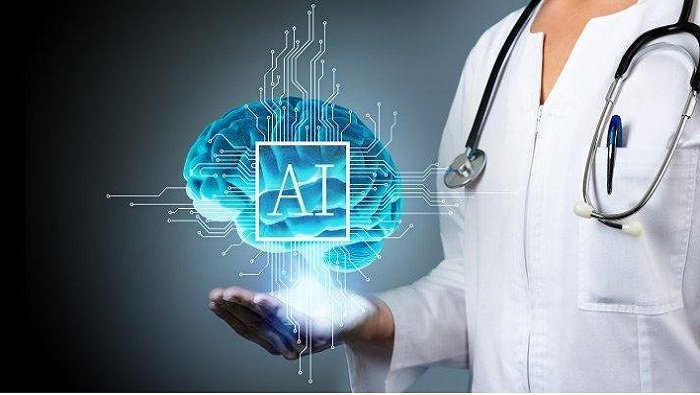
Welcome to our blog series dedicated to exploring the transformative impact of artificial intelligence (AI) in healthcare. In this series, we will delve into the myriad applications of AI across various facets of healthcare, including diagnosis, treatment, and patient care. Join us as we unravel the potential of AI to revolutionize the way we approach healthcare delivery and improve patient outcomes.

Understanding AI in Healthcare

Artificial intelligence encompasses a wide range of technologies that enable machines to perform tasks that traditionally require human intelligence. In the context of healthcare, AI algorithms can analyze vast amounts of medical data, identify patterns, and make predictions with a level of accuracy and efficiency that surpasses human capabilities. From image recognition to natural language processing, AI is transforming every aspect of healthcare delivery, offering new insights and opportunities for innovation.

Diagnosis: Enhancing Accuracy and Efficiency

One of the most promising applications of AI in healthcare is in the field of diagnosis. AI-powered diagnostic tools can analyze medical images, such as X-rays, MRIs, and CT scans, to detect abnormalities and assist healthcare providers in making accurate diagnoses. By leveraging machine learning algorithms trained on large datasets of medical images, AI can help radiologists and other clinicians identify signs of disease earlier and with greater precision. This not only improves patient outcomes but also streamlines the diagnostic process, reducing wait times and healthcare costs.

Treatment: Personalizing Care and Improving Outcomes

In addition to diagnosis, AI is also revolutionizing treatment approaches in healthcare. AI algorithms can analyze patient data, including medical history, genetic information, and treatment responses, to develop personalized treatment plans tailored to individual patients. This allows healthcare providers to deliver more targeted and effective interventions, optimizing outcomes while minimizing side effects and complications. Furthermore, AI-powered predictive analytics can forecast disease progression and treatment response, enabling proactive and preventive care strategies that improve long-term health outcomes.

Patient Care: Empowering Providers and Enhancing Engagement

Beyond diagnosis and treatment, AI is also transforming patient care delivery and management. Virtual health assistants powered by AI can provide patients with personalized health recommendations, answer medical queries, and assist with medication management. Additionally, AI-powered chatbots and virtual nurses can triage patient inquiries, schedule appointments, and provide round-the-clock support, improving access to care and enhancing patient satisfaction. Moreover, AI-driven predictive analytics can identify patients at high risk of adverse outcomes, allowing healthcare providers to intervene early and prevent avoidable hospitalizations or complications.

Challenges and Opportunities

While the potential of AI in healthcare is vast, it is not without its challenges. Concerns around data privacy, security, and algorithm bias must be addressed to ensure the responsible and ethical use of AI in healthcare. Additionally, the integration of AI into existing healthcare systems requires significant investment in infrastructure, training, and workforce development. However, despite these challenges, the opportunities presented by AI in healthcare are immense. By harnessing the power of AI, we can revolutionize healthcare delivery, improve patient outcomes, and transform the future of medicine.

Conclusion

In conclusion, artificial intelligence is poised to revolutionize healthcare delivery in unprecedented ways. From diagnosis and treatment to patient care and management, AI offers new opportunities for innovation and improvement across every aspect of healthcare. As we continue to explore the potential of AI in healthcare, it is essential to prioritize ethical considerations, promote transparency, and ensure that AI technologies are deployed responsibly and equitably. Together, let us embark on this journey to harness the power of AI and transform the future of healthcare for the better.

Demystifying Blockchain: The Technology Revolutionizing Industries

Blockchain in Governance: Transforming Public Services

In today’s digital age, where data is often referred to as the new oil, the importance of secure, transparent, and immutable record-keeping cannot be overstated. Enter blockchain technology – a revolutionary concept that has the potential to reshape industries and redefine the way we transact and interact online.

Understanding Blockchain

At its core, blockchain is a decentralized ledger technology that enables the recording of transactions across a distributed network of computers. Unlike traditional centralized systems where a single entity controls the data, blockchain distributes data across a network of nodes, making it transparent, tamper-proof, and resistant to censorship.

How Does Blockchain Work?

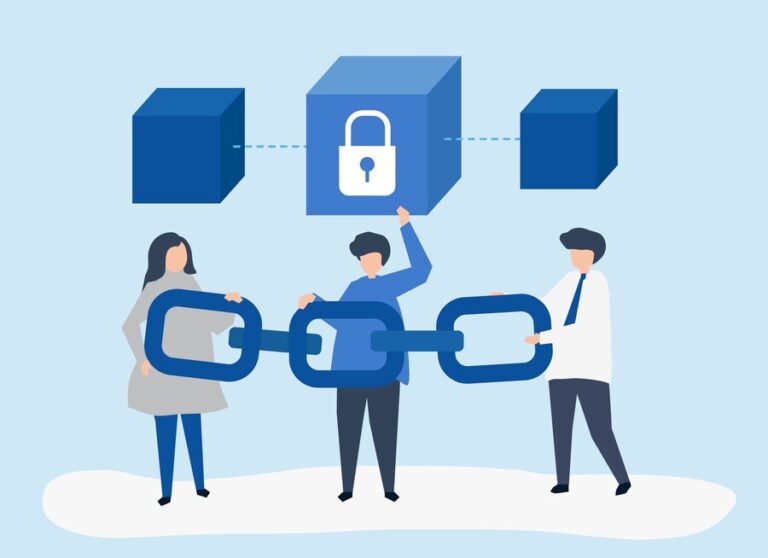
Blockchain operates on a system of blocks, each containing a list of transactions. These blocks are linked together in a chronological order, forming a chain – hence the name blockchain.

When a transaction occurs, it is broadcasted to the network of nodes. These nodes then validate the transaction using consensus mechanisms such as Proof of Work (PoW) or Proof of Stake (PoS). Once validated, the transaction is added to a block and appended to the blockchain.

Crucially, each block contains a cryptographic hash of the previous block, creating a chain that is resistant to tampering. Any attempt to alter the data in a block would require altering all subsequent blocks in the chain, making it virtually impossible to manipulate the data without detection.

Key Features of Blockchain

  1. Decentralization: Blockchain operates on a peer-to-peer network, eliminating the need for intermediaries and centralized authorities. This decentralization increases transparency, reduces the risk of fraud, and enhances security.
  2. Transparency: Every transaction recorded on the blockchain is visible to all participants in the network. This transparency fosters trust among users and enables greater accountability.
  3. Immutability: Once a transaction is recorded on the blockchain, it cannot be altered or deleted. This immutability ensures the integrity of the data and prevents fraud or tampering.
  4. Security: Blockchain uses cryptographic techniques to secure transactions and protect sensitive information. The decentralized nature of the network also makes it resilient to cyber attacks and data breaches.

Applications of Blockchain

Blockchain technology has a wide range of applications across various industries, including:

  • Finance: Blockchain is perhaps most famous for its role in cryptocurrencies like Bitcoin and Ethereum. However, its impact extends beyond digital currencies to areas such as cross-border payments, smart contracts, and decentralized finance (DeFi).
  • Supply Chain Management: Blockchain can improve transparency and traceability in supply chains by recording every stage of the production and distribution process. This can help verify the authenticity of products, prevent counterfeiting, and streamline logistics.
  • Healthcare: Blockchain can securely store and share medical records, ensuring patient privacy and data integrity. It can also facilitate the tracking of pharmaceuticals and medical devices, reducing the risk of counterfeit drugs and improving patient safety.
  • Identity Management: Blockchain-based identity systems can provide individuals with greater control over their personal data and streamline processes such as identity verification and authentication.
  • Real Estate: Blockchain can streamline property transactions by digitizing titles and automating the transfer of ownership. This can reduce fraud, eliminate the need for intermediaries, and make real estate markets more accessible.

Challenges and Future Outlook

While blockchain holds immense promise, it is not without its challenges. Scalability, interoperability, regulatory uncertainty, and energy consumption are among the key issues that need to be addressed for blockchain to realize its full potential.

However, despite these challenges, the future looks bright for blockchain technology. As organizations and industries increasingly recognize its transformative potential, we can expect to see continued innovation and adoption in the years to come. From financial services to healthcare, supply chain management to identity verification, blockchain is poised to revolutionize the way we do business and interact online.

In conclusion, blockchain represents a paradigm shift in the way we think about data, trust, and decentralized systems. By providing a secure, transparent, and immutable record-keeping mechanism, blockchain has the power to reshape industries, empower individuals, and drive innovation in the digital economy.

Smart Contracts: Automating Transactions with Blockchain

Smart contracts are self-executing contracts with the terms of the agreement directly written into code. They run on the blockchain and automatically execute when predefined conditions are met. This eliminates the need for intermediaries and facilitates trustless transactions.

Smart contracts have numerous applications across various industries:

  • Finance: Smart contracts can automate complex financial agreements such as loans, derivatives, and insurance policies. They can automatically execute payments, verify compliance with regulations, and reduce the risk of fraud.
  • Supply Chain Management: Smart contracts can streamline supply chain processes by automating tasks such as payment settlements, inventory management, and order fulfillment. They can help reduce costs, increase efficiency, and improve transparency.
  • Real Estate: Smart contracts can revolutionize the real estate industry by automating property transactions. They can facilitate the transfer of property titles, escrow payments, and rental agreements, making real estate transactions faster, cheaper, and more secure.
  • Legal: Smart contracts can automate legal agreements such as wills, contracts, and intellectual property rights. They can ensure that parties comply with the terms of the agreement and enforceable without the need for intermediaries or legal disputes.
  • Healthcare: Smart contracts can streamline healthcare processes such as medical billing, insurance claims processing, and patient consent forms. They can automate payments, verify the authenticity of medical records, and ensure compliance with privacy regulations.

Smart contracts have the potential to revolutionize the way we do business by automating transactions, reducing costs, and increasing efficiency. However, challenges such as scalability, security, and legal compliance need to be addressed to realize their full potential. Nevertheless, smart contracts represent a significant step forward in the evolution of blockchain technology and its applications across various industries.

Empowering the Future: Exploring Progressive Web Apps (PWAs) and Their Impact on Web Development and User Experienc

Unleashing the Power of Web Apps: The Rise of Progressive Web Apps (PWAs)

In the ever-evolving landscape of technology, web applications have undergone a significant transformation over the years. From basic static websites to dynamic, feature-rich platforms, the journey has been remarkable. One of the latest advancements in this realm is Progressive Web Apps (PWAs), a game-changer in the world of web development. In this blog, we’ll dive into what PWAs are, their benefits, and why they’re shaping the future of the web.

Understanding Progressive Web Apps (PWAs)

Progressive Web Apps are web applications that leverage modern web technologies to provide a user experience similar to native mobile apps. They are built using standard web technologies such as HTML, CSS, and JavaScript but come with additional capabilities that enhance the user experience. These capabilities include offline functionality, push notifications, and device hardware access, among others.

PWAs are designed to be responsive, reliable, and engaging, delivering seamless experiences across different devices and platforms. They load quickly even on slow or unreliable networks, making them accessible to users regardless of their internet connection.

The Benefits of PWAs

  1. Improved Performance: PWAs are designed to be fast and efficient, providing a smooth user experience. They employ techniques like service workers to cache content and assets, enabling offline access and reducing load times.
  2. Enhanced User Experience: With features like push notifications and full-screen mode, PWAs offer a native app-like experience to users. They can be installed directly from the browser, eliminating the need for app store downloads and updates.
  3. Increased Reach: PWAs are platform-agnostic, meaning they can run on any device with a compatible web browser. This broadens the reach of the application, allowing it to reach a larger audience without the need for separate development efforts for different platforms.
  4. Cost-Effectiveness: Building and maintaining a single codebase for PWAs reduces development costs compared to native app development. Updates can be deployed instantly without going through app store approval processes.
  5. SEO Friendly: PWAs are discoverable by search engines, allowing them to be indexed and ranked like traditional websites. This improves visibility and helps drive organic traffic to the application.

    Examples of Successful PWAs

    Several companies have embraced PWAs and witnessed significant benefits. Some notable examples include:

    1. Twitter Lite: Twitter developed a PWA called Twitter Lite, which offers a fast and lightweight version of its platform for users with limited connectivity or older devices.
    2. Starbucks: Starbucks’ PWA allows customers to browse the menu, place orders, and make payments directly from their mobile devices. The PWA provides a seamless experience, both online and offline, enhancing convenience for users.
    3. Pinterest: Pinterest rebuilt its mobile web experience as a PWA, resulting in a 44% increase in user engagement and a 40% increase in time spent on the site. The PWA loads quickly and offers core features like offline saving and push notifications.

The Future of Web Development

As technology continues to evolve, Progressive Web Apps are poised to play a significant role in the future of web development. Their ability to combine the best of web and mobile experiences makes them a compelling choice for businesses looking to engage users across different platforms.

With advancements in web technologies and increased adoption by developers and businesses alike, PWAs are set to become the standard for building fast, reliable, and engaging web applications. Whether you’re a developer looking to build the next generation of web apps or a business aiming to enhance your online presence, embracing PWAs can unlock a world of opportunities in the digital realm.

Progressive Web Apps (PWAs) are revolutionizing the digital landscape, seamlessly bridging the gap between traditional websites and native mobile applications. With their ability to deliver fast, engaging experiences across various devices and network conditions, PWAs have emerged as a game-changer for both users and developers alike. Through a combination of features such as offline functionality, push notifications, and responsive design, PWAs offer unparalleled benefits, including improved performance, increased user engagement, and reduced development costs. As companies embrace PWAs, they are witnessing tangible results, from higher conversion rates to enhanced user satisfaction. In this dynamic ecosystem, understanding the technical intricacies, optimizing for SEO, and prioritizing user experience are crucial for success. As we navigate the ever-evolving digital landscape, PWAs stand as a beacon of innovation, empowering businesses to thrive in the mobile-first world.

Best Web Browsers For Android And iOS Users In 2024

0

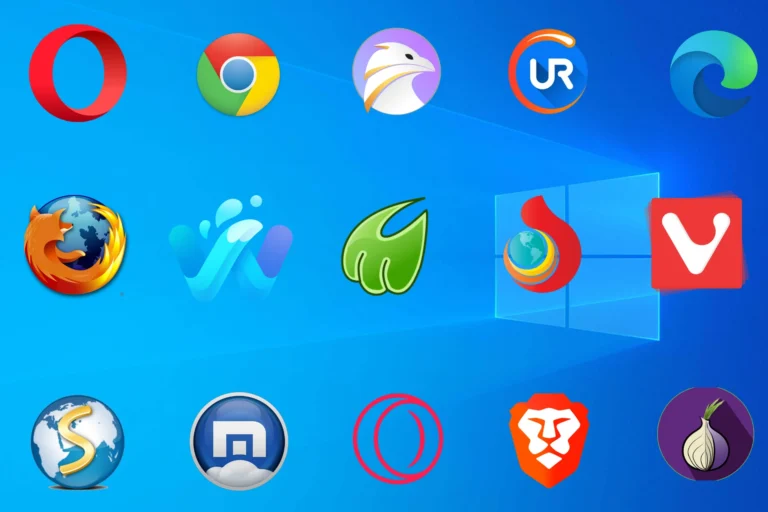
In today’s digital age, where privacy and security are paramount concerns, choosing the right web browser for your Android or iOS device is crucial. With cyber threats becoming more sophisticated, it’s essential to use browsers that prioritize user safety. In this blog post, we’ll explore the safest web browsers for Android and iOS users in 2024, focusing on their security features and performance.

What Makes a Web Browser Safe?

Before diving into the specific browsers, let’s understand what features contribute to a browser’s safety:

  1. Encryption: Secure web browsers use HTTPS protocol, encrypting data exchanged between the user’s device and websites.
  2. Privacy Settings: Browsers that offer robust privacy settings, such as ad and tracker blockers, protect users from invasive tracking and profiling.
  3. Regular Updates: Timely updates ensure that browsers are equipped with the latest security patches and features to combat emerging threats.
  4. Security Audits: Browsers that undergo regular security audits and follow industry standards prioritize user safety.

Safest Web Browsers for Android

Google Chrome

Google Chrome remains a top choice for Android users due to its strong security features. It includes Google’s Safe Browsing technology, which warns users of potentially harmful websites. Chrome also benefits from regular updates, keeping users protected against new threats.

Mozilla Firefox

Firefox is known for its commitment to privacy and security. It offers features like Enhanced Tracking Protection, which blocks trackers and prevents websites from collecting user data without consent. Firefox’s open-source nature also allows for community-driven security enhancements.

Brave Browser

Brave Browser focuses heavily on privacy and security. It blocks ads and trackers by default, offering users a more private browsing experience. Its built-in HTTPS Everywhere feature ensures secure connections to websites whenever possible.

Safest Web Browsers for iOS

Safari

Safari comes pre-installed on iOS devices and is optimized for performance and security. It includes Intelligent Tracking Prevention, which prevents cross-site tracking, enhancing user privacy. Safari also supports encrypted DNS to protect against DNS-based attacks.

DuckDuckGo Privacy Browser

DuckDuckGo’s Privacy Browser prioritizes user privacy by blocking trackers and providing private search capabilities. It doesn’t track or store user data, making it a safe choice for iOS users concerned about privacy.

Firefox Focus

Firefox Focus is designed for privacy-conscious users. It automatically blocks trackers and erases browsing history upon exit, ensuring a clean and secure browsing session. Its minimalist interface and focus on privacy make it a popular choice among iOS users.

Conclusion

Choosing a safe web browser is essential for protecting your personal information and maintaining a secure online experience. Whether you’re using an Android or iOS device, consider browsers that prioritize encryption, privacy settings, regular updates, and security audits. By opting for browsers like Google Chrome, Mozilla Firefox, Safari, Brave Browser, DuckDuckGo Privacy Browser, or Firefox Focus, you can browse the web with confidence in 2024 and beyond. Stay safe online!

JBL: Elevating Sound Experiences

0

Introduction

JBL headphones have become a staple in the audio industry, known for their quality sound and innovative features. From professional studios to everyday consumers, JBL’s range of headphones caters to a wide audience, delivering an exceptional listening experience.

The Legacy of JBL

Founded in 1946 by James Bullough Lansing, JBL has a long history of audio excellence. The brand has been associated with many ‘firsts’ in the industry, including some of the earliest loudspeakers. Today, JBL continues this tradition with its headphones, which are a testament to the company’s commitment to superior sound.

The Sound of Innovation

JBL headphones are renowned for their Pure Bass sound, which delivers a powerful, deep bass that’s both precise and impressive. This signature sound is a result of JBL’s continuous research and development in audio technology.

A Range for Every Listener

Whether you’re a professional DJ, a fitness enthusiast, or just someone who appreciates good music, JBL has a headphone for you. The lineup includes:

  • Over-Ear Headphones: For immersive sound and comfort.
  • In-Ear Headphones: For convenience and portability.
  • Wireless Headphones: For freedom from wires.
  • Noise-Cancelling Headphones: For blocking out the world.
  • Sports Headphones: For stability during workouts.

Leading with Technology

JBL headphones are packed with features that enhance the user experience. Some of these include:

  • Adaptive Noise Cancelling: To enjoy music without interruptions.
  • Ambient Aware: To stay alert to your surroundings.
  • Voice Assistant Integration: For hands-free control.
  • Waterproof and Sweatproof: For durability in all conditions.

Sustainability and Responsibility

JBL is not just about sound; it’s also about sustainability. The company is moving towards more eco-friendly packaging and product designs, ensuring that the music you love doesn’t come at the expense of the planet.


The Future Sounds Bright

As we look to the future, JBL is poised to continue its legacy of innovation. With advancements in wireless technology and smart features, JBL headphones will continue to set the bar for what’s possible in personal audio.

Conclusion

JBL headphones offer a blend of legendary sound, cutting-edge technology, and sustainable practices. They provide an unmatched audio experience that resonates with the listener’s lifestyle, making JBL a leader in the headphone market.

Quantum Computing Unveiled: A Journey into the Future of Computation

0

Introduction

In the realm of technology, there are milestones that mark significant shifts in our understanding and capabilities. Quantum computing stands as one such milestone, offering a glimpse into the future of computation that surpasses the limitations of classical computing. In this article, we embark on a journey into the quantum realm, exploring the principles, potential, and promise of quantum computing.

Understanding the Principles of Quantum Computing

At the heart of quantum computing lies the enigmatic world of quantum mechanics. Unlike classical bits, which are binary in nature (either 0 or 1), quantum bits or qubits can exist in multiple states simultaneously, thanks to the phenomenon known as superposition. This unique property enables quantum computers to process vast amounts of information in parallel, unlocking exponential computational power. Additionally, entanglement, another hallmark of quantum mechanics, allows qubits to be interconnected in such a way that the state of one qubit is dependent on the state of another, regardless of the distance between them. These principles form the foundation of quantum computing, paving the way for revolutionary advancements in computation.

Advantages of Quantum Computing over Classical Computing

Quantum computing offers several advantages over classical computing, revolutionizing the landscape of computational tasks. One of the most notable advantages is the ability to solve certain problems exponentially faster than classical algorithms. For instance, quantum algorithms such as Shor’s algorithm have the potential to factor large numbers exponentially faster than the best-known classical algorithms, posing a significant threat to classical cryptographic systems. Moreover, quantum computers excel at solving optimization problems and simulating quantum systems, opening up new frontiers in fields such as drug discovery, materials science, and quantum chemistry. The computational power of quantum computing promises to redefine what is possible in terms of problem-solving and data analysis.

Exploring Real-World Applications

The potential applications of quantum computing span across a wide range of industries, from finance and cybersecurity to healthcare and logistics. In finance, quantum computing holds the promise of revolutionizing portfolio optimization, risk management, and algorithmic trading. Similarly, in cybersecurity, quantum-resistant encryption methods are being developed to safeguard sensitive information from the threat of quantum attacks. In healthcare, quantum computing is driving advancements in drug discovery, molecular modeling, and personalized medicine, offering new insights into complex biological systems. From optimizing supply chain logistics to revolutionizing machine learning and artificial intelligence, the impact of quantum computing on real-world problems is profound and far-reaching.

Current Research Advancements

Quantum computing is a rapidly evolving field, with ongoing research efforts focused on overcoming technical challenges and scaling up quantum systems. Researchers are exploring various approaches to building more stable and scalable quantum hardware, including superconducting qubits, trapped ions, and topological qubits. Additionally, advancements in quantum error correction and fault-tolerance are crucial for building reliable and robust quantum computers. On the software side, researchers are developing new quantum algorithms and quantum programming languages to harness the full potential of quantum hardware. From quantum annealing and adiabatic quantum computing to quantum machine learning and quantum cryptography, the research landscape in quantum computing is vibrant and dynamic.

Challenges and Future Outlook

Despite the tremendous progress made in quantum computing, significant challenges remain on the path to realizing its full potential. Decoherence, the process by which quantum information is lost due to interactions with the environment, remains a major obstacle to building large-scale, error-corrected quantum computers. Additionally, achieving fault-tolerant quantum computation requires overcoming technical barriers such as qubit coherence times, gate fidelity, and quantum error correction. Scalability is another key challenge, as the number of qubits and the complexity of quantum circuits continue to increase. However, despite these challenges, the future of quantum computing looks promising, with ongoing research efforts focused on addressing these obstacles and unlocking new possibilities in computation, communication, and beyond.

Conclusion

In conclusion, quantum computing represents a transformative leap forward in our quest to understand and harness the power of computation. From the mysterious realm of quantum mechanics emerge the building blocks of a new era in computing, where the boundaries of what is possible are redefined. As we continue to unravel the mysteries of the quantum world and push the limits of quantum technology, the future of computation holds limitless potential. Quantum computing unveils a journey into the unknown, where the only certainty is that the future of computation will be quantum.


The Evolution and Impact of Smart Watches

0

Introduction

In the last decade, smart watches have transitioned from niche gadgets to mainstream accessories. These wrist-worn devices offer a blend of fitness tracking, health monitoring, and mobile connectivity, revolutionizing how we interact with technology.

A Brief History of Smart Watches

The concept of a wristwatch that does more than tell time is not new. However, the modern smart watch, as we know it, began to take shape in the 2000s with advancements in technology allowing for miniaturization of components and wireless connectivity.

The Rise of Wearable Technology

Smart watches are at the forefront of the wearable technology revolution. They have become an integral part of the Internet of Things (IoT), providing a seamless connection between users and their smart devices.

Design and Functionality

Early smart watches were bulky and limited in functionality. Today, they boast sleek designs and a host of features such as touchscreens, voice commands, and customizable interfaces.

Health and Fitness Tracking

One of the most significant impacts of smart watches is in the realm of health and fitness. They monitor heart rate, track steps, and even measure sleep quality, encouraging users to lead healthier lifestyles.

Connectivity on the Go

Smart watches keep us connected without the need to pull out our smartphones. They display notifications, allow for quick replies to messages, and can even handle phone calls.

The Smart Watch Ecosystem

The success of smart watches has led to the development of a robust ecosystem. App developers create specialized applications while accessory makers design bands, chargers, and protective cases.

Market Leaders and Innovators

Companies like Apple, Samsung, and Fitbit are market leaders, each bringing their unique innovations to the table. Apple’s WatchOS and Samsung’s Tizen OS are prime examples of operating systems designed specifically for wearables.

Challenges and Limitations

Despite their popularity, smart watches face challenges such as battery life, privacy concerns, and device compatibility. Manufacturers continue to address these issues with each new generation.


The Future of Smart Watches

As technology advances, we can expect smart watches to become even more integrated into our daily lives. They will likely offer more advanced health monitoring and become increasingly independent from smartphones.

Conclusion

Smart watches have come a long way since their inception. They are no longer just timepieces but powerful tools that enhance our productivity, health, and connectivity. As they continue to evolve, the possibilities are endless.

How AI Could Revolutionize the Economy

0

The Rise of AI in Economic Transformation

In recent years, Artificial Intelligence (AI) has emerged as a disruptive force with the potential to revolutionize various sectors of the economy. From improving efficiency to enabling innovative products and services, AI’s impact is profound and far-reaching. In this blog post, we will explore how AI could potentially explode the economy, driving unprecedented growth and transformation.

AI-driven Automation and Productivity

One of the key ways AI could explode the economy is through automation and increased productivity. AI-powered systems can perform tasks with speed, accuracy, and scalability that surpass human capabilities. This leads to streamlined processes, reduced operational costs, and enhanced productivity across industries. For example, AI-driven robotics in manufacturing can optimize production lines, leading to higher output and improved competitiveness.

Enhanced Decision Making and Business Intelligence

AI algorithms excel at analyzing vast amounts of data to extract valuable insights. This capability empowers businesses to make data-driven decisions, optimize strategies, and identify new opportunities. By leveraging AI for business intelligence, organizations can gain a competitive edge, drive innovation, and fuel economic growth.

AI-enabled Innovation and New Business Models

AI’s ability to learn, adapt, and innovate is reshaping industries and giving rise to new business models. For instance, AI-powered recommendation engines are transforming e-commerce by personalizing customer experiences and driving sales. Similarly, AI in healthcare is revolutionizing diagnostics, treatment planning, and drug discovery, leading to improved outcomes and cost savings.

Job Creation and Skill Enhancement

Contrary to fears of job displacement, AI is creating new job opportunities and transforming existing roles. As AI automates routine tasks, it frees up human workers to focus on higher-value activities that require creativity, critical thinking, and emotional intelligence. Moreover, AI-driven technologies are driving demand for skilled professionals in areas such as data science, AI development, and cybersecurity.

Ethical and Regulatory Considerations

While AI offers immense potential for economic growth, it also raises ethical and regulatory challenges. Issues such as data privacy, algorithmic bias, and job displacement require careful consideration and proactive measures. Governments, businesses, and academia must collaborate to ensure responsible AI deployment that benefits society while mitigating risks.

Conclusion: Embracing the AI-powered Future

In conclusion, AI’s impact on the economy is multifaceted, promising unprecedented opportunities for growth, innovation, and prosperity. By embracing AI technologies responsibly, harnessing their potential for positive transformation, and addressing ethical concerns, we can pave the way for an AI-powered future that benefits individuals, businesses, and society as a whole.