Home Blog Page 21

Top 10 Reasons Solar Panels Rock Your Roof

0

You’re thinking of going solar and want to know if it’s worth investing in panels on your roof. Well, buckle up because we’re about to give you the top 10 reasons solar power rocks – and how it can save you some serious green. From slashing your utility bills to increasing your home value, solar has many benefits beyond helping the environment. Keep reading to learn why solar panels can be one of the smartest upgrades you make to your home this year. With incentives bringing down costs, it’s now easier than ever to start soaking up the free power of the sun. We’ll walk through everything you need to know to join the solar revolution!

Solar Power Pays for Itself With Energy Savings

Installing solar panels on your roof means big energy savings. Once the initial cost of the system is paid off, that free solar energy is all yours. Most solar panel systems pay for themselves in 10-15 years through avoided utility bills. After that, it’s decades of free, green energy and serious savings.

Reduced Energy Bills

With solar panels generating your electricity, you slash your energy bills by not having to buy as much from the utility company. The average U.S. household pays $1,500 a year for energy, while energy costs for a solar-powered home are virtually zero after the payback period. That’s real money back in your pocket every month.

Tax Incentives and Rebates

Federal and state solar incentives like tax credits and rebates lower the overall cost of a solar system and shorten the payback period. The federal solar investment tax credit (ITC) allows you to deduct 26% of the cost of installing a residential or commercial solar energy system from your federal taxes. Many states and utilities also offer additional rebates and incentives for going solar.

Added Home Value

Homes with solar panels often sell for 3-4% more than comparable homes without panels. And why wouldn’t they? New homeowners get to reap all the benefits of lower energy bills and energy independence. When it’s time to sell, the value added to your home will far exceed the cost of the solar panel system. Your return on investment just keeps on giving.
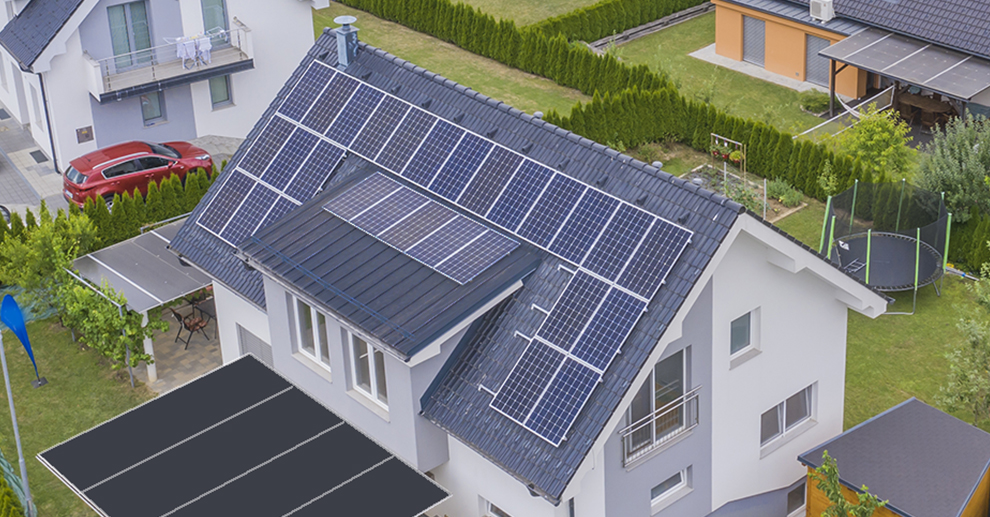
How does Solar System Increases the Value of Homes?

Solar Increases Your Home’s Value and Appeal

Adding solar panels to your roof is one of the best ways to boost your home’s value and appeal to buyers. Energy cost savings with utility bills rising every year, and solar panels that generate free electricity are hugely appealing. Buyers will love the opportunity to slash or even eliminate their power bills.

Environmentally, for eco-conscious buyers, solar panels show your home is on the cutting edge of sustainability. You’re doing your part to reduce fossil fuel dependence and carbon emissions. Increased demand. As solar energy becomes more mainstream, homes with existing solar panel systems will be in high demand. Early adopters of residential solar can often get a premium price when selling their homes.

Low maintenance. Unlike a pool or intricate landscaping, solar panels require almost no maintenance. Once installed, they silently go to work generating free power for decades. Home buyers will appreciate their hassle-free nature.

With so many benefits to home value and appeal, solar panels on your roof are a win-win. They provide energy cost savings and environmental benefits right now and position your home for maximum value and fastest sale time down the road. When the time comes to sell, you’ll be glad you invested in solar and the planet.
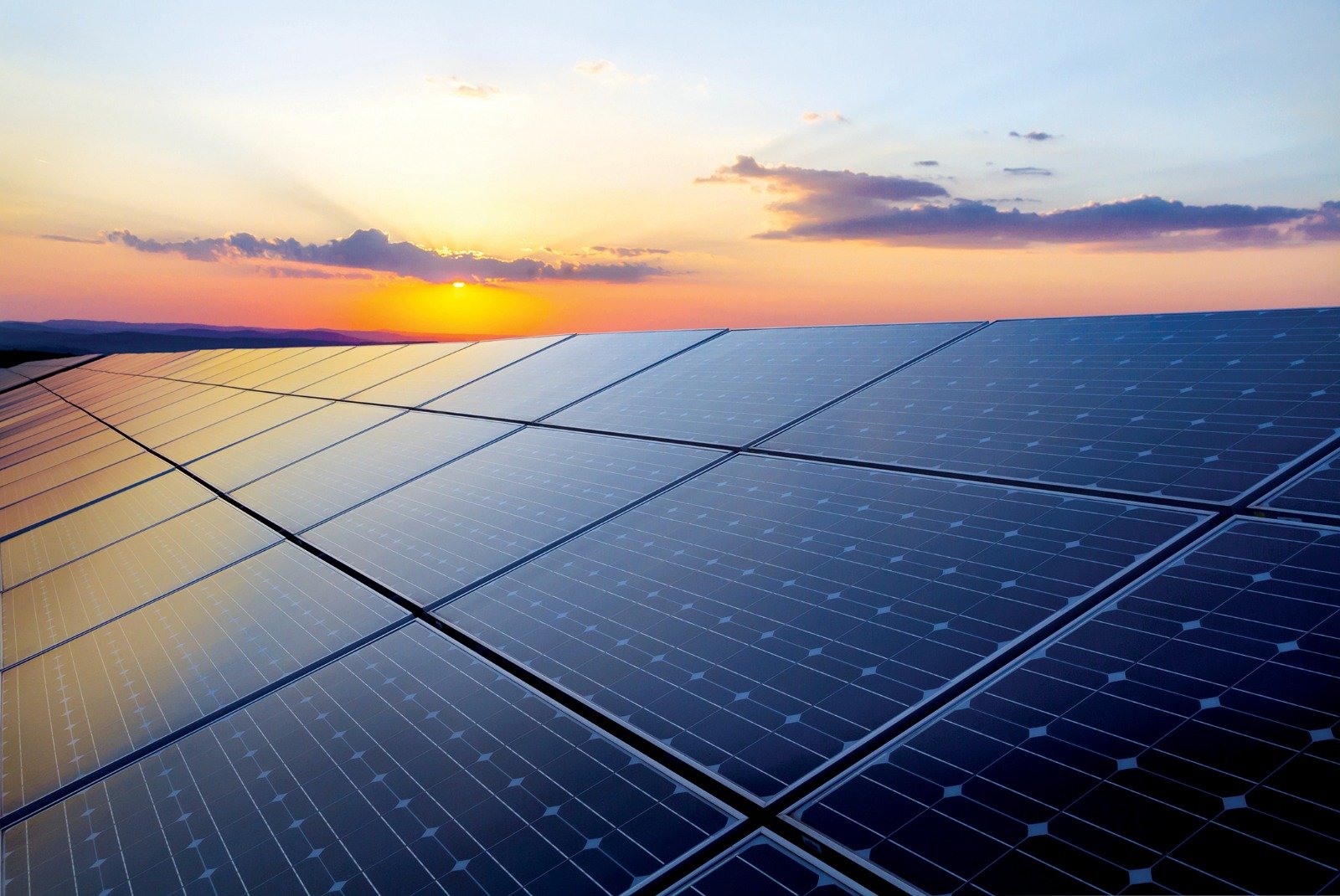
Understanding The Cost of Solar Panels Installation: Is It Worth The  Investment? - Solar Panel Installation Company in Mumbai | Visol India

Top 10 Reasons Residential Solar Panels Are an Excellent Investment

Adding solar panels to your home is one of the best investments you can make. Here are the top 10 reasons why:

Save Money

Residential solar panels can significantly lower your electricity bills by generating your power. The average homeowner can save $1000s per year on utility costs.

Environmentally Friendly

By using solar energy instead of fossil fuels, you’ll reduce your carbon footprint and help fight climate change. Solar is a renewable energy source that’s better for the planet.

Energy Security

With your solar power system, you’ll gain more control over your energy usage and costs. You’ll be less dependent on utility companies and fossil fuels.

Increase Home Value

Solar panels can increase your home’s value by up to $15,000 according to the National Renewable Energy Laboratory. When it’s time to sell, homebuyers will appreciate a house powered by clean, free energy.

Low Maintenance

Once solar panels are installed, they require little maintenance to operate. They have no moving parts, so they’re very durable and long-lasting.

Tax Incentives

The federal solar tax credit allows you to deduct 30% of the cost of installing a residential solar system from your federal taxes. Many states offer additional rebates and incentives for going solar.

Long Lifespan

The average residential solar panel has a lifespan of 25-30 years, and many come with 10-25 year power output warranties. They’ll continue generating free electricity and savings for decades after you’ve paid off the initial installation costs.

Reduce Pollution

By using solar energy instead of oil, coal, and gas, the average residential solar system can prevent up to 116 tons of carbon emissions over its lifetime.

Energy Independence

With a solar system, you’ll have a reliable power source in the event of electric grid outages. You’ll have a backup energy supply to keep critical loads running during an emergency.

Low Cost of Entry

The cost of solar has declined by over 70% in the last decade. It’s now more affordable than ever for homeowners to go solar and start reaping the benefits right away.

Conclusion

So there you have it! Ten compelling reasons why solar panels can Brilliantmart upgrade for your home. With the potential to slash your electric bills, reduce your carbon footprint, increase your property value, and more, solar is looking brighter every day. And as prices keep falling while efficiency keeps climbing, there’s never been a better time to join the solar revolution. Whether you want energy independence, a greener lifestyle, or just some extra cash in your pocket, solar delivers. So go ahead – give your roof an eco-friendly makeover and start harnessing the free power of the sun. Your wallet and the planet will thank you!
Installing Solar Panels on Your Roof Made Simple

0

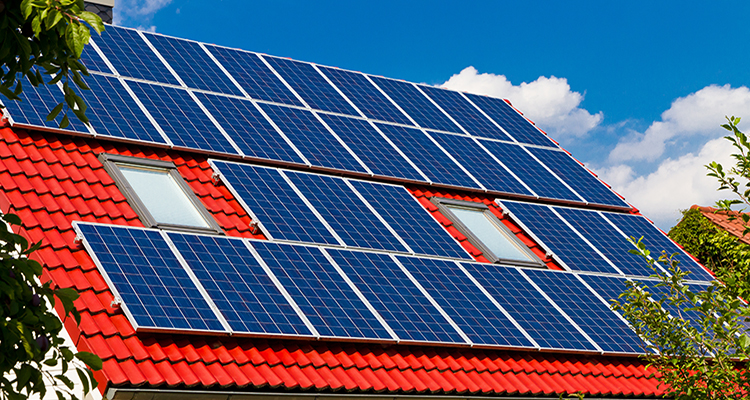
You’re ready to go solar – awesome! Installing solar panels on your roof can feel like a daunting project, but it doesn’t have to be. With a bit of planning and the right guidance, you’ll be generating clean energy from the sun in no time. In this comprehensive guide, we’ll walk you through the full process step-by-step, from assessing your roof’s solar potential to connecting your system to the grid. You’ll learn how to choose the right equipment, find qualified installers, understand permits and incentives, and even monitor your system’s performance. We’ve got all the practical tips and expertise you need to successfully go solar on your home. So get ready to join the solar revolution – let’s get you from roof to grid!

Assessing Your Roof’s Solar Potential

Sun Exposure

The first thing to consider is how much sun your roof gets. If your roof faces south and gets full sun exposure throughout the day, you’ve hit the jackpot. East or west-facing roofs can still work great, you may just need a few more panels to compensate for slightly less ideal sunlight. Unfortunately, north-facing roofs typically don’t get enough direct light to generate much energy.

Roof Condition and Pitch

Your roof’s condition and pitch also matter. Asphalt or concrete tile roofs are ideal, while roofs needing repair or replacement in the next few years probably aren’t the best candidates. A roof pitch between 15 to 40 degrees is optimal for allowing panels to capture lots of light while still being walkable for installation and maintenance. Very flat or sloped roofs can be trickier to work with.

Space Available

Finally, assess how much open space you have on your roof for panels. The average residential system needs at least 200 to 500 square feet of free area to generate a meaningful amount of electricity. Measure your roof’s dimensions to determine the maximum size system it can accommodate based on your average sunlight and the panel dimensions of your chosen brand.

With the right roof and ample space, you’ll be well on your way to harnessing the sun’s energy and reducing your dependence on the grid. But first, you’ll want to evaluate the costs and benefits to find a solar solution that makes the most sense for your needs and budget.

How to choose the right solar panels: a guide - Milk the Sun Blog

Choosing the Right Solar Panels and Inverter

Choosing the right solar panels and inverter is crucial to an efficient system. For panels, consider monocrystalline or polycrystalline silicon which are most efficient and space-effective. Monocrystalline panels are a bit more expensive but produce more power. Either type will work great, so go with what fits your budget and space.

For the inverter, choose between microinverters, power optimizers, or string inverters. Microinverters and power optimizers are more expensive but provide panel-level monitoring and control. String inverters are most affordable but if one panel malfunctions, it impacts the whole string. Evaluate your needs and how much detail you want in monitoring each panel.

Once you decide on panels and inverters, determine how many you need based on your average electricity usage and available roof space. More panels mean more power but also higher costs, so find the right balance for your home. You’ll also want enough panels to meet future needs in case you add electric vehicles or appliances.

Installation of panels and inverters is best left to professionals. They can properly assess your roof, handle permits, and safely install the system. Do your research to find reputable local installers. They should be certified by organizations like the North American Board of Certified Energy Practitioners.

With the right equipment and professional installation, your solar panels can provide clean energy for your home for decades. While the initial costs may seem high, incentives and energy bill savings help maximize your return on investment in the long run. And you’ll be doing your part for the environment by using renewable solar energy.

Why You Should Not Install Solar Yourself: It's Very Dangerous - Part 4 |  LGCY Power

Step-by-Step Guide to Installing Solar Panels on Your Roof

Once you’ve decided to make the switch to solar energy, it’s time to install the panels on your roof. The process may seem complicated, but by following these steps, you’ll be harnessing the sun’s power in no time.

First, you’ll need to determine the number of panels needed based on your average energy usage. More panels mean more energy, but also higher costs. Find the right balance for your needs. Next, decide on the type of panels – crystalline silicon panels are affordable and efficient, while thin-film panels are more flexible.

Planning the layout

Work with your installer to design a layout that maximizes energy production. They’ll evaluate factors like roof orientation, shading, and panel size to determine the optimal placement. The layout must allow adequate space for walkways and provide easy access to all panels for any needed repairs or maintenance.

Installing railings and panels

Railings are installed to securely attach the panels to your roof. Your installer will place rails parallel to the roof’s surface, and then attach the panels. Wiring is then connected to combine the panels into an array. The array is connected to an inverter, which converts the DC power to AC for use in your home.

Connecting to your electrical system

The final step is connecting the inverter to your home’s main electrical panel to provide power. Once complete, your solar panels will start producing clean energy and reducing your dependence on the electrical grid. Enjoy your lower energy bills and newfound energy independence, all thanks to the power of the sun!

With some planning and the help of a professional solar installer, you’ll be well on your way to harnessing solar energy in no time. The initial investment in a residential solar system may seem high, but incentives and energy savings over the lifetime of the panels help improve the return on your investment.

Conclusion

So there you have it – a step-by-step guide to installing solar panels on your roof and powering your home with the sun. With a bit of planning, the right gear, and some elbow grease, you can tap into clean, renewable energy and reduce your dependence on the grid. Just take it slow, follow safety precautions, and don’t be afraid to call in a professional if you need a hand. Going solar is a big project but rewarding when you flip that switch and watch your electric meter spin backward for the first time. Power to the people! You got this.

Solar Cooking: Harness the Unbeatable Benefits Today!

0

Ever felt like you are trapped in the kitchen slaving away at the stove when the sun is shining outside, almost mocking you? What if we told you there is a way to cook up a storm without heating up the house or paying those energy bills? Introducing solar cooking – the game-changing way to cook for free using just the power of the sun rays. Sceptical? We get it. But solar cooking is the real deal. In this article, we will show you how to harness the unbeatable benefits of solar power to cook up a feast. From the basics of how it works to the scrumptious recipes you can make, you will be a solar cooking convert in no time. Stick with us as we convince you this is not some hippie fad but a smart, sustainable way to cook the future, today.

The Many Benefits of Solar Cooking

Environmentally Friendly

Using the sunrays to cook your food is about as eco-friendly as it gets. No fossil fuels are burned, so there are no emissions or pollution. Solar cooking is a sustainable way to prepare your meals without taxing the environment.

Cost Effective

After the initial investment in a solar cooker, the energy source is free … you cannot beat that! Solar cooking can help lower your energy bills and reduce dependence on expensive cooking fuels.

Nutrient Retention

Gentle solar cooking helps retain more nutrients in food compared to other cooking methods. Because food is cooked at lower temperatures, there is less breakdown of vitamins and minerals. Solar cooked food also tends to require little or no water, so more nutrients are preserved.

Simple and Safe

Solar cookers are easy to use and there is no risk of burns, fires or other injuries associated with cooking over an open flame or hot surface. The temperatures reached are not high enough to cause burns. Solar cooking also requires little supervision or adjustment once the cooker is set up.

Versatile

A wide range of foods can be prepared with solar cookers like stews, rice, vegetables, meat, baked goods and more. With the right techniques and recipes, solar cookers can be used to boil, bake, roast and steam. Many people are surprised by the variety of meals that can be made using the power of the sun.

With all these benefits, solar cooking deserves a place in every eco-conscious kitchen. Harnessing this free and renewable energy source is a great way to help the environment while preparing delicious home-cooked meals. Why not give it a try?

Solar Cooker at best price in Vadodara by ARS Glass Tech Pvt. Ltd. | ID:  2852417895712

How to Start Solar Cooking Today

Gather the Necessary Equipment

To start solar cooking, you will need a few basic pieces of gear. First, a solar cooker… there are many affordable models to choose from. Next, pots and pans … a Dutch oven works great for most recipes. Do not forget oven mitts, and possibly a lid or foil to help retain heat.

Choose a Sunny Spot

Find a place outside that gets lots of direct sunlight throughout the day with no shade. Your yard, balcony or deck should work perfectly. Make sure the area is flat and place your solar cooker on concrete or another hard, heat-resistant surface.

Focus the Rays

For the best results, position your solar cooker so that it directly faces the sun. You may need to adjust the angle a few times as the sun moves across the sky. Many models come with built-in reflectors to help concentrate the solar energy onto your pots and pans.

Prepare Your Ingredients

Solar cooking works best for foods that can stand up to long, slow cooking like soups, stews, beans, grains, and baked goods. Have your ingredients prepared and at room temperature before placing them in the solar cooker. Do not forget seasonings!

Keep an Eye on the Weather

Check your local forecast to ensure a sunny day with little chance of clouds. While solar cookers can work in partly cloudy conditions, extended periods of overcast weather will prevent proper cooking. You will also want to avoid very windy days which can affect the internal temperature.

With the right equipment and ingredients and a bright, sunny day, you will be harnessing the power of the sun to make delicious, wholesome meals in no time. The benefits of solar cooking are huge, so take advantage of this free, renewable energy source today!

GoSun Fusion Hybrid Solar Oven - Wild Oak Trail

Frequently Asked Questions About Solar Cooking’s Unbeatable Benefits

Is solar cooking safe?

Absolutely. Solar cookers harness solar energy to cook food, so there are no worries about fire hazards or dangerous fumes. As long as you take normal cooking safety precautions, solar cooking is very safe.

How long does it take to cook a meal?

Cooking times will vary depending on factors like the intensity of the sun and the types of foods you are cooking. In general, you can expect solar cooking to take 1 to 3 hours for a complete meal. The key is planning … start cooking earlier in the day so your food will be ready when you want to eat!

Can I cook anything in a solar cooker?

You can cook various foods in a solar cooker, including meats, grains, soups, stews, and baked goods. However, solar cooking works best for foods that can handle longer cooking times at lower, gentle heat, such as:

  • Rice, beans, and grains
  • Root vegetables like potatoes, carrots and beets
  • Tough meats like chicken, beef, and pork
  • Eggs
  • Dried fruits and nuts

Avoid delicate foods like fish or leafy greens which can overcook easily. With some experimentation, you will get familiar with which recipes and ingredients work well for solar cooking.

Do I need special cookware?

You can use most of the same pots, pans and utensils that you use for conventional cooking. However, darker, non-reflective surfaces absorb heat better for solar cooking. Cast iron Dutch ovens, graniteware, CorningWare and ceramic or stoneware dishes all work great. Avoid shiny materials like aluminium and stainless steel which will not heat as efficiently.

With all these benefits, solar cooking is worth harnessing. Once you start, you will be cooking with the power of the sun in no time!

Conclusion

Here you go in a nutshell, solar cooking can be a game changer for you and your family. With all the benefits, from saving money and energy to improving health and reducing your carbon footprint, it is a no-brainer eco-friendly way to cook up some tasty grub. The initial investment will pay for itself in no time, and you will be helping save the planet in the process. What is not to love? Do your research, find the right solar cooker and start harnessing the power of the sun. Your wallet, taste buds and Mother Nature will thank you. Give it a go,  you have got nothing to lose and a world of flavour to gain!