Home Blog Page 4

Can Students Start a Shopify Business with Low Budget? Here’s the Real Truth

0

Let’s be honest, being a student and thinking about starting a business sounds exciting… but also a little scary. You’ve got limited money, classes to manage, and a hundred doubts in your head.

So the big question is: can students start a Shopify business with a low budget?

Short answer? Yes, absolutely.
Long answer? It’s possible, but only if you’re smart about how you start.

Let’s break it down in a way that actually makes sense for student life.

Can Students Start a Shopify Business with Low Budget?

Yes, students can start a Shopify business with a low budget but the key is keeping things simple and strategic.

You don’t need lakhs of rupees or a full team. In fact, many successful Shopify stores today started with just a small investment and a lot of consistency.

Your main expenses will usually include:

  • Shopify’s monthly plan
  • A domain name
  • Basic marketing (optional at the start)

And that’s it.

If you avoid unnecessary spending like expensive themes or too many apps, you can keep your costs surprisingly low.

Think of it like starting small and building as you grow, instead of going all in from day one.

Smart Ways to Start Without Spending Too Much

When you’re on a budget, every decision matters.

One of the easiest ways to start is dropshipping. You don’t need to buy inventory, you only purchase a product when someone places an order. This reduces your upfront cost significantly.

Another option is selling digital products like e-books, templates, or guides. These cost almost nothing to produce and can be sold repeatedly.

If you’re into fashion (which, let’s be real, a lot of students are), you can even start small like selling curated outfits or limited pieces instead of a full collection.

The idea is simple: don’t try to build a huge brand overnight. Start with what you have.

Balancing Studies and Your Shopify Store

This is probably your biggest concern and it’s valid.

The good news is Shopify doesn’t demand your full day.

Once your store is set up, most tasks like managing orders or updating products, take just a few minutes daily.

You can:

  • Work on your store during weekends
  • Create content in batches
  • Schedule posts in advance

It’s all about managing your time smartly.

Think of your Shopify store as a side hustle, not a full-time job (at least in the beginning).

Real Challenges You Should Be Prepared For

Let’s not sugarcoat things because starting a business isn’t always smooth.

You might not get sales immediately. You might feel discouraged when your posts don’t perform well.

And sometimes, you’ll question if it’s even worth it.

But that’s part of the journey.

Every successful store you see today went through the same phase which is slow starts, trial and error, learning what works.

The difference is, they didn’t quit.

Tips to Make It Work on a Student Budget

If you want to make your Shopify business work without spending too much, here are a few simple tips.

Focus on free marketing. Instagram reels, Pinterest, and word-of-mouth can bring traffic without costing anything.

Keep your store minimal. A clean, simple design is better than an overcomplicated one.

Choose one niche. Don’t try to sell everything, pick something specific and build around it.

And most importantly, be consistent. Even small efforts daily can lead to big results over time.

Why Shopify Is a Good Option for Students

Shopify is beginner-friendly, which makes it perfect for students.

You don’t need coding skills, and everything is designed to be easy to use. From adding products to tracking orders, the platform keeps things simple.

Plus, it grows with you. You can start small and scale up as your business improves.

It’s like having a business tool that adapts to your level.

Summary

So, can students start a Shopify business with low budget? Yes, they absolutely can.

With smart choices, low-cost strategies like dropshipping or digital products, and consistent effort, students can build a real online business without spending a lot.

It’s not about having a big budget but it’s about starting with what you have and growing step by step.

FAQs

1. How much money do students need to start Shopify?
You can start with a small budget covering Shopify’s plan and a domain, usually quite affordable.

2. Is Shopify good for beginners with no experience?
Yes, Shopify is very beginner-friendly and doesn’t require technical skills.

3. Can I run a Shopify store while studying?
Yes, many students manage their stores alongside college by dedicating a few hours weekly.

4. What is the best low-budget business idea on Shopify?
Dropshipping and digital products are among the best low-cost options.

5. How long does it take to make money on Shopify?
It varies, but with consistent effort and smart marketing, students can start seeing results within weeks or months.
Is Shopify Good for Clothing Brands in 2026? Here’s the Real Answer

0

If you’ve been dreaming about launching your own clothing brand, maybe a streetwear label, a minimal basics line, or even a curated college wardrobe, you’ve probably wondered: is Shopify actually the right platform for this?

It’s a fair question. Because building a fashion brand isn’t just about selling clothes but it’s about creating a vibe, telling a story, and connecting with people.

So let’s talk honestly about is Shopify good for clothing brands in 2026, and whether it’s the right fit for you.

Is Shopify Good for Clothing Brands in 2026?

Short answer? Yes, Shopify is one of the best platforms for clothing brands in 2026.

But let’s not stop there. The real reason it works so well is because it combines ease of use with powerful selling tools.
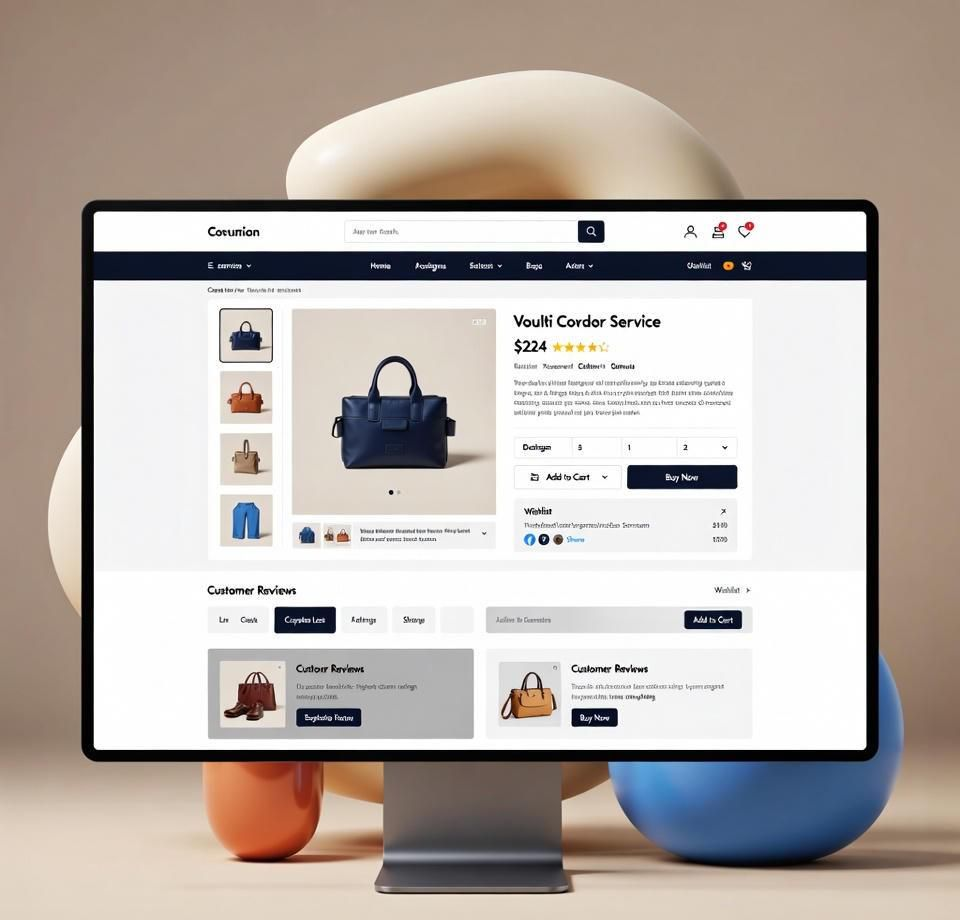
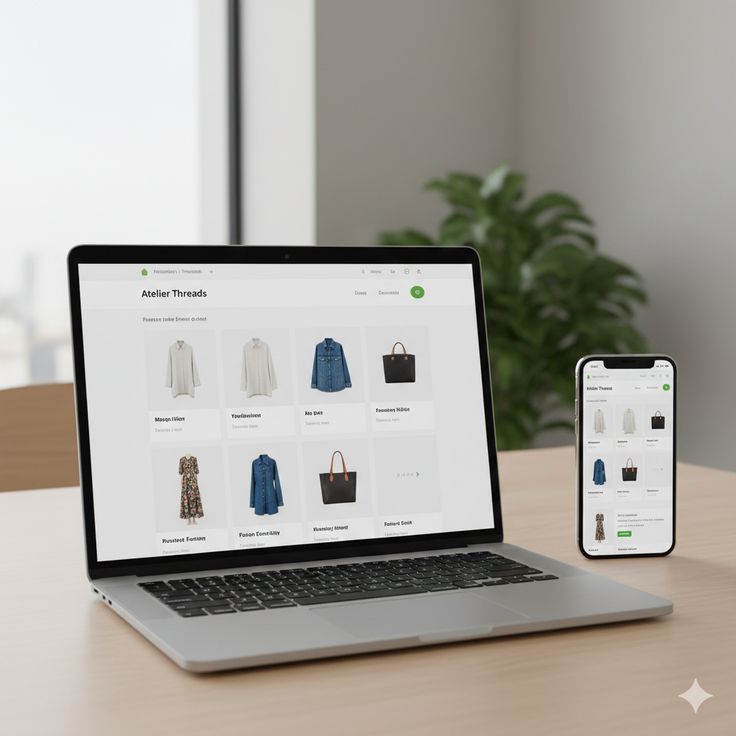
You don’t need a tech team or coding skills to build a stylish, professional-looking store. At the same time, you get features that actually help you grow like inventory tracking, size variants, and smooth checkout experiences.

For clothing brands, that balance is everything.

Imagine launching your first collection – uploading your products, setting sizes, adding aesthetic images and seeing your store come together in just a few hours. That’s what Shopify makes possible.

Why Clothing Brands Love Shopify

Let’s get into what makes Shopify such a strong choice specifically for fashion.

First, it handles product variants really well. If you’re selling a t-shirt in multiple sizes and colors, Shopify makes it easy to organize everything without confusion.

Second, the design templates are built for visual storytelling. And in fashion, visuals are everything. Clean layouts, large images, and smooth navigation help your products stand out.

Third, Shopify connects easily with platforms like Instagram. So if you’re posting reels or outfit videos, you can directly link your store and turn viewers into buyers.

It basically fits perfectly with how fashion brands grow in 2026 through content, aesthetics, and community.

How Shopify Supports Your Brand Growth

Starting a clothing brand is one thing. Growing it is another.

Shopify gives you tools that evolve with you.

In the beginning, you might only have 5 to 10 products. But as your brand grows, you can:

  • Add new collections
  • Track best-selling items
  • Offer discounts or limited drops

There are also built-in analytics that show you what’s working like which products people are clicking on or buying the most.

And if you want to scale further, you can integrate apps for marketing, email campaigns, and even influencer collaborations.

It’s like starting small but having room to grow big.

Real Challenges You Should Know About

Let’s keep it real, Shopify isn’t perfect.

There are monthly costs, which can feel like a commitment when you’re just starting out.

Also, since many brands use Shopify, competition is high. You need to stand out with your designs, branding, and content.

And while it’s easy to use, success doesn’t come automatically. You still need to put effort into marketing, especially through social media.

But honestly? These challenges exist on any platform. Shopify just makes the process smoother.

Tips to Succeed with a Clothing Brand on Shopify

If you’re serious about making your brand work, here are a few simple but powerful tips.

Focus on your identity. Don’t just sell clothes but sell a vibe. Whether it’s minimal, bold, or street-style, make it clear.

Invest in visuals. Good lighting, clean backgrounds, and aesthetic shoots can completely change how your products are perceived.

Use content to your advantage. Outfit videos, styling reels, and “day in my life” posts can naturally promote your brand.

And most importantly, start small. You don’t need a huge collection to begin. Even a few strong pieces can make an impact.

Who Should Use Shopify for Clothing Brands?

Shopify is perfect if you:

  • Are starting your first clothing brand
  • Want a simple, all-in-one platform
  • Plan to grow through Instagram or content

It’s especially great for students and young entrepreneurs who want to turn their fashion ideas into something real without getting stuck in technical details.

Summary

So, is Shopify good for clothing brands in 2026? Absolutely. It offers the perfect mix of simplicity, flexibility, and powerful tools that fashion brands need to succeed.

From managing sizes and collections to connecting with customers through social media, Shopify makes it easier to build and grow your clothing brand.

The platform gives you the foundation but your creativity, consistency, and branding are what truly bring it to life.

FAQs

1. Is Shopify good for small clothing brands?
Yes, it’s one of the best platforms for small clothing brands due to its ease of use and scalability.

2. Can I sell custom clothing on Shopify?
Yes, you can sell custom designs, prints, and made-to-order clothing.

3. Do I need a lot of money to start a clothing brand on Shopify?
No, you can start with a small collection and grow gradually.

4. How do I promote my clothing brand on Shopify?
You can use Instagram, reels, and influencer collaborations to drive traffic to your store.

5. Is Shopify better than other platforms for fashion brands?
For beginners and growing brands, Shopify is often considered one of the best choices.

How to Use Shopify for Dropshipping in 2026: A Beginner-Friendly Guide

0

If you’ve ever wanted to start an online business without worrying about inventory, packaging, or shipping, then dropshipping might just be your thing.

And when it comes to getting started easily, Shopify is one of the most popular platforms out there. But the real question is, how to use Shopify for dropshipping in 2026, especially if you’re a complete beginner?

Don’t worry, I’ve got you. Let’s walk through it like we’re figuring this out together.

How to Use Shopify for Dropshipping in 2026

Think of dropshipping as running a store without physically owning the products.

Here’s how it works in simple terms: you create an online store using Shopify, list products from a supplier, and when someone places an order, the supplier ships it directly to the customer. You never touch the product.

In 2026, this process will become even smoother thanks to automation tools and AI integrations.

Your role? Focus on:

  • Choosing the right products
  • Building your brand
  • Marketing your store

Shopify handles your store, and your supplier handles the logistics.

Step-by-Step Setup for Your Dropshipping Store

Let’s break it down into easy steps so you can actually take action.

1. Create Your Shopify Store

Start by signing up on Shopify and setting up your store basics like name, theme, and layout.

Don’t overthink design at this stage. Keep it clean, simple, and easy to navigate.

2. Choose a Dropshipping Supplier

This is where your products come from.

In 2026, there are many apps integrated with Shopify that connect you to suppliers. These apps let you import products directly into your store in just a few clicks.

Look for suppliers that offer:

  • Fast shipping
  • Good product reviews
  • Reliable customer service

Because your reputation depends on them.

3. Add Products to Your Store

Once you’ve chosen your products, it’s time to list them.

But here’s where many beginners go wrong, they copy-paste product descriptions.

Instead, rewrite them in your own voice. Make them relatable and appealing.

For example, instead of:
“Portable LED lamp”

Try:
“A compact LED lamp perfect for cozy nights or late study sessions.”

That small change can make a big difference.

4. Set Pricing and Profit Margins

You’ll buy products from suppliers at a lower price and sell them at a higher price.

The difference? That’s your profit.

In 2026, most beginners aim for a margin that covers:

  • Product cost
  • Shipping
  • Marketing

And still leaves you with a decent profit.

5. Set Up Payments and Shipping

Just like any Shopify store, you’ll need to:

  • Enable payment options (cards, UPI, etc.)
  • Set shipping rules (free or paid)

Many dropshippers offer free shipping and include the cost in the product price – it feels more attractive to customers.

6. Launch and Start Marketing

This is where things get exciting.

Once your store is live, your focus shifts to getting traffic.

Use platforms like Instagram to create:

  • Product demos
  • Aesthetic videos
  • Problem-solving content

For example, if you’re selling a skincare tool, show before/after results or a simple routine.

Content is what drives your first sales.

Best Products to Dropship in 2026

Not all products work well for dropshipping.

The best ones usually:

  • Solve a problem
  • Feel trendy or aesthetic
  • Are easy to ship

Some popular categories include fashion accessories, beauty tools, home decor, and lifestyle gadgets.

But remember, don’t just follow trends blindly. Find a product you can actually promote with confidence.

Common Mistakes Beginners Should Avoid

When learning how to use Shopify for dropshipping in 2026, it’s easy to fall into a few traps.

One big mistake is choosing random products without research. Just because something looks cool doesn’t mean it will sell.

Another is ignoring branding. Even in dropshipping, your store should feel like a real brand and not just a random collection of products.

And lastly, don’t rely only on luck. Consistent content and marketing are key.

Tips to Succeed Faster with Dropshipping

Keep your store simple and focused. One niche is better than trying to sell everything.

Test products instead of overcommitting. Dropshipping allows flexibility, use that to your advantage.

And most importantly – be patient. Your first sale might not happen instantly, but once it does, it builds momentum.

Summary

So, how to use Shopify for dropshipping in 2026? It’s all about setting up a store, choosing the right supplier, listing products, and focusing on marketing while the supplier handles delivery.

It’s one of the easiest ways to start an online business with low investment. But success comes from smart choices, consistency, and building a brand and not just listing products.

FAQs

1. Is dropshipping still profitable in 2026?
Yes, if done correctly with the right products and marketing strategy, it can still be profitable.

2. Do I need inventory for Shopify dropshipping?
No, the supplier handles inventory and shipping.

3. How much money do I need to start dropshipping?
You can start with a small budget for Shopify and basic marketing.

4. Can beginners do dropshipping on Shopify?
Yes, Shopify is beginner-friendly and widely used for dropshipping.

5. How long does it take to get sales in dropshipping?
It varies, but with consistent effort and good marketing, you can start seeing results within weeks.

How to Make Your First Sale on Shopify Fast 

0

Launching your Shopify store is exciting… but let’s be honest, the real thrill is getting that first sale notification.

That tiny “cha-ching” moment? It hits differently.

If you’ve been refreshing your dashboard wondering when it’ll happen, you’re not alone. Every successful store owner has been there. The good news is, you don’t need thousands of followers or a huge budget to make it happen.

Let’s talk about how to make your first sale on Shopify fast, in a way that actually works in 2026.

How to Make Your First Sale on Shopify Fast

Here’s the truth: your first sale isn’t about luck, it’s about clarity and action.

Instead of trying to do everything at once, focus on a few key things that create momentum quickly.

Start with your product. Ask yourself why would someone buy this right now? Your product should either solve a problem or make someone feel something (confident, stylish, relaxed, etc.).

Next, make sure your store looks trustworthy. Clean design, clear product photos, and simple descriptions go a long way. If your store feels confusing or unfinished, people will leave even if they like your product.

And finally, drive traffic. No visitors = no sales. Even the best product won’t sell if no one sees it.

Create an Offer People Can’t Ignore

If you want fast results, you need urgency.

Instead of just listing your product, give people a reason to buy now.

For example:

  • “Limited stock – only 10 pieces left”
  • “10% off for the first 24 hours”
  • “Free shipping on your first order”

These small triggers can push someone from “I’ll think about it” to “I’m buying this.”

Think about your own shopping habits, you’re more likely to buy when there’s a deal or a sense of urgency.

Use Instagram & Reels to Drive Your First Traffic

In 2026, organic content is still one of the fastest ways to get attention especially if you’re targeting Gen Z.

You don’t need fancy production. Just use your phone and create simple, relatable content.

If you’re selling fashion, try:

  • Outfit styling videos
  • “Get ready with me” reels
  • Before/after transformations

If you’re selling products like candles or self-care items, show the vibe i.e. cozy setups, aesthetic shots, real usage.

The goal is to make people feel something, not just see the product.

And don’t forget to add your store link in bio and mention it clearly in captions.

Leverage Your Inner Circle First

This is something most beginners ignore but it works.

Your first customers are often people you already know.

Share your store with:

  • Friends
  • Family
  • College groups
  • WhatsApp contacts

You don’t need to “sell” aggressively, just let them know you’ve launched something.

Sometimes, your first sale comes from someone who simply wants to support you. And that first sale? It builds confidence and momentum.

Build Trust Before Expecting Sales

Here’s something important, people don’t buy from stores they don’t trust.

Make sure your store includes:

  • Clear product descriptions
  • Real-looking photos
  • Contact details
  • Return or exchange information

Even small details like a clean homepage or a simple “About Us” section can make your store feel more legit.

Trust is what turns visitors into buyers.

Don’t Wait – Take Imperfect Action

A lot of beginners delay their first sale because they’re waiting for everything to be perfect.

Perfect logo. Perfect photos. Perfect website.

But here’s the reality, your first sale comes from starting, not from perfection.

Launch your store, post your content, share your link. Learn as you go.

Every small action increases your chances of that first “cha-ching.”

Summary

So, how to make your first sale on Shopify fast? Focus on the basics that actually matter i.e. your product, your offer, and your visibility.

Create urgency, use social media smartly, and don’t hesitate to start with your own network. Most importantly, take action even if things aren’t perfect.

Your first sale isn’t far away, it’s just waiting for you to show up consistently.

FAQs

1. How long does it take to get your first Shopify sale?
It can happen within days or take a few weeks, depending on your product and marketing efforts.

2. Do I need ads to get my first sale?
No, you can get your first sale through organic methods like Instagram and personal networks.

3. What is the fastest way to get sales on Shopify?
Creating urgency with offers and promoting your store through social media is one of the fastest ways.

4. Why is my Shopify store not getting sales?
It could be due to low traffic, lack of trust, or unclear product value.

5. Can beginners really make sales on Shopify?
Yes, many beginners get their first sale by taking consistent action and promoting their store effectively.

Shopify vs Wix: Which Platform Should You Choose? 

0

If you’re planning to build a website or start an online store, you’ve probably come across two popular platforms i.e. Shopify and Wix.

And honestly, choosing between them can feel like picking between style and functionality both look great, but they serve different purposes.

So let’s break it down in a simple, relatable way- so you can confidently decide what works for you.

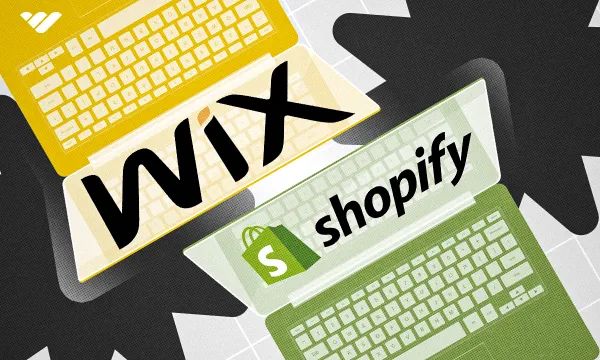
Shopify vs Wix: Which Platform Should You Choose?

Here’s the truth: Shopify and Wix are both powerful but they’re built for different goals.

Shopify is designed specifically for selling online, with advanced tools for managing products, payments, and orders.

Wix, on the other hand, is a website builder first, with eCommerce features added on top.

Think of it like this:

  • Shopify = a dedicated online store
  • Wix = a creative website with a shop option

So the real question becomes, what do you want to build?

Ease of Use: Which One Feels More Beginner-Friendly?

If you’re just starting out and want something super simple, Wix feels like a dream.

It has a drag-and-drop editor where you can literally place anything anywhere like images, text, buttons just like designing a Canva post.

Shopify is also beginner-friendly, but in a different way. Its dashboard is built around selling products, orders, payments so it might feel slightly structured at first.

Here’s the vibe:

  • Wix = creative freedom, very easy to design
  • Shopify = structured, easier for managing a business

If your goal is just to “build a nice website,” Wix wins.

If your goal is to “run a store,” Shopify feels smoother over time.

Design & Customization: Who Looks Better?

Wix is the clear winner when it comes to design flexibility.

It offers thousands of templates and lets you fully customize your site visually.

Shopify themes are more structured. You can still customize them, but not with the same level of creative freedom.

But here’s the catch, Shopify themes are optimized for sales and performance, not just looks.

So:

  • Wix = aesthetic freedom
  • Shopify = conversion-focused design

If you care about branding and visuals (like portfolios or blogs), Wix shines.
If you care about selling products efficiently, Shopify does better.

eCommerce Features: Who’s Better for Selling?

This is where Shopify clearly takes the lead.

Shopify is built for eCommerce from the ground up. It offers:

  • Advanced inventory management
  • Multi-channel selling (Instagram, marketplaces, etc.)
  • Powerful analytics and automation

Wix does support online selling but it’s more basic and better suited for smaller stores.

In fact, Shopify is widely recognized as the stronger platform for serious online stores and scaling businesses.

So if your goal is to grow a real brand or business, Shopify is the safer choice.

Pricing: Which One Is More Budget-Friendly?

At first glance, Wix looks cheaper.

It even offers a free plan (without eCommerce), and its paid plans are slightly more affordable upfront.

Shopify starts at a higher monthly cost and may include extra charges like apps or transaction fees.

But here’s the reality:

  • Wix = lower starting cost
  • Shopify = better value for serious sellers

As your business grows, Shopify’s features often justify the price.

Which One Should You Choose in 2026?

Let’s make this super simple.

Choose Shopify if:

  • You want to start an online store
  • Selling is your main goal
  • You plan to scale your business

Choose Wix if:

  • You want a personal website, blog, or portfolio
  • Design and aesthetics matter most
  • You’re selling only a few products

A Real-Life Example

Imagine you’re starting a fashion page.

If you want:

  • A stylish website with blogs, lookbooks, and maybe a few products → Wix is perfect

But if you want:

  • A full-fledged online store with collections, payments, and shipping → Shopify is the better choice

Summary

So, Shopify vs Wix: which platform should you choose?

It all comes down to your goal.

Shopify is best for building and scaling an online store, while Wix is ideal for creating beautiful websites with light eCommerce features.

In 2026, most beginners choose Wix for simplicity but switch to Shopify when they get serious about selling.

FAQs

1. Is Wix better than Shopify for beginners?
Wix is easier for design and basic websites, but Shopify is better for beginners who want to sell online.

2. Can I build an online store on Wix?
Yes, but its eCommerce features are more limited compared to Shopify.

3. Which platform is cheaper, Shopify or Wix?
Wix is generally cheaper upfront, but Shopify offers more advanced tools for growing businesses.

4. Can I switch from Wix to Shopify later?
Yes, many users start with Wix and migrate to Shopify as their business grows.

5. Which platform is best in 2026?
There’s no single “best” – Shopify is best for eCommerce, while Wix is best for design-focused websites.

Shopify vs WooCommerce: Which Is Better for Beginners? (2026 Guide)

0

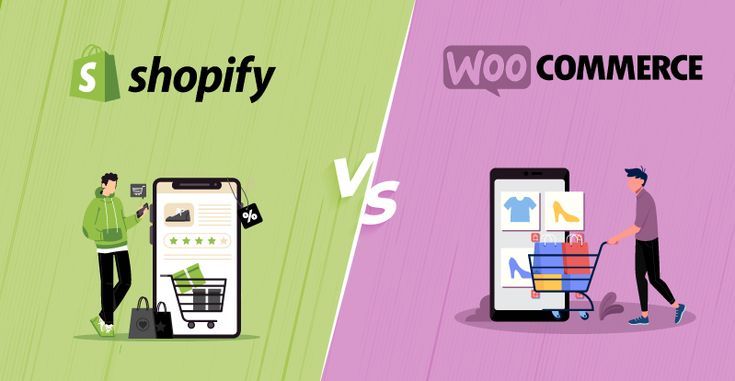
If you’re planning to start an online store, chances are you’ve come across two big names: Shopify and WooCommerce. And honestly, choosing between them can feel confusing like picking between two equally good outfits but not knowing which one fits you better.

So let’s simplify it. No tech overload, no complicated comparisons – just a real, beginner-friendly breakdown to help you decide.

Shopify vs WooCommerce: Which Is Better for Beginners?

At a basic level, both Shopify and WooCommerce help you build an online store. But they work very differently.

Shopify is like a ready-to-move-in apartment. Everything is set up from hosting, security, payments and you just walk in and start decorating your space.

WooCommerce, on the other hand, is like building your own house. You get full control, but you also have to handle everything from hosting, setup, maintenance, and updates.

For beginners, this difference matters a lot.

Shopify is designed for people with zero technical knowledge. It guides you step-by-step, and you can launch a store in hours.

WooCommerce gives you more flexibility, but it comes with a steeper learning curve and requires more setup time.

Ease of Use: Which One Feels Simpler?

Let’s be real – if you’re just starting out, you don’t want to spend days figuring out hosting and plugins.

Shopify wins here.

It has a clean dashboard, guided setup, and everything built-in. You don’t need to install anything separately. Even adding products feels intuitive and beginner-friendly.

WooCommerce, however, requires you to:

  • Set up WordPress
  • Buy hosting
  • Install plugins
  • Manage updates

That’s not impossible but it can feel overwhelming if you’re new.

Even online communities agree with this. One Reddit user put it simply:

“If you just want to sell something, Shopify gets out of your way.”

Cost Comparison: Which Is More Affordable?

Now let’s talk about money because this is where things get interesting.

Shopify has a fixed monthly cost. You pay for a plan, and most essentials are included i.e. hosting, security, and support.

WooCommerce is technically free, but not really.

You’ll still need to pay for:

  • Hosting
  • Domain
  • Premium plugins
  • Themes

At first, WooCommerce can feel cheaper. But as your store grows, costs can add up especially with plugins and maintenance.

So:

  • Shopify = predictable pricing
  • WooCommerce = flexible but variable costs

Customization & Flexibility: Who Wins?

If you love full control and customization, WooCommerce is powerful.

Because it’s open-source, you can modify almost anything, from design to functionality.

Shopify, on the other hand, is more structured. You can customize your store using themes and apps, but you’re still working within Shopify’s system.

So think of it like this:

  • WooCommerce = creative freedom
  • Shopify = simplicity and structure

Which One Should You Choose in 2026?

Here’s the honest, no-confusion answer.

Choose Shopify if:

  • You’re a complete beginner
  • You want to launch quickly
  • You don’t want to deal with technical setup
  • You prefer an all-in-one solution

Choose WooCommerce if:

  • You already use WordPress
  • You want full control over your store
  • You’re comfortable with tech (or willing to learn)

Most beginners today lean toward Shopify because it removes the stress of setup and lets you focus on actually selling.

A Simple Real-Life Example

Let’s say you’re a college student starting a small fashion brand.

With Shopify, you can:

  • Set up your store in a day
  • Add products
  • Start selling immediately

With WooCommerce, you’ll spend time:

  • Setting up WordPress
  • Configuring plugins
  • Troubleshooting issues

Both paths work but one is clearly smoother for beginners.

Summary

So, Shopify vs WooCommerce: which is better for beginners?

If you want simplicity, speed, and zero technical stress – Shopify is the better choice.

If you want flexibility, control, and don’t mind the learning curve – WooCommerce can be powerful.

In 2026, most beginners choose Shopify because it helps them start faster and focus on growing their business instead of managing the backend.

FAQs

1. Is Shopify easier than WooCommerce?
Yes, Shopify is much easier for beginners because it handles hosting, security, and setup for you.

2. Is WooCommerce cheaper than Shopify?
It can be initially, but costs can increase with hosting, plugins, and maintenance.

3. Do I need coding skills for WooCommerce?
Not necessarily, but basic technical knowledge helps a lot.

4. Can I switch from WooCommerce to Shopify later?
Yes, many businesses switch as they grow or want a simpler system.

5. Which platform is better for beginners in 2026?
Shopify is generally better for beginners due to its ease of use and all-in-one setup.

How Does Shopify Make Money for Small Businesses?

0

If you’ve ever explored Shopify or thought about starting your own online store, one question naturally pops up: “Okay, but how does Shopify actually make money… and more importantly, how does it help me make money?”

It’s a fair question. After all, if you’re investing your time and effort into building a business, you want to understand how the platform works behind the scenes.

So let’s break it down in the simplest, most relatable way with no confusing terms, just real clarity.

How Does Shopify Make Money for Small Businesses?

At its heart, Shopify is a business partner that helps you achieve your goals and, in return, helps them achieve theirs through a few key methods.

First, there’s the subscription fee. When you open a store, you need to subscribe to a monthly plan that suits your business. It’s like paying a monthly rent for your online store. The more features you need, the higher your plan.

Second, Shopify also makes money from transaction fees. When you make a sale, a small percentage of that sale goes to Shopify. This is like a small cut that any online marketplace or payment service charges.

Third, there are add-ons and apps. Shopify also has a huge app store where you can add features to your online store. Some of these features are paid, and Shopify makes money from them.

Now, here’s the important part. Shopify only succeeds if you succeed. Their business model is designed to help small businesses, not compete against them.

How Shopify Helps You Earn Money

Let’s look at this from the opposite perspective because let’s be honest, that’s what really matters to you.

With Shopify, you get everything you need to actually make money online. It’s not just a website builder; it’s a whole business solution.

You can sell your products, accept payments, manage orders, and track performance – all in one place. This means less time spent messing around with technical stuff and more time spent building your brand.

For example, let’s say you create a small clothing brand. Someone sees your product on Instagram, clicks the link, and orders the item. Shopify handles the payment and updates the inventory, sending the customer a confirmation email.

This creates trust, and trust leads to more sales.

Real Ways Small Businesses Make Profit on Shopify

However, making money on Shopify is not simply about listing products; it is also about strategy.

One approach is to look at small businesses that began with a niche. This means that instead of selling everything, you sell something specific. For example, instead of “women’s clothing,” you sell “minimal college outfits” or “affordable streetwear.”

Another approach is through branding and storytelling. The truth is that people don’t simply buy products; they also buy how these products make them feel. A simple hoodie is now “your go-to comfort outfit for those late-night study sessions.”

Consistency is also key. This means that if you post regularly on social media and make your store better over time, you will make money.

Where Shopify Adds Value (Beyond Just Selling)

One of the greatest benefits of Shopify in 2026 is how easy it makes everything.

It can:

  • Process payments securely
  • Manage your inventory
  • Handle orders
  • Communicate with customers

This means you don’t need multiple tools or a team of people to run your business.

And now, Shopify also offers AI-based insights. It can tell you which products are doing well, when to run sales, and even how to improve your store.

It’s like having your own business assistant working behind the scenes.

Common Misunderstanding About Shopify Earnings

Let’s get one thing straight – Shopify doesn’t pay you directly.

You earn money through your customers. Shopify is just the medium through which the transaction is enabled.

So, if you are wondering how some Shopify stores are successful, while others are not, well, let me tell you, it has nothing to do with Shopify.

It has everything to do with how well the store is designed and marketed.

Tips to Maximize Your Earnings on Shopify

If you’re serious about making money, here are a few simple but effective tips.

Identify your niche. It’s much simpler to stand out if you’re not trying to sell to everybody.

Visuals. Product images and your store’s design can do wonders for building trust with your visitors.

Using social media. Sites like Instagram or reels can get you traffic for your store without having to spend too much on ads.

And above all, be patient. Your first few sales may not be immediate, but once you get going, it all feels pretty natural.

Summary

So, how does Shopify make money for small businesses? It earns through subscriptions, transaction fees, and apps while providing you with the tools to build and grow your online store.

For small businesses, Shopify acts as a foundation. It simplifies the technical side, so you can focus on what really matters i.e. your products, your brand, and your customers.

In 2026, it’s one of the easiest ways to turn an idea into a real, income-generating business.

FAQs

1. Does Shopify take a percentage of my sales?
Yes, Shopify may take a small transaction fee depending on your payment setup.

2. Can I make money on Shopify as a beginner?
Yes, many beginners start earning by selling niche products and promoting them effectively.

3. How long does it take to make money on Shopify?
It depends on your effort, product, and marketing. Some stores see sales quickly, while others take time.

4. Is Shopify profitable for small businesses?
Yes, if used correctly with the right strategy, Shopify can be very profitable.

5. Do I need a large budget to start earning on Shopify?
No, you can start small and scale your business as you grow.

What Can You Sell on Shopify? Full List for Beginners (2026 Guide)

0

If you’ve ever thought, “I want to start an online store… but what should I actually sell?” – well, you’re not alone. This is probably the largest question that newbies have.

The good news is that Shopify is extremely flexible. You don’t have to be locked into just one type of product. Once you understand what you can sell on Shopify? full list for beginners, you’ll see that there’s much more opportunity than you ever thought possible.

Let’s explore it together, like we’re having a cup of coffee and talking about your future store.

What Can You Sell on Shopify? Full List for Beginners

Let’s keep it simple and real. Shopify is an option through which you can sell almost anything.

Here is a simple guide to what you can sell:

You can sell physical products such as clothing, accessories, beauty products, home decor, and stationery. For example, if your passion is fashion, you can start selling online.

You can also sell digital products such as ebooks, templates, and design presets. These are really cool because you can sell them multiple times.

You can also sell services such as fashion, social media management, fitness, and much more. Shopify is an option through which you can sell your skills in an easy manner.

You can also opt for drop shipping. In this option, your supplier delivers the product to your customer. You don’t have to worry about anything. Just focus on your branding.

Popular Product Ideas That Actually Work in 2026

Now, let’s discuss what’s trending and what’s great for beginners.

Fashion, for example, is still a very popular niche. Consider items like oversized tees, co-ords, or minimalist basics, especially if you can add your own aesthetic twist.

Beauty and skincare are also very popular. Consider items like lip oils or skincare sets, especially if they’re personalized and aesthetic.

Home and lifestyle products are also trending. Consider items like candles, organizers, and home decor, especially if they’re Instagrammable.

Digital products are a hidden gem. As a student or a content creator, you can sell items like:

  • Notion templates
  • Instagram presets
  • Fashion styling guides

Choosing the Right Product for You

The truth is, not all trendy products are suitable for you.

Instead of going with the trend, consider what would work best with your personality.

Ask yourself:

  • What am I passionate about?
  • What would I love to talk about or promote every day?
  • What can I solve for someone?

For instance, if you love fashion (I’m guessing you do, considering you’re reading this), you could build a store selling outfits or essentials for college students.

When you’re passionate about your product, everything becomes easier, from marketing to creating content.

Physical vs Digital: What Should Beginners Start With?

This is a common dilemma.

Physical products are tangible and therefore feel “real.” They also require inventory, packaging, and shipping. If you enjoy building a brand and working with products, this could be an excellent opportunity.

With digital products, your risks are low. No inventory, no shipping. Just create and sell. They are ideal if you want to start small or “test the waters.”

There is no right or wrong answer. In fact, some highly successful stores feature both.

A Few Things You Should Avoid Selling

While Shopify is flexible, there are a few things you should be careful about:

Don’t sell restricted or permission-required items, such as medical items or copyrighted materials.

And don’t sell in super-saturated markets without a unique selling point. It’s not easy to sell “yet another black t-shirt,” but selling a beautifully designed and aesthetic black t-shirt might be different.

It’s all about differentiation.

Tips to Make Your Products Stand Out

No matter what you choose to sell, presentation is everything.

Focus on storytelling. Don’t just sell a product but sell a vibe, a lifestyle, a feeling.

For example, instead of saying:
“Beige hoodie available”

You could say:
“Your go-to cozy hoodie for slow mornings and coffee runs.”

That emotional connection is what makes people click “buy.”

Also, invest time in good visuals. Clean backgrounds, natural lighting, and consistent branding can instantly elevate your store.

Summary

So, what can you sell on Shopify? The answer is almost anything. From physical products like fashion and home decor to digital items and services, Shopify gives you endless possibilities.

The real secret isn’t just choosing a product, it’s choosing something that aligns with you and presenting it in a way that feels authentic and appealing.

Start simple, stay consistent, and don’t be afraid to experiment. Your perfect product idea might be just one step away.

FAQs

1. Can I sell handmade products on Shopify?
Yes, absolutely. Handmade items like candles, jewelry, and artwork are very popular on Shopify.

2. Is drop-shipping allowed on Shopify?
Yes, Shopify supports drop-shipping, making it easier to sell without managing inventory.

3. Can I sell digital products on Shopify?
Yes, you can sell e-books, templates, courses, and more using Shopify.

4. What is the easiest product to sell for beginners?
Digital products and simple physical items with low investment are usually easiest to start with.

5. Do I need a license to sell on Shopify?
It depends on your location and product type, but basic small businesses usually don’t need complex licenses to start.

How to Start an Online Store Using Shopify (Step-by-Step): Your Easy 2026 Guide

0

The idea of starting your own online store sounds pretty cool and exciting until the moment when you actually take your time and think to yourself: “Where do I even begin with this?”

Well, if that’s the place you’re in right now, don’t worry because you’re certainly not alone. The good news is that learning how to start an online store with Shopify (step by step) is now easier than it was in the past. In fact, in the year 2026, it’s actually possible to do this over the weekend.

Imagine this: You’re sitting in your favorite spot with your laptop and your cold cup of coffee, and you’re actually creating your own online store that people can shop at. Well, that’s pretty much what Shopify helps you do without having to be tech-savvy at all.

Step-by-Step: How to Start an Online Store Using Shopify

Let’s break it down into simple, doable steps so you don’t feel overwhelmed.

1. Sign Up and Set the Foundation

Your journey with Shopify begins with creating an account. When you sign up, Shopify will ask you a series of quick questions about your business. Don’t worry; it’s not complex. Just basic stuff.

This is your store space. Currently, it’s locked. But with your sign-up, your store space is now unlocked. It’s still blank, but it’s full of potential.

2. Choose Your Store Name and Theme

Your store name is your identity. Your store name is your brand. So, choose something that reflects your brand’s vibe. Does your brand have a minimalist, bold, or aesthetic vibe?

Next up is choosing your theme. Your theme determines how your store will look. Shopify provides a range of themes, both free and paid.

Imagine stepping into a beautifully designed boutique. That’s what your theme is for your store. A beautifully designed store is all about having a visually appealing design.

3. Add Your Products

Now it’s time to bring your store to life.

Upload your products with clear photos, catchy titles, and simple descriptions. Don’t overthink it, just describe your product like you would to a friend.

For example, instead of writing something too technical, say:
“This oversized shirt is perfect for college days when you want to look stylish without trying too hard.”

Make sure to include pricing, sizes (if applicable), and stock details.

4. Set Up Payments and Shipping

This is where your store becomes real.

Shopify gives you the opportunity to accept payments through credit cards, UPI, wallets, etc. All you have to do is connect your payment method of choice.

After that, you can choose your shipping settings. Think about:

  • Where you’d like to ship from
  • How you’d like to charge for shipping (free shipping or flat rate)

If you’re new to selling, you should keep things simple.

5. Customize Your Store Experience

Before you make your store live, you should take some time to make it feel personal.

Add to your store:

  • A homepage banner
  • An “About Us” section
  • Your contact information

This helps build trust with your customers. When they visit your store, they should feel like there’s a real person behind it.

6. Launch Your Store

This is the moment.

When you’re all set, you can make your store live by hitting publish. It might be a little scary, but it’s also super exciting.

Your store is now live for the entire world to see.

What Happens After You Launch?

This is where the real journey starts.

The first sale might take some time to come in, but don’t get discouraged. Share your store with your friends on Instagram and WhatsApp. If you are into content creation, then reels and styling videos can also be super beneficial in creating awareness about your products.

Also, Shopify provides you with insights such as the number of visitors to your store and what they clicked on.

Common Mistakes to Avoid

When learning how to start an online store using Shopify (step-by-step), there are a number of small mistakes that can be made, which may slow you down.

One mistake that can be made when learning how to start an online store using Shopify (step-by-step) is that everything does not need to be perfect. In fact, your online store does not need to be perfect, it simply needs to exist.

Another mistake that can be made when learning how to start an online store using Shopify (step-by-step) is that too many products are added to the online store. It is recommended that you start small.

A Few Friendly Tips Before You Start

Keep it simple. You don’t need expensive tools and equipment to get started.

Focus on your niche. Your niche may be anything like fashion, accessories, etc. Having your own identity will make you stand out.

Most importantly, be consistent. Your store will not be successful overnight, but it will be over time.

Summary

So, how to start an online store using Shopify (step-by-step)? It’s all about taking one small step at a time like signing up, adding products, setting up payments, and finally launching your store.

Shopify makes the process simple, even if you’re a complete beginner. With the right mindset and a bit of creativity, you can turn your idea into a real online business in 2026.

FAQs

1. How long does it take to start a Shopify store?
You can set up a basic store in a day, but refining it may take a few days depending on your products and design.

2. Do I need money to start a Shopify store?
Yes, but only a small amount. Shopify has affordable plans, and you can start with minimal investment.

3. Can I run a Shopify store from my phone?
Yes, Shopify has a mobile app that lets you manage orders, products, and customers easily.

4. What can I sell on Shopify?
You can sell physical products, digital items, or even services—anything that fits your business idea.

5. Is Shopify good for students?
Definitely. It’s one of the best platforms for students to start a side hustle or small business online.

What Is Shopify and How Does It Work in 2026?

0

If you’ve ever dreamed of having your own online store, whether it’s selling trendy clothing, homemade candles, or maybe even digital products, you’ve probably heard of Shopify. But what is Shopify, how does it work in 2026, and most importantly, is it worth it today?

Well, let’s break it all down in the most simplistic, most relatable way possible, without any of that tech talk, of course.

What Is Shopify and How Does It Work in 2026?

Just think of Shopify as your one-stop shop for creating your own online store without having to be a tech whiz. It’s like renting your own shop in an online mall that’s already been set up for you. The shelves are already stocked, the billing system is already in place, the lighting is already on, and the security is already working.

But in 2026, Shopify has become even more intelligent and user-friendly for newbies. You can build your store, add your products, and process payments all in one place. And with the AI tools now integrated into the platform, creating your own store has never been easier.

The scenario: You’re a college student with a passion for streetwear. You don’t have to wait until you graduate and save up enough money to open your own store. With Shopify, you can open your own online store over the weekend. That’s the magic.

How Shopify Works Behind the Scenes

Let’s take a look at how it really works – step by step, but in a way that feels real.

When you sign up with Shopify, you’re creating your own online store. You pick a theme (the look and feel of your store), add your products, prices, and a way to pay. That’s it.

When your store is live, customers can come to your store, look at your products, and buy them. Shopify does all the hard work behind the scenes.

Here’s how it feels easy:

  • You don’t have to worry about hosting your own site
  • Payments are taken care of securely
  • You can track everything

For example, if someone buys a co-ord set from your store in the middle of the night at 2 AM, Shopify will take care of it. No worries, no tracking.

Key Features That Make Shopify Stand Out in 2026

For Shopify in 2026, it’s no longer just about creating an online store. It’s about creating a brand.

One of the most exciting improvements is the ability to utilize AI tools. This includes the ability to assist with product description writing, pricing strategies, and even coming up with marketing ideas. It’s like having your own personal business coach built right into your Shopify dashboard.

Another exciting feature is the ability to sell across multiple channels. You don’t just have to sell on your own website. You can now sell on Instagram, WhatsApp, and even on other marketplaces and connect them all to your Shopify store.

Another improvement is the ability to customize your store. Whether it’s having a clean and simple look or going for the edgier Gen Z style, Shopify’s themes make it easy to make your store look however you want it to.

Lastly, even if you’re not the data type or if you just want to make your decisions easier, Shopify provides you with useful information such as what’s trending in your store or even where your customers are coming from.

Who Should Use Shopify in 2026?

The honest truth is that Shopify is no longer just for big brands. It’s for anyone with an idea.

Are you a student looking to start a side hustle? Are you a small business owner looking to take your business online? Or maybe you just have an idea for a product and want to test it out? Well, Shopify is here to help.

For instance, if your passion in life is putting outfits together and creating your own fashion page, Shopify can actually help you turn that passion into a business without having to break the bank or hire employees. Heck, even influencers and creators are now using Shopify to sell merchandise and other digital products.

Tips to Get Started Without Feeling Overwhelmed

Of course, starting anything new can be intimidating at first, but Shopify makes it surprisingly easy.

Keep it small. You don’t need 50 products right out of the gate. You need 5-10 quality products that you believe in.

Keep it your vibe. Your store should be an extension of your personality or brand. Think of it like your Instagram feed. Keep it clean and make it cohesive.

Most importantly, don’t wait until it’s perfect. Your first version will never be perfect. It’s just not. The important thing is that you start.

Summary

So, what is Shopify and how does it work in 2026? It’s a powerful yet beginner-friendly platform that helps you build, manage, and grow an online store, all in one place. With AI tools, multichannel selling, and easy customization, Shopify makes launching a business more accessible than ever.

Whether you’re starting a fashion brand, selling handmade products, or exploring a side hustle, Shopify gives you the tools to turn your idea into something real, without the usual stress.

FAQs

1. Is Shopify good for beginners in 2026?
Yes, absolutely. Shopify is designed for beginners, with simple setup steps and helpful tools that guide you through the process.

2. Do I need coding skills to use Shopify?
Not at all. You can build and run your store without any coding knowledge. Everything is drag-and-drop and user-friendly.

3. How much does Shopify cost in 2026?
Shopify offers different pricing plans depending on your needs. You can start with a basic plan and upgrade as your business grows.

4. Can I sell on Instagram using Shopify?
Yes, Shopify allows you to connect your store with social media platforms like Instagram and sell directly from there.

5. Is Shopify worth it for small businesses?
Definitely. It’s one of the easiest and most reliable platforms for small businesses to start and scale online.