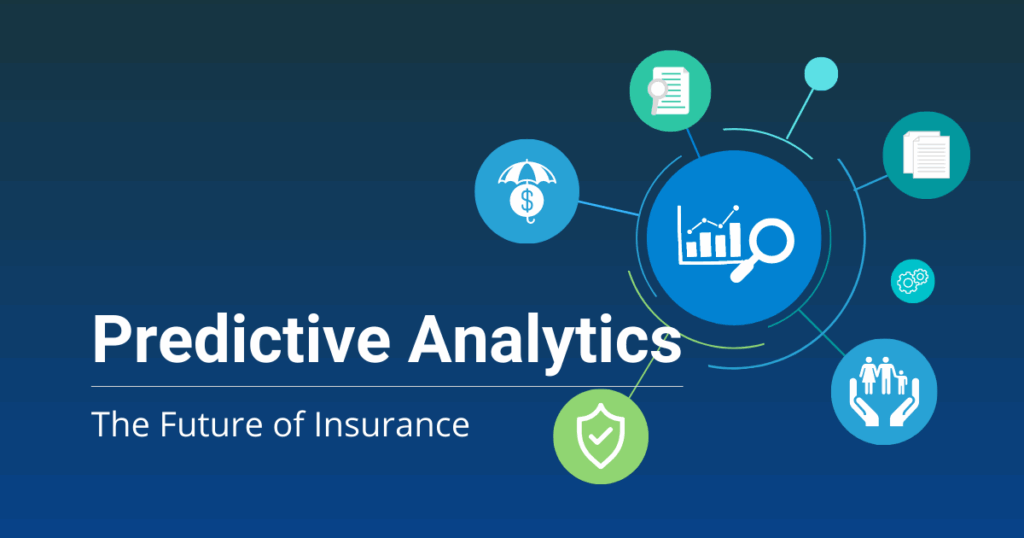
The insurance industry is changing fast, and one of the biggest drivers of this transformation is predictive analytics. From understanding customer behaviour to forecasting future claims, predictive analytics allows insurers to assess risk more accurately than ever before. But what does this mean for the everyday person buying insurance? And how does this technology actually work?
In simple terms, predictive analytics is the science of using data to predict what might happen tomorrow. It is not magic, and it is not guesswork. It is a powerful combination of historical data, advanced algorithms, and machine learning that gives insurers a clearer picture of risk. As a result, insurance becomes fairer, faster, and more personalised.
Let us break down how predictive analytics is reshaping the insurance world and why it matters more than you think.
Why Predictive Analytics Matters in Modern Insurance
Insurance used to depend heavily on broad categories. People with similar demographics or lifestyles were placed in the same risk group. But this traditional method often resulted in unfair pricing and slow decision making.
Predictive analytics changes this completely. It allows insurers to understand risk with far more precision.
Key benefits include
- Faster and more accurate claims assessments
- Fairer premiums based on actual behaviour
- Reduced fraud through early pattern detection
- Improved customer experience with personalised plans
- Better business decisions and smoother operations
For customers, this means insurance that adapts to their life instead of the other way around.
How Predictive Analytics Works Behind the Scenes
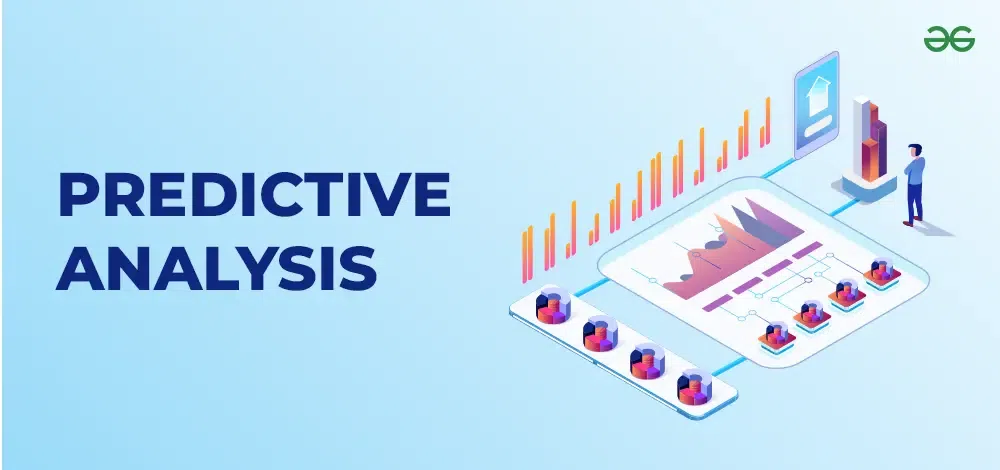
Predictive analytics may sound complex, but the logic is simple. It starts by collecting and analysing large sets of data. Everything from payment history to driving habits to home safety trends can be turned into insights.
This data is then processed using advanced technology such as
- Machine learning models
- Behavioural analysis tools
- Risk scoring algorithms
- Statistical forecasting
- Real time monitoring systems
These tools identify patterns that humans might miss. For example, a slight increase in unusual login attempts could signal potential identity theft, or a consistent change in home energy usage might warn of structural issues.
Insurers use these predictions to take smarter, faster actions.
Predictive Analytics and Claims Faster, Smoother, and More Accurate
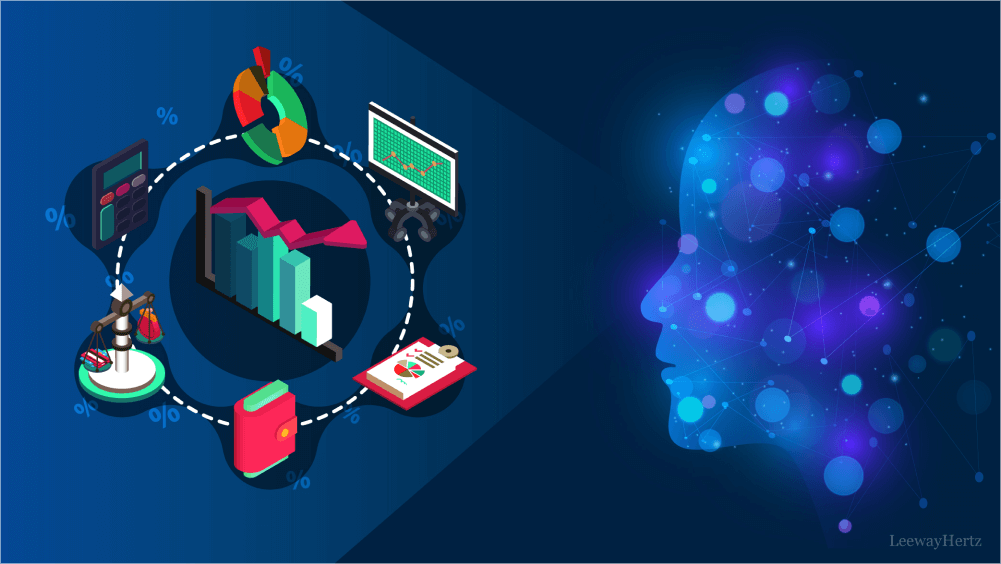
One of the most impressive applications of predictive analytics is in claims management. Traditionally, claims used to take days or even weeks to approve. Now, the process can be completed in minutes.
Predictive models help insurers by
- Automatically detecting whether a claim looks legitimate
- Flagging suspicious patterns for deeper review
- Estimating the cost of repairs instantly
- Recommending the best settlement options
- Speeding up communication between customers and agents
This reduces delays, minimises errors, and helps customers receive support when they need it most.
Personalised Premiums Based on Real Behaviour
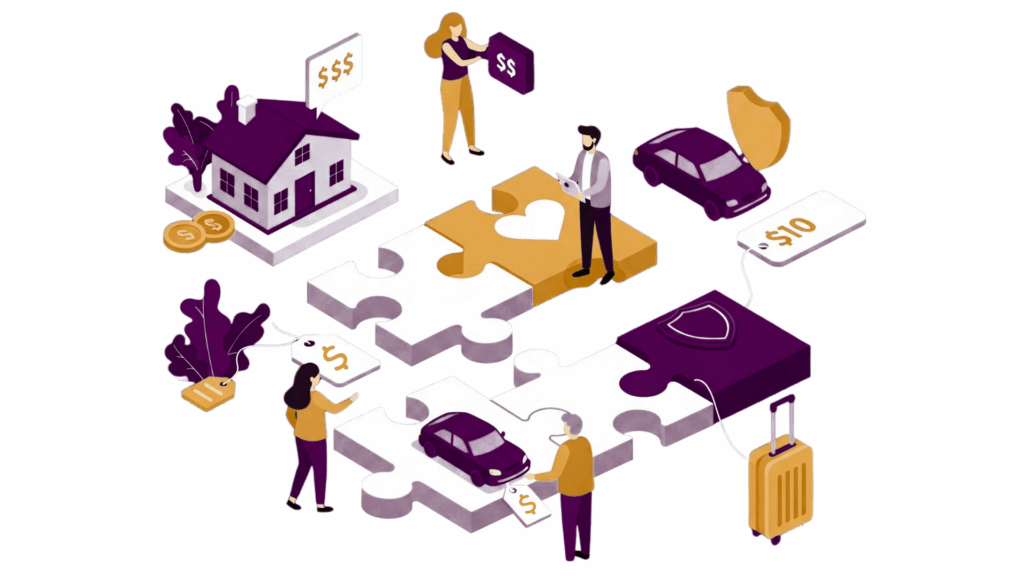
Predictive analytics allows insurers to move away from one size fits all pricing. Instead, premiums can be adjusted based on real life behaviour and personal risk levels.
Examples include
- Safe drivers paying less based on telematics data
- Responsible homeowners receiving discounts for strong safety records
- Health conscious individuals earning lower health insurance premiums
- Smart home devices reducing home or renter insurance risks
This level of personalisation makes insurance more transparent, fair, and consumer friendly.
How Predictive Analytics Helps Fight Fraud

Fraud is one of the biggest challenges in the insurance industry. Traditional methods simply cannot keep up with sophisticated fraudulent schemes.
Predictive analytics offers a powerful solution. It helps insurers detect fraud before it escalates.
Key ways it works include
- Spotting unusual or inconsistent details in claims
- Identifying repeated suspicious behaviours
- Tracking patterns across multiple accounts
- Using historical fraud data to catch new attempts
- Reducing false claims quickly and efficiently
This not only saves insurers money but also protects honest customers from higher premiums.
Predictive Analytics in Action Real Examples
To understand the real impact of this technology, consider a few simple scenarios.
Scenario 1
A driver uses a connected car device that sends data about speed, braking, and driving habits. The insurer uses predictive models to offer lower premiums in real time.
Scenario 2
A smart home device detects a leak early. Predictive analytics uses these alerts to calculate the risk of water damage and speeds up claim approval.
Scenario 3
A person misplaces their phone and notices suspicious login attempts. Predictive tools alert the insurer instantly about possible identity theft, preventing greater financial damage.
Each example shows how predictive analytics brings speed and accuracy to everyday life.
Future of Insurance Predictive, Personal, and Smarter
Predictive analytics is just the beginning. As technology becomes more advanced, we will see even smarter insurance systems. Artificial intelligence, wearable devices, smart home tools, and connected cars will all contribute to richer data and more accurate predictions.
In the future, insurance could offer
- Real time policy adjustments
- Instant risk suggestions to prevent accidents
- Fully automated claims processing
- Hyper personalised plans
- Faster emergency support through predictive alerts
Insurance will shift from reacting to problems to preventing them.
Final Thoughts Technology Already Knows More About Risk Than We Do
Predictive analytics is transforming insurance into a smarter, faster, and more personalised service. It removes guesswork, cuts unnecessary costs, and improves the experience for customers at every stage. Insurers can now identify risk before it becomes a problem and tailor coverage in ways that were impossible a decade ago.
For consumers, this means fairer pricing, quicker support, and better protection. For insurers, it means better decisions and stronger business outcomes. Predictive analytics is not just a trend. It is the future of insurance.