The financial technology (fintech) sector has transformed the global financial landscape faster in the past decade than traditional banking has in the previous half-century. With new digital tools, AI-powered platforms, and decentralized systems reshaping how consumers interact with money, fintech innovations in 2025 are expected to redefine everything from payments to lending.
As financial technology companies scale, regulatory frameworks tighten, and consumer behavior shifts toward digital-first experiences, several major trends are emerging that will dominate the fintech industry in 2025 and beyond.
Below is a detailed, research-driven breakdown of the top fintech trends shaping the future of financial technology.
1. AI Becomes the Core Engine of Financial Technology

Artificial intelligence is taking center stage across all fintech services.
In 2025, AI will power:
- Personalized financial planning
- Instant risk assessment and credit scoring
- Automated underwriting for loans and insurance
- Fraud detection systems
- Smart chatbots replacing basic customer support
Financial technology companies are integrating large language models (LLMs) to streamline operations and enhance the customer experience.
Why it matters:
AI is making fintech faster, more accurate, and more accessible improving both user experience and company efficiency.
2. Embedded Fintech Across Every Industry
Embedded financial technology integrates payments, lending, and insurance directly into non-financial platforms.
Examples include:
- E-commerce sites offering instant buy-now-pay-later
- Ride-share apps providing embedded insurance
- SaaS platforms including built-in payment processing
By 2025, embedded fintech will become a standard part of online services.
Why it matters:
Consumers interact with financial services without ever leaving the platform they’re using.
3. The Rise of Fintech Super Apps in the U.S.

While super apps have dominated Asia for years, U.S. financial technology companies are beginning to follow the model.
Apps like PayPal, Cash App, and Walmart Money are expanding into multi-service fintech ecosystems offering:
- Payments
- Investing
- Credit access
- Budgeting tools
- Rewards
Why it matters:
Users get an all-in-one financial management hub powered by fintech integrations
4. Real-Time Payments Become a Fintech Standard
Instant payments are becoming the new norm in the fintech world.
With systems like:
- FedNow
- RTP (Real-Time Payments Network)
- Global inspiration from UPI
- Money can now move instantly, 24/7.
Why it matters:
Financial technology platforms can enhance business payments, payroll, and consumer transactions.
5. RegTech Growth Driven by Fintech Expansion
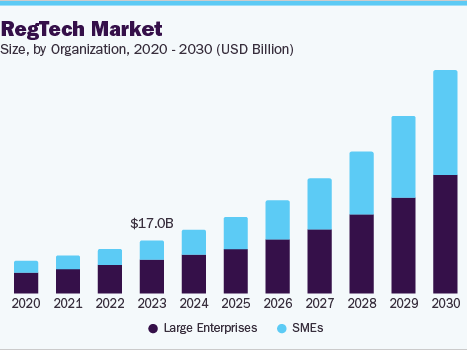
As fintech adoption increases, regulatory expectations grow as well.
This leads to the rise of RegTech, a key branch of financial technology focused on compliance automation.
2025 will see increased use of:
- AI-powered compliance monitoring
- Automated AML systems
- Identity verification tools
- Real-time risk reporting
Why it matters:
Fintech companies will be able to scale safely while staying compliant.
6. Digital Identity Becomes Central to Financial Technology
Digital identity verification is becoming essential for secure fintech onboarding.
Trends include:
- Biometric login (face/fingerprint ID)
- Passwordless authentication
- Government-backed digital ID systems
- Blockchain-based identity protection
Why it matters:
Stronger security leads to safer fintech products and reduced fraud.
7. DeFi Evolves With More Security & Regulation
Decentralized finance (DeFi) is transitioning from a high-risk space to a more structured part of financial technology.

Expect:
- Regulated DeFi exchanges
- Asset tokenization (real estate, bonds, stocks)
- Institutional DeFi adoption
- Stronger stablecoin regulations
Why it matters:
DeFi becomes more accessible to mainstream financial technology users.
8. Alternative Credit Scoring Expands Financial Inclusion
Traditional credit scoring often excludes millions of potential borrowers.
Fintech companies are solving this with alternative credit models based on:
- Utility and rent payments
- Gig economy income data
- E-commerce behavior
- Transaction history
Why it matters:
Financial technology becomes more inclusive and accessible.
9. InsurTech Growth Accelerates
Insurance technology is one of the fastest-growing segments of financial technology.
2025 will bring:
- Automated claims handling
- AI-based underwriting
- Usage-based insurance
- Real-time risk monitoring
Why it matters:
Insurance becomes quicker, cheaper, and more digital.
10. Cybersecurity Becomes the #1 Fintech Investment Area

With the rapid rise of digital transactions, fintech cybersecurity is becoming a critical priority.
Investments will focus on:
- Multi-factor biometric authentication
- Zero-trust security models
- AI threat detection
- Secure cloud infrastructure
Why it matters:
A secure fintech environment increases user trust and adoption.
Final Thoughts
The future of financial technology is defined by speed, intelligence, personalization, and security.
Fintech companies that embrace AI, real-time systems, digital identity, and strong compliance frameworks will lead the market.
As financial technology continues to evolve, consumers will benefit from services that are faster, safer, and more tailored to their needs.