In the United States, insurance is one of the most essential components of financial planning. It protects individuals, families, and businesses from unexpected losses that can be emotionally and financially overwhelming. Whether it’s a medical emergency, an accident, a natural disaster, or an unforeseen life event, insurance provides a safety net that helps people recover without facing crushing financial burden.
Although most people know they “need” insurance, many don’t fully understand what it actually is, how it works, or why it plays such an important role in American life. This article breaks down the concept of insurance in a simple, structured way while keeping the needs and realities of a US audience in mind.
What Is Insurance?
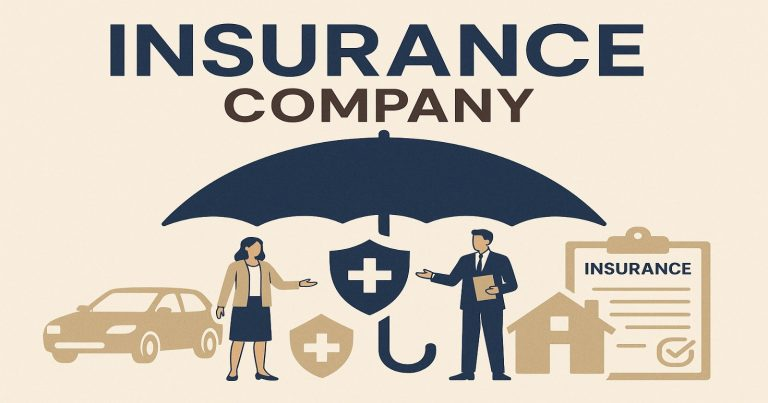
Insurance is a financial arrangement that protects against potential losses. At its core, it works on a risk-sharing principle: thousands or millions of people pay a relatively small amount (a premium) into a collective pool, and those who face a covered loss are compensated from that pool.
This system allows people to confidently navigate life without the constant fear of unpredictable financial disasters. For example, instead of worrying about paying tens of thousands of dollars if your car is damaged or you end up in the emergency room, you rely on insurance to absorb most of that cost.
The structure is simple:
- You pay premiums (monthly, yearly, or per policy).
- You receive coverage against certain risks.
- If a covered event happens, you file a claim.
- The insurer pays according to the policy rules.
Why Insurance Is Critical in the US

The United States has a unique financial and legal environment that makes insurance particularly important. Several factors shape this landscape:
1. High Cost of Services
Healthcare, auto repairs, legal proceedings, property restoration, and even everyday services tend to be more expensive in the US compared to many other countries. A simple medical procedure or a moderate car accident can easily cost thousands of dollars. Without insurance, these costs can cause significant financial stress or even bankruptcy.
2. Legal Requirements
Many forms of insurance are required by law or contract in the US. Auto insurance is mandated in most states. Mortgage lenders require homeowners insurance. Landlords often require renters insurance. These legal and contractual structures mean that insurance is deeply ingrained in daily life.
3. Natural Disasters and Environmental Risks
The United States experiences a wide range of natural disasters: hurricanes, tornadoes, wildfires, floods, and winter storms. Insurance helps people rebuild and recover after such events, providing stability to communities and supporting long-term resilience.
4. Protection Against Liability
The US has a strong legal system where liability (being financially responsible for harm caused to others) is taken very seriously. Insurance protects individuals and businesses from lawsuits, medical costs, and damages they may legally owe after an accident or unexpected incident.
How Insurance Works
While insurance policies differ in coverage, limitations, and terminology, the basic structure remains consistent across the industry.
Premiums
A premium is the amount you pay to maintain your coverage. Premium amounts depend on factors like age, location, risk level, past history, and the type of coverage.
Deductibles
This is the amount you must pay out of pocket before insurance coverage applies. Higher deductibles often mean lower premiums and vice versa.
Coverage Limits
The policy specifies how much the insurer will pay for certain types of losses. Limits can apply per incident, per year, or for the entire duration of a policy.
Claims
When a covered event occurs, the policyholder files a claim. The insurer investigates the claim to confirm details and approves payment if everything aligns with the policy terms.
Exclusions
Every insurance policy has exclusions, situations or damages that are not covered. Understanding exclusions is critical because they help you avoid surprises later.
The Role of Insurance in Financial Planning
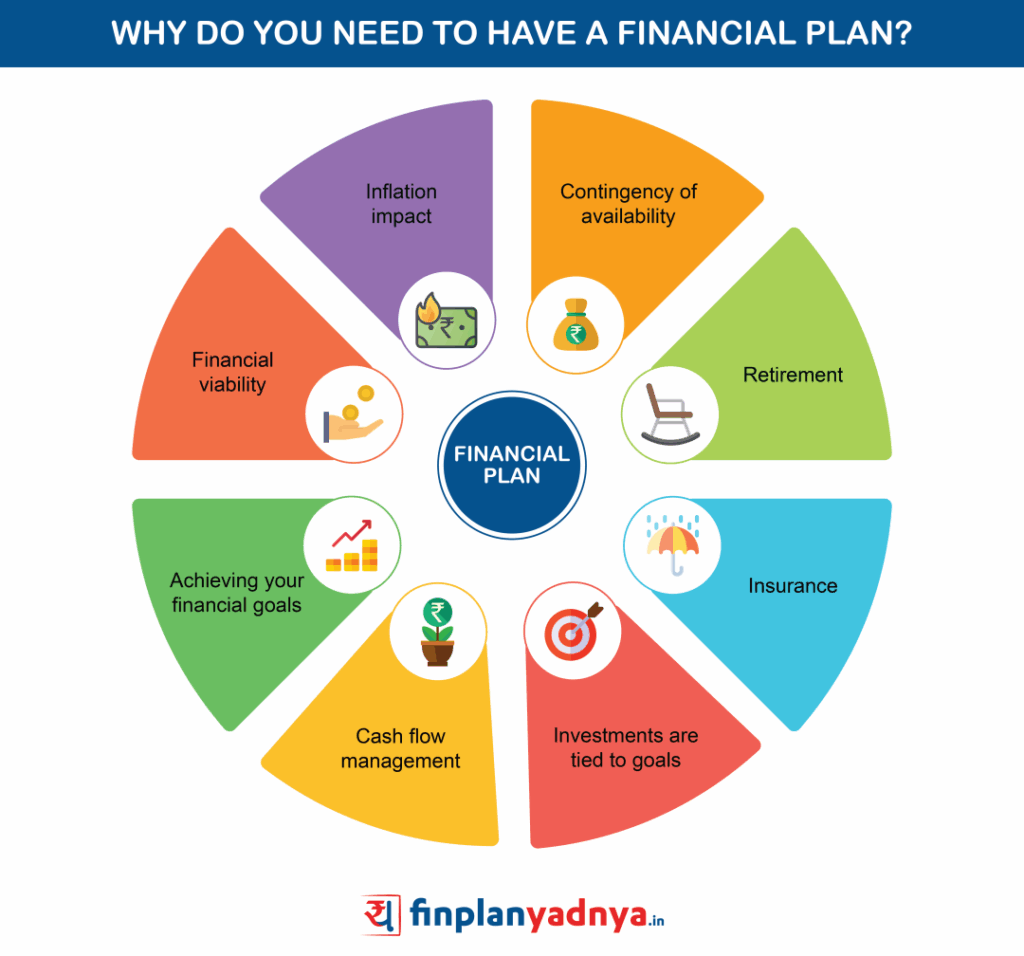
Insurance isn’t just a protective measure; it’s also a strategic financial tool. It reduces uncertainty, ensures long-term stability, and allows people to plan for the future with confidence.
Here’s how insurance supports financial planning in the US:
1. Protects Wealth and Assets
Insurance shields savings, investments, and property from unexpected losses. For example, a serious accident or home fire can wipe out a lifetime of savings without proper coverage.
2. Ensures Income Continuity
Policies like life insurance and disability coverage help families maintain their lifestyle and financial responsibilities even during difficult times.
3. Reduces Out-of-Pocket Costs
By covering large or unexpected expenses, insurance helps people avoid financial emergencies that can disrupt long-term goals.
4. Provides Peace of Mind
Knowing you’re protected against the unexpected gives you freedom to focus on your career, family, and goals without constant worry.
Challenges People Face With Insurance

Although insurance plays an essential role, many Americans struggle with aspects of it:
- Understanding coverage: Policies can be complex and filled with technical terms.
- Choosing the right plan: The marketplace is large, with dozens of options for every type of insurance.
- Affordability concerns: Premiums, deductibles, and out-of-pocket costs can be high.
- Policy confusion: People often don’t know what they are actually covered for until they face a claim.
For this reason, educational content like the articles you’re planning to publish is extremely helpful to US readers looking for clear, reliable guidance.
The Growing Importance of Insurance in the US
Several trends are increasing the need for insurance knowledge and coverage:
- Rising healthcare costs
- Growing frequency of natural disasters
- Increase in remote work and freelance careers
- A larger population renting homes instead of owning
- The rise of digital platforms and cyber risks
As these trends continue, insurance will remain a cornerstone of financial protection for individuals, families, and businesses.
Final Thoughts
Insurance isn’t just a contract, it’s a security system that supports millions of Americans through unexpected challenges. Understanding how insurance works, why it matters, and what it can protect you from is the first step toward making smarter financial decisions.
This foundational understanding also sets the stage for deeper, more specific insurance topics, which your content site can explore in future articles