Over the past decade, the global financial system has undergone a massive shift driven by rapid advancements in finance technology. Among the most impactful innovations are digital payments systems that allow people and businesses to transfer money electronically with speed, convenience, and security. From mobile wallets to real-time bank transfers, digital payments are reshaping how the world interacts with money and redefining economic growth.
The Rise of Digital Payments
The movement toward digital payments accelerated with the expansion of smartphones, high-speed internet, and user-friendly fintech apps. Today, consumers can pay for almost anything groceries, bills, subscriptions, services through a tap on their phones.
Some of the most widely adopted digital payment methods include:
- Mobile wallets (Apple Pay, Google Pay, Samsung Pay)
- Real-time payment systems (UPI, FedNow, SEPA Instant)
- Online payment gateways (PayPal, Stripe, Square)
- Contactless cards
- QR-based payments
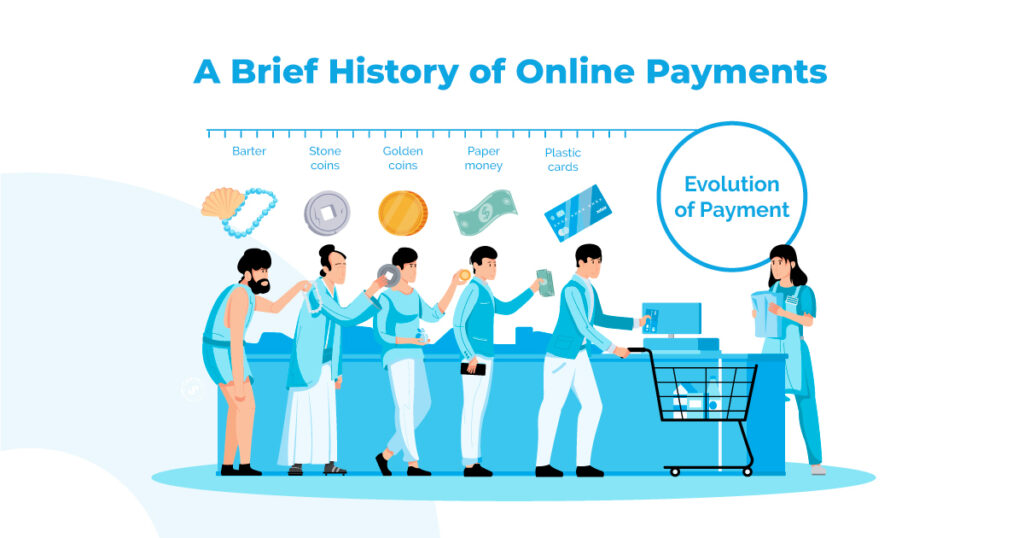
As more countries embrace these options, the shift from cash to digital is transforming financial systems at both micro and macro levels.
Driving Financial Inclusion
One of the greatest impacts of digital payments is how they expand financial access. Traditional banking systems often exclude low-income individuals, rural communities, or those without formal identification. Digital payments solve many of these barriers by:
- Allowing account opening via mobile devices
- Using alternative verification systems
- Enabling small, flexible transactions
- Reducing dependence on physical bank branches
In many developing countries, digital wallets have become a gateway to formal financial services. This improvement in financial inclusion is a major achievement powered by finance technology.
Boosting Economic Growth

Digital payments play a significant role in stimulating economies by enabling:
1. Faster Money Movement
Real-time transactions help businesses manage cash flow more efficiently and reduce delays associated with traditional banking.
2. Increased Consumer Spending
Convenient payment options encourage spending, benefiting retail, services, and e-commerce sectors.
3. Growth of Small Businesses
Small and medium enterprises (SMEs) can accept digital payments instantly, opening doors to online storefronts and global customers.
4. Reduced Operational Costs
Digital transactions eliminate the costs of handling cash transport, security, and physical storage.
Enhancing Transparency & Reducing Fraud
Digital payments leave a digital trail, which enhances transparency across the financial system. Governments and businesses gain better insights into:
- Tax collection
- Fraud prevention
- Transaction monitoring
- Economic pattern analysis
With tools like encryption, biometric verification, and AI-based fraud detection, finance technology makes digital payments safer than ever.
Transforming Global Trade

As businesses go international, digital payments simplify cross-border transactions. Modern fintech platforms support:
- Instant currency conversion
- Lower transaction fees
- Faster settlement times
- Reduced dependence on intermediaries
Previously, global trade was slowed by manual banking processes and high costs. Today, finance technology platforms streamline international commerce for companies of all sizes.
The Shift Toward Cashless Societies
Countries like Sweden, Singapore, and South Korea are leading the transition to near-cashless economies. This shift brings:
- Improved transaction efficiency
- Lower costs of maintaining physical currency
- Greater digital financial participation
Even in emerging markets, digital payments are driving the shift toward more modern financial ecosystems.
Challenges in Digital Payment Adoption
Despite its many advantages, digital payments face challenges:
- Cybersecurity threats
- Digital literacy gaps
- Unequal internet access
- Consumer trust issues
- High transaction fees in some regions
Addressing these barriers is essential to ensure that the benefits of digital payments reach everyone.
The Future of Digital Payments
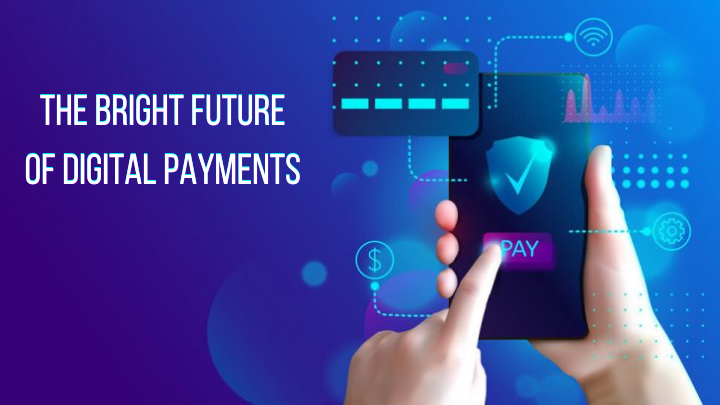
The next evolution in digital payments is already underway, powered by advanced finance technology such as:
- AI-driven payment automation
- Blockchain and decentralized finance (DeFi)
- Central Bank Digital Currencies (CBDCs)
- Biometric-based payments
- Voice-enabled transactions
As these systems mature, global economies will become even more interconnected, efficient, and innovation-driven.
Final Thoughts
Digital payments are more than a convenience; they are reshaping the global economy. From promoting financial inclusion to accelerating international trade, this transformation is deeply rooted in the advancement of finance technology. As adoption continues to grow, digital payments will play an even greater role in shaping the future of global finance, economic development, and everyday consumer behavior.