Home Blog Page 12

How Finance Technology Is Improving Financial Inclusion Worldwide

0

Over the past decade, finance technology (often referred to as fintech) has become one of the most powerful forces shaping global access to financial services. From digital payments to alternative lending and mobile banking, finance technology is breaking traditional barriers and helping millions of people especially those in underserved regions become part of the formal economy.

Today, more than 1.4 billion people globally are unbanked, according to the World Bank. The lack of access to banking, credit, insurance, and savings tools has kept individuals and small businesses financially excluded for decades. But finance technology is changing this narrative at an unprecedented pace.

This article explores how finance technology is driving financial inclusion worldwide, the innovations making the greatest impact, and what the future holds for underserved populations.

1. Mobile Banking: Bringing Financial Services to Remote Regions

One of the biggest breakthroughs driven by finance technology is mobile banking.
In many developing countries, people may not have access to a physical bank branch—but they do have access to mobile phones.

Finance technology platforms allow users to:

  • Create digital wallets
  • Send and receive money instantly
  • Pay bills and merchants
  • Save and manage funds securely

Examples like M-Pesa in Kenya and GCash in the Philippines show how mobile finance systems can transform entire economies.

Impact:
Millions of people previously excluded from traditional banking systems now have access to essential financial tools through their mobile devices.

2. Digital Payments and Cashless Ecosystems

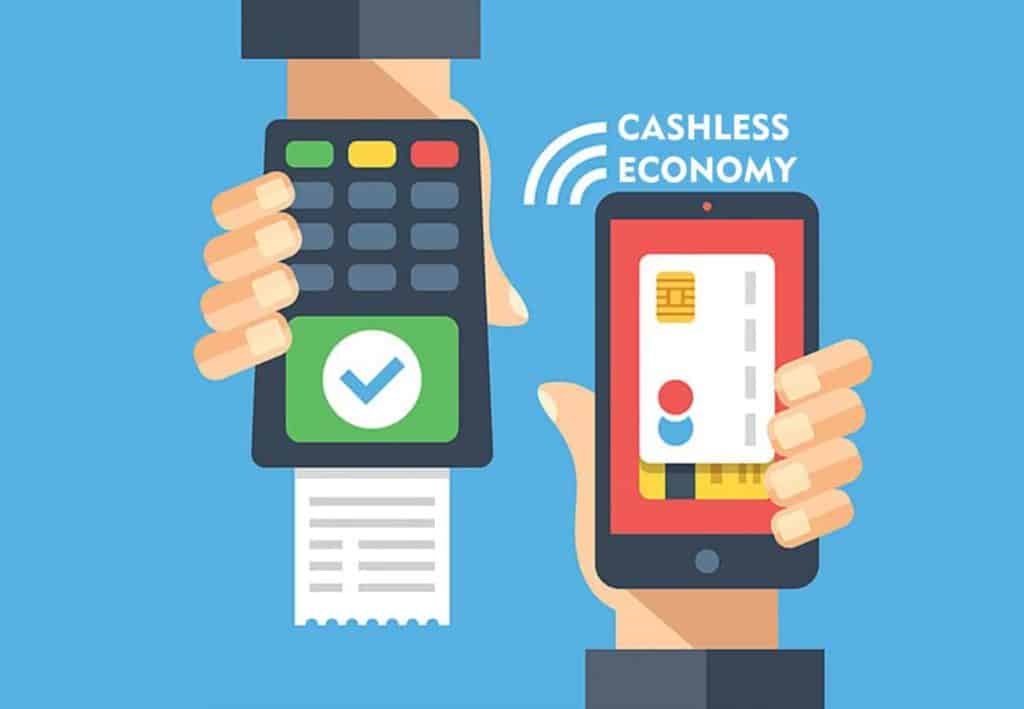
Finance technology has dramatically expanded digital payment networks worldwide, reducing reliance on cash and enabling safer, faster transactions.

Key enablers include:

  • QR-based payments
  • Peer-to-peer (P2P) payments
  • Tap-and-pay solutions
  • Merchant apps for microbusinesses

These digital payment systems help small and informal businesses increase their sales, maintain better records, and access financial services like credit.

Impact:
Digital payments simplify financial participation for individuals and empower small businesses to integrate into the commercial ecosystem.

3. Micro-Lending & Alternative Credit Scoring

Traditional lenders rely on credit history something millions of people don’t have.
Finance technology introduces alternative credit scoring, evaluating factors such as:

  • Mobile phone usage
  • Transactional behavior
  • Utility and rent payments
  • E-commerce activity
  • Employment patterns

Fintech lenders and microfinance apps use this data to offer small loans instantly, helping people start businesses, cover emergencies, or invest in their education.

Impact:
People without a formal credit history can access lending services and gradually build credit profiles fueling long-term economic stability.

4. Lowering Costs Through Automation & Innovation
One of the reasons traditional banking excludes low-income populations is high operational cost.
Finance technology reduces these costs with:

  • Automated underwriting
  • AI-driven risk assessment
  • Cloud-based infrastructure
  • Digital KYC/identity verification

With lower overhead, fintech companies can offer:

  • Zero-fee or low-fee accounts
  • Affordable remittances
  • Low-cost loan products

Impact:
Affordable digital financial services open the door for underserved populations to participate in the formal economy.

5. Expanding Access Through Digital Identity

Millions of people lack formal identification, making it impossible to open bank accounts.
Finance technology introduces digital identity solutions, including:

  • Biometric authentication
  • Electronic KYC (eKYC)
  • Government-backed digital IDs
  • Blockchain-based identity records

These systems make verification faster, cheaper, and more accessible.

Impact:
People without traditional documents can access financial services securely and reliably.

6. Enabling Financial Literacy Through Digital Platforms

Financial literacy is essential for inclusion.
Fintech and finance technology apps promote financial education through:

  • Personalized budgeting tools
  • Savings reminders
  • Micro-investing platforms
  • Financial coaching chatbots

Consumers learn to manage money better, make informed decisions, and avoid predatory lending.

Impact:
Digital education empowers individuals to become financially independent and responsible.

7. Cross-Border Payments & Remittances Become Cheaper

Traditional remittances can cost up to 7–10% in fees.
Finance technology is transforming this space with:

  • Low-fee digital transfers
  • Crypto-based cross-border settlements
  • Wallet-to-wallet payments
  • Real-time international money movement

Millions of migrant workers and families benefit directly from reduced costs.

Impact:
More money stays in the pockets of those who need it most, supporting families and small businesses globally.

The Future of Financial Inclusion Powered by Finance Technology

The role of finance technology in global financial inclusion will only grow in the coming years.
Trends shaping the future include:

  • AI-driven personal finance tools
  • Blockchain-based identity systems
  • Micro-insurance for low-income populations
  • Real-time global payment networks
  • Government-fintech collaborations

As finance technology continues to evolve, billions more people could gain access to formal financial services, unlocking new opportunities for economic growth and stability.

Final Thoughts

Finance technology is not just reshaping the financial industry it is opening the door to financial inclusion worldwide.
By reducing costs, improving accessibility, and creating innovative tools for underserved populations, fintech is helping individuals and small businesses participate in the global economy in ways that were previously impossible.


Online Job Search Advice: Leveraging Jobscan to Get Noticed and Land More Interviews

In today’s digital age, the job search landscape has shifted predominantly online. With a plethora of applications submitted for each opening, it’s easy for job seekers to feel like they’re sending their resumes into a black hole. This is where Jobscan comes into play, offering a beacon of hope for those looking to stand out in a crowded job market.

Understanding the Online Job Search Conundrum

The online job search process can be daunting. You find a job that fits your skills perfectly, you apply, and then… silence. This phenomenon, often referred to as “getting ghosted,” is a common frustration for many job seekers. But why does it happen?

One of the main reasons is the Applicant Tracking System (ATS). Employers use ATS software to filter through the high volume of resumes they receive. If your resume doesn’t contain the right keywords or isn’t formatted correctly, it might never reach a human recruiter. That’s where Jobscan steps in.

How Jobscan Can Help

Jobscan is a powerful tool that analyzes your resume against job descriptions, ensuring that it contains the right keywords and formatting to pass through ATS filters. Here are some ways Jobscan can transform your job search:

  1. Keyword OptimizationJobscan identifies the most important keywords used in the job description and compares them to your resume. It then provides you with a match rate and suggestions for improvement.
  2. Formatting AnalysisJobscan reviews your resume’s formatting to ensure it’s ATS-friendly. It checks for potential issues like complex tables or incorrect headings that could confuse the ATS.
  3. LinkedIn Optimization: Your LinkedIn profile is just as important as your resume. Jobscan offers LinkedIn optimization to ensure your profile contains the right keywords and is visible to recruiters.
  4. Cover Letter Analysis: A well-crafted cover letter can make a significant difference. Jobscan also analyzes your cover letter to ensure it complements your resume and appeals to recruiters.

Following Up on Job Applications

Following up on job applications is a critical step that many job seekers overlook. Here’s how to do it effectively:

  1. Find the Right Contact: Use LinkedIn or the company’s website to find the recruiter or hiring manager’s contact information.
  2. Choose the Right Time: Wait for about a week after submitting your application before following up. This shows your interest without being too pushy.
  3. Craft a Professional Email: Your follow-up email should be concise, polite, and professional. Reiterate your interest in the position and why you’d be a great fit.
  4. Stay Organized: Keep track of your applications and follow-ups. This will help you remember when and whom to follow up with.

Final Thoughts

The online job search doesn’t have to be a journey into the unknown. With insider knowledge and tools like Jobscan, job seekers can increase their visibility to recruiters, avoid getting ghosted, and secure more job interviews. Remember, the key is to be persistent, professional, and prepared. Good luck on your job search journey!

Get the Inside Scoop: FlixBus App Offers Real-Time Notifications

Ever been left in the dark about what’s going on with your bus trip? You’re sitting at the stop wondering where your ride is, checking your phone constantly for updates but finding nothing. Well, say goodbye to those days of travel uncertainty. The FlixBus app is here to keep you informed every step of the journey with real-time notifications sent straight to your mobile. No more guessing about delays or changes – you’ll get the inside scoop as soon as it happens. Read on to find out how this clever app ensures you always know what’s occurring with your trip, from start to finish. With the FlixBus app, you can sit back, relax and enjoy the ride knowing you’ll be in the loop.

Real-Time Updates Keep Passengers in the Loop

With the FlixBus app, you’ll always stay up to date on your trip details. The app provides live updates directly to your phone so you’re never left guessing.

Get Notified of Any Delays Right Away

Running late? The FlixBus app will send you an alert as soon as your bus driver reports any delays. That way you can let friends or family know you’ll be arriving behind schedule or make adjustments to connecting travel plans. No more wasting time waiting at the stop or station wondering where your ride is.

Stop Changes? You’ll Be the First to Know

Sometimes routes need to be adjusted on the fly. If your bus has to make any unscheduled stops or detours, the FlixBus app will notify you immediately. You’ll get details on the new pickup or drop-off points so you can navigate there with ease.

Arrival Times Kept Up to Date

Wondering exactly when you’ll make it to your destination? The FlixBus app provides live arrival time estimates based on your bus’s GPS location and current road conditions. So you’ll know precisely when you can expect to arrive at each stop along your route. No more guessing when you need to start making your way to the bus for departure or pickup.

With real-time notifications and constant updates on your trip’s status, the FlixBus app ensures you never feel out of the loop. Travel worry-free knowing you’ll be the first to know about any changes, delays or schedule adjustments so you can adjust your plans accordingly. Staying informed has never been so easy!

App Notifications for Delays and Schedule Changes

Finding out about travel updates straight from the source is key to a stress-free trip. FlixBus‘ app provides real-time notifications directly to your phone so you’re always in the know. ###Get alerts about delays before arriving at the station.

The last thing you want is to show up on time for your bus only to find out it’s running 30 minutes behind schedule. With the FlixBus app, you’ll receive push notifications the moment any delays are detected so you can adjust your plans accordingly. Maybe grab an extra coffee, take a walk around the block or get some work done while waiting – at least you’ll be prepared.

Be the first to know about stop changes or reroutes.

Sometimes routes need to be adjusted on the fly due to traffic or events. The FlixBus app sends alerts about any stops being skipped or the order changing so you don’t miss your bus or get off at the wrong place. Simply open the notification to see the updated list of stops and times.

Receive reminder alerts before your trip.

The days leading up to a trip always fill up fast. Let the FlixBus app be your personal assistant and set reminders for when it’s time to start packing, double check your reservation details or head to the bus station. Customize how far in advance you receive each alert so you’re not bombarded with too many at once.

Staying on schedule and up-to-date with the latest bus information is a breeze with the FlixBus app. Real-time notifications eliminate surprises and help you prepare for and enjoy every part of your journey with peace of mind. Now that’s what we call the ultimate travel companion!

Stop Changes and Boarding Updates

One of the biggest inconveniences of bus travel can be unexpected stops changes or boarding delays. With the FlixBus app, you’ll get notified directly on your phone if there are any updates to your scheduled stops or departure times.

Stop Changes

Sometimes road conditions or traffic require a trip to make changes to the scheduled stops. If your bus has to skip or add a stop, you’ll receive an alert on your phone as soon as the change is made. The app will show you the updated list of stops so you know exactly where and when you’ll be picking up or dropping off passengers. No more wondering why the bus blew past your stop or stopped unexpectedly in the middle of nowhere!

Boarding Updates

Running a few minutes behind schedule? The FlixBus app will let you know if your bus will be delayed leaving the station. You’ll get an estimated departure time right on your phone so you can grab a coffee or snack while you wait, instead of standing around wondering when you’ll get on the road. The app provides real-time updates from the driver on when boarding will begin and the new expected departure time.

Stay in the Loop

Using the FlixBus app, you’ll feel fully informed about any changes to your trip. No longer will you have to rely on station announcements or try to flag down an employee to ask what’s going on. The updates are pushed directly to your phone to keep you in the loop. With the app handling the communication, you’re free to relax knowing you won’t miss any important information about your trip. Staying up-to-date on stop changes, boarding delays, and departure times is just one more way FlixBus makes bus travel simple.

The FlixBus app provides an easy, convenient way to keep travelers informed in real-time about any trip updates or changes. No matter what happens on the road, you’ll be the first to know so you can sit back, relax and enjoy the journey.

Trip Tracking So Passengers Always Know ETA

Once you’ve booked your ticket, the FlixBus app makes it easy to stay on top of your trip details. As your departure date approaches, you’ll receive notifications straight to your phone keeping you up-to-speed with any changes.

The live trip tracker lets you see your bus’s location in real-time so you know exactly when to head to your stop. As the bus gets closer, the map will automatically zoom in to show surrounding roads and landmarks so you know precisely where it is. The app displays the bus’s estimated arrival time at your stop so there’s no guessing when you need to be there.

If there are any delays due to traffic or other unforeseen circumstances, you’ll get an alert right away. The notification provides the reason for the delay and an updated ETA so you can adjust your plans accordingly. There’s no need to call customer service or check a website—you’ll have the details you need instantly on your phone.

Once your bus departs, the live map continues tracking its location and provides arrival estimates for each remaining stop. At any time, you can see the full list of stops, the order the bus will visit them, and the scheduled arrival times. If the order or times change for any reason, the app will notify you promptly with the new details.

Using the FlixBus app, you’ll always feel confident in knowing exactly where your bus is and when it will reach your destination. Real-time updates and an intuitive live map give you the whole picture of your trip in one place. No more guessing games or wondering what’s going on—with the FlixBus app, you’re in the loop every step of the journey.

FlixBus App: Your Travel Companion

The FlixBus app is your perfect travel companion, keeping you up to date with your bus trip in real-time. Once you’ve booked your ticket, download the free FlixBus app and log in with the email you used to purchase your fare. Your trip details and live updates will automatically appear on the home screen.

Live Arrival and Departure Times

No more guessing when your bus will show up. The FlixBus app provides live arrival and departure times for all stops along your route. If there are any delays due to traffic or weather conditions, you’ll receive an alert directly on your phone with the new estimated times. That way you can grab a coffee or meal without worrying about missing your bus.

Platform and Stop Changes

There’s nothing worse than rushing to your bus stop only to find the platform or location has changed last minute. The FlixBus app sends real-time notifications about any platform swaps or stop relocations so you’re always in the know. The app will direct you to the proper stop location and platform so you can board your bus with confidence.

Optional Add-Ons

Want to upgrade your seat to extra legroom or purchase on-board snacks? You can add optional extras right in the FlixBus app anytime before or during your trip. Simply select your current trip in the app and choose any upgrades or add-ons you want to purchase. Your fare will be adjusted accordingly, and the extras will be waiting for you when you board.

The FlixBus app provides a stress-free travel experience by keeping you informed in real-time about departure and arrival updates, platform changes and optional add-ons. Download the app for free and all your trip details will automatically sync for a seamless journey from start to finish. Your bus adventure awaits!

Conclusion

And there you have it – the inside scoop on how the FlixBus app keeps you in the know with real-time trip updates. Pretty nifty, right? Whether your bus is running late or your stop gets changed last minute, you’ll get those need-to-know notifications right on your phone so you’re never left wondering. It’s all about giving you that peace of mind and taking the guesswork out of travel. So next time you’re booking your FlixBus journey, be sure to download the app and get those instant updates. You’ll be glad you did when you can see your bus rolling up in real-time. Stay in the loop and enjoy the ride – it’s all at your fingertips with the FlixBus app!

Tesco Mobile App: A Winning Strategy for Seamless Customer Experience

Introduction

In today’s digital age, mobile applications have become pivotal tools for businesses to engage with their customers effectively. Tesco Mobile, a subsidiary of the renowned British retailer Tesco, has successfully navigated the competitive mobile market landscape by offering a user-friendly and feature-rich mobile app. This app serves as a cornerstone in delivering a seamless experience to Tesco Mobile customers, setting it apart from its competitors. Let’s delve deeper into why Tesco Mobile’s app is not just a success, but a strategic triumph.

User-Friendly Interface

At the heart of Tesco Mobile’s app lies a user-friendly interface, meticulously crafted to offer a seamless experience to customers. Upon launching the app, users are greeted with a clean and intuitive design that facilitates easy navigation. Whether users want to view their account details, manage services, or explore new offerings, the app’s simplicity encourages engagement and fosters loyalty. Tesco Mobile understands the importance of a well-designed interface in ensuring a positive user experience, and their app reflects this commitment.

Convenient Self-Service Options

Empowering users to take control of their mobile services is a cornerstone of Tesco Mobile’s app strategy. The app offers a plethora of self-service options that enable customers to manage their accounts with ease:

View and Pay Bills: Gone are the days of scrambling to find paper bills or logging into multiple accounts. Tesco Mobile’s app allows customers to effortlessly check their bills, view usage details, and make payments, all from the convenience of their smartphones. Manage Tariffs: With the app, users have the flexibility to explore different tariff options, switch plans, and customize their mobile experience according to their evolving needs and preferences. Track Orders: Whether it’s a new phone or a SIM card, Tesco Mobile customers can track their orders seamlessly through the app, eliminating the need for tedious follow-ups or inquiries.

Exclusive Deals and Offers

Tesco Mobile understands the importance of rewarding customer loyalty and keeping them engaged. To achieve this, the app regularly features exclusive deals, discounts, and promotions that are accessible only to app users. Through personalized notifications, customers are kept informed about the latest offers, ensuring that they don’t miss out on valuable savings or incentives. Whether it’s discounted data bundles, free minutes, or enticing device upgrades, the app serves as a gateway to a treasure trove of savings and benefits.

Customer Support at Your Fingertips

In today’s fast-paced world, timely and efficient customer support is non-negotiable. Tesco Mobile’s app recognizes this need and provides customers with quick and convenient access to support resources:

Live Chat: Need assistance? No problem. With the app’s integrated live chat feature, users can connect with customer service representatives in real-time, resolving queries or issues without having to navigate away from the app. FAQs and Troubleshooting: For more straightforward inquiries or troubleshooting needs, the app offers a comprehensive repository of frequently asked questions, troubleshooting guides, and self-help resources. Whether it’s setting up a new device or resolving network issues, users can find answers to common queries at their fingertips.

Integration with Tesco’s Ecosystem

One of the key differentiators of Tesco Mobile’s app is its seamless integration with Tesco’s broader ecosystem of services:

Clubcard Integration:

By linking their Tesco Clubcard to the app, customers can earn points on their mobile purchases, further enhancing the value proposition of being a Tesco Mobile customer. This integration not only rewards loyalty but also fosters a deeper sense of engagement with the Tesco brand. Grocery Shopping: Tesco Mobile’s app goes beyond mobile services by seamlessly connecting users to Tesco’s online grocery shopping platform. This integration allows customers to seamlessly switch between managing their mobile services and browsing for groceries, streamlining their overall shopping experience. Conclusion

In conclusion, Tesco Mobile’s app stands as a shining example of the brand’s commitment to customer satisfaction, convenience, and innovation. By prioritizing user-centric design principles, offering a wide array of self-service options, providing exclusive deals and offers, delivering efficient customer support, and integrating seamlessly with Tesco’s broader ecosystem, the app continues to set the benchmark for excellence in the mobile industry. As technology evolves and customer expectations continue to rise, Tesco Mobile remains steadfast in its mission to deliver a seamless and unparalleled mobile experience for millions of users worldwide.

How to Protect Your Phone From Theft

0

In today’s digital age, our smartphones have become more than just communication devices—they hold our personal information, memories, and even financial data. Losing a phone to theft can be distressing, but with the right precautions, you can significantly reduce the risk. Let’s explore practical steps to protect your phone from theft.

1. Introduction

Our smartphones are an extension of ourselves, containing our contacts, photos, emails, and access to various online accounts. Phone theft not only disrupts our daily lives but also poses serious security risks. Whether you’re at a café, on public transportation, or walking down the street, phone theft can happen anywhere.

2. Understanding the Risks

Data Vulnerability

Phones store a wealth of sensitive data:

  • Personal Information: Contacts, messages, emails.
  • Financial Data: Banking apps, payment methods.
  • Access to Social Media Accounts

Risks of Phone Theft

  • Identity Theft: Thieves can impersonate you using the information on your phone.
  • Unauthorized Access: Access to personal accounts, emails, and social media.
  • Financial Loss: Unauthorized transactions if payment apps are accessible.

3. Preventive Measures

Physical Security

  • Stay Alert: Be aware of your surroundings. Avoid leaving your phone unattended in public places.
  • Secure Attachments: Use phone cases with wrist straps or crossbody attachments to prevent snatching.

Technological Solutions

  • Screen Locks and Biometrics:
    • Set up a strong passcode, pattern, or PIN.
    • Enable fingerprint or facial recognition.
  • Anti-Theft Software:
    • Install and activate “Find My iPhone” (iOS) or “Find My Device” (Android).
    • These tools allow you to locate, lock, or erase your phone remotely.

Data Protection

  • Encryption:
    • Encrypt sensitive data on your phone to prevent unauthorized access.
  • Regular Backups:
    • Back up your phone’s data to an external drive or cloud service.
    • Regular backups ensure you don’t lose critical information.

Behavioral Strategies

  • Password Security:
    • Don’t share passwords or PINs.
    • Avoid using easily guessable codes.
  • Discreet Usage:
    • Use your phone discreetly in public to avoid drawing attention.
    • Don’t leave your phone visible in parked cars.

4. What to Do If Your Phone Is Stolen

  1. Remain Calm:
    • Take a deep breath and stay composed.
  2. Locate Your Phone:
    • Use the tracking app (e.g., “Find My iPhone” or “Find My Device”) to locate your phone.
  3. Lock or Erase Your Phone:
    • If you can’t retrieve it, remotely lock your phone to prevent unauthorized access.
    • Consider erasing the data if necessary.
  4. Report the Theft:
    • File a police report and provide them with the phone’s details.
  5. Contact Your Carrier:
    • Inform your mobile carrier to suspend service and prevent unauthorized usage.

Remember, prevention is key. By implementing these measures, you can safeguard your phone and your personal information from theft. Stay vigilant, stay secure!


Temu’s Ascendancy: Deciphering the App’s Triumph in the US Market

0

In the bustling realm of travel apps, Temu has emerged as a formidable player, capturing the attention and admiration of users across the United States. This article embarks on a journey to uncover the secrets behind Temu‘s meteoric rise to the zenith of the US market, exploring the key factors that have propelled its success and solidified its position as a frontrunner in the travel industry.

 Temu‘s Phenomenal Journey

Temu‘s journey from humble beginnings to becoming a household name in the US travel sector is nothing short of remarkable. As the app continues to garner widespread acclaim and user loyalty, it’s imperative to delve deeper into the strategies and elements that have contributed to its remarkable ascent.

Understanding the US Market Landscape

Before dissecting Temu‘s success, it’s crucial to grasp the intricacies of the US travel market. With a diverse population, varying travel preferences, and a penchant for convenience, the US market presents both opportunities and challenges for travel app providers. Temu‘s ability to navigate this landscape effectively has been instrumental in its triumph.

Innovative Features and User Experience

At the heart of Temu‘s success lies its commitment to innovation and user-centric design. The app’s intuitive interface, seamless navigation, and array of features tailored to meet the diverse needs of travelers have set it apart from the competition. From personalized recommendations to real-time updates and seamless booking options, Temu ensures that users enjoy a hassle-free and enriching travel experience.

Strategic Partnerships and Alliances

Another key element of Temu‘s success in the US market is its strategic partnerships and alliances with leading players in the travel industry. By forging collaborations with airlines, hotels, car rental companies, and tour operators, Temu has expanded its reach and offered users access to a comprehensive range of travel options, enhancing its appeal and value proposition.

Data-Driven Insights and Personalization

Temu‘s utilization of data-driven insights and personalization techniques has been pivotal in capturing the attention and loyalty of US travelers. By leveraging advanced analytics and machine learning algorithms, Temu delivers tailored recommendations, curated experiences, and targeted promotions that resonate with users’ preferences and interests, fostering deeper engagement and brand affinity.

Community Building and Engagement

Temu‘s success is not just about transactions; it’s about building a vibrant and engaged community of travelers. Through interactive features, social sharing capabilities, and user-generated content, Temu fosters a sense of belonging and camaraderie among users, transforming the app into a trusted companion for every journey.

Temu‘s Enduring Legacy

In conclusion, Temu‘s ascent to the summit of the US travel market is a testament to its relentless pursuit of excellence, innovation, and customer satisfaction. By understanding the unique dynamics of the US market, embracing innovation, forging strategic partnerships, and prioritizing user experience and personalization, Temu has carved a niche for itself and established an enduring legacy in the travel industry. As it continues to evolve and adapt to changing trends and consumer preferences, Temu is poised to remain a dominant force in the US market for years to come.

Is Your Computer Running Slow? Here’s How To Make It Run Faster

0

Introduction

We’ve all experienced it: that frustrating moment when your once-speedy computer starts crawling like a tortoise. Whether you’re working, gaming, or simply browsing the web, a slow computer can significantly impact productivity and user experience. In this article, we’ll explore common reasons behind sluggish performance and provide practical steps to speed up your computer.

Identifying the Problem

Before diving into solutions, let’s diagnose the issue:

  1. Resource-Hungry Software:
    • Check for resource-intensive programs running in the background. Task Manager (Windows) or Activity Monitor (macOS) can help identify CPU, memory, and disk usage.
    • Uninstall unnecessary software that consumes resources.
  2. Outdated Hardware:
    • Aging components (e.g., RAM, hard drive) can slow down your system. Check if your hardware meets the demands of modern applications.
  3. Storage Space:
    • Insufficient storage can lead to slow performance. Regularly clean up files and consider upgrading to a larger hard drive or SSD.
  4. Malware and Viruses:
    • Malicious software can hog resources. Run a full system scan using reliable antivirus software.

Practical Steps to Speed Up Your Computer

1. Software Optimization

  • Uninstall Unnecessary Programs:
    • Go to Control Panel (Windows) or Applications (macOS) and remove software you no longer need.
    • Disable startup programs to reduce boot time.
  • Virus Scanning and Malware Removal:
    • Use reputable antivirus software to scan for malware.
    • Keep your antivirus definitions up to date.
  • Regular System Updates:
    • Install operating system updates to improve stability and security.
    • Clean up system files using built-in tools (e.g., Disk Cleanup on Windows).

2. Hardware Upgrades

  • Upgrade RAM:
    • Adding more RAM can significantly boost performance, especially if you run memory-intensive applications.
  • Install an SSD (Solid State Drive):
    • SSDs are faster than traditional hard drives. Consider replacing your HDD with an SSD for faster boot times and application loading.
  • Battery Replacement (Laptops):
    • If your laptop’s battery is old and no longer holds a charge, replacing it can improve overall performance.

3. Optimizing Settings

  • Visual Effects:
    • Adjust visual effects (e.g., animations, shadows) in system settings. Disabling unnecessary eye candy can free up resources.
  • Power Settings:
    • Opt for a balanced power plan that balances performance and energy efficiency.

4. Regular Maintenance

  • Dust Off Internal Components:
    • Dust buildup can cause overheating and slow down your computer. Use compressed air to clean fans and vents.
  • Monitor Temperatures:
    • Install temperature-monitoring software to ensure your CPU and GPU stay within safe limits.

Using External Tools and Software

While built-in tools are helpful, consider using external software for more efficient optimization:

  • CCleaner (Free/Paid):
    • Cleans junk files, fixes registry issues, and manages startup programs.
  • Malwarebytes (Free/Paid):
    • Scans for malware and removes threats.
  • Defraggler (Free/Paid):
    • Optimizes hard drive fragmentation.

Remember, maintaining a healthy computer involves a combination of software tweaks, hardware upgrades, and regular care. By following these steps, you can breathe new life into your sluggish machine and enjoy a faster computing experience

How Blockchain is Revolutionizing Marketing

0

Introduction to Blockchain Technology

Blockchain technology is a decentralized and secure system that allows for transparent and tamper-proof record-keeping. It operates as a distributed ledger, where transactions are grouped into blocks and linked together in a chain. Here are the primary features of blockchain:

  1. Decentralization: Unlike traditional centralized systems, blockchain operates on a peer-to-peer network. There is no central authority, which enhances security and reduces the risk of fraud.
  2. Transparency: Every transaction recorded on the blockchain is visible to all participants. This transparency ensures accountability and trust.
  3. Security: Blockchain uses cryptographic techniques to secure data. Once a block is added to the chain, altering it becomes practically impossible.

Current Challenges in Marketing

The marketing industry faces several challenges:

  1. Transparency in Ad Delivery: Advertisers often struggle to verify whether their ads are delivered as promised. Blockchain can provide a transparent and auditable record of ad impressions, clicks, and conversions.
  2. Customer Data Security: Data breaches and privacy concerns are rampant. Blockchain can protect customer data by allowing users to control access and verify data authenticity.
  3. Reliability of Marketing Analytics: Marketers rely on analytics to make informed decisions. However, inaccurate or manipulated data can lead to poor strategies. Blockchain ensures data integrity and reliability.

use of blockchain technology in business

Blockchain Solutions in Marketing

  1. Digital Advertising Chain Transparency:
    • Advertisers can use blockchain to track the entire ad delivery process. Impressions, clicks, and conversions are recorded in an immutable ledger.
    • Smart contracts can automate payments based on predefined conditions (e.g., pay-per-click or pay-per-conversion).
  2. Secure Customer Data Management:
    • Blockchain allows users to own and control their data. Users grant permission for data access, reducing the risk of unauthorized sharing.
    • Decentralized identity solutions enable marketers to verify user identities without compromising privacy.
  3. Authenticity of Marketing Analytics:
    • Blockchain ensures data accuracy by preventing tampering. Marketers can trust the analytics provided by the system.
    • Smart contracts can automate data aggregation and reporting, reducing manual errors.

Case Studies

  1. Brave Browser and Basic Attention Token (BAT):
    • Brave, a privacy-focused browser, uses BAT tokens to reward users for viewing ads. Advertisers pay in BAT, and users receive a share of the revenue.
    • Blockchain ensures transparency in ad delivery and fair compensation for user attention.
  2. Walmart’s Food Traceability:
    • Walmart uses blockchain to track the origin and journey of food products. Customers can scan QR codes to learn about the product’s history.
    • This transparency builds trust and helps combat food fraud.

Future Prospects of Blockchain in Marketing

  1. Tokenized Marketing Campaigns:
    • Brands can create their own tokens for loyalty programs, discounts, or exclusive content.
    • Tokenized campaigns incentivize customer engagement and foster brand loyalty.
  2. Supply Chain Transparency:
    • Blockchain can enhance supply chain visibility, allowing consumers to verify product authenticity and ethical sourcing.
    • This transparency appeals to conscious consumers.

Conclusion

Blockchain technology has the potential to transform marketing by addressing existing challenges and creating new opportunities. As adoption grows, marketers must stay informed and explore innovative ways to leverage blockchain for better customer experiences and data management.

Uber India’s Proactive Privacy Measure: Deleting Shared Phone Numbers

0

In a significant move to bolster user safety and privacy, Uber India has implemented a new policy that proactively deletes phone numbers shared in the app’s chat feature. This decision reflects a growing concern for digital privacy and the need for robust measures to protect personal information in the ride-sharing industry.

The Decision: Enhancing Safety and Privacy Uber India’s initiative to delete phone numbers shared in chats is a response to unique challenges in the Indian market. The company’s Head of Safety Operations for India and South Asia, Sooraj Nair, explained that this feature aims to minimize the risk of privacy breaches that can occur when riders and drivers exchange personal contact information1.

Implications for Riders and Drivers For riders, this move ensures that their personal phone numbers remain confidential, reducing the risk of unwanted contact after a ride is completed. Drivers also benefit from this policy, as it helps maintain their privacy and prevents potential harassment or misuse of their contact details.

Broader Context: Privacy in Ride-Sharing The ride-sharing industry collects vast amounts of user data to improve service efficiency. However, concerns over data breaches and misuse are prompting companies to adopt stricter privacy measures2. Uber’s phone number deletion policy is part of a suite of safety features that includes anonymizing pickup and drop-off addresses and masking phone numbers during calls made through the app1.

Alignment with Uber’s Commitment This initiative is in line with Uber’s commitment to creating a secure and confidential platform. By proactively addressing privacy risks, Uber is taking a step forward in ensuring that its users’ personal information is not compromised.

Significance and Benefits The significance of this policy lies in its potential to set a new standard for privacy protection in the ride-sharing industry. The benefits are clear: enhanced user trust, reduced risk of information leakage, and a safer overall experience for both riders and drivers.

Potential Challenges Despite the advantages, there may be challenges in implementing this policy. Users may find it inconvenient if they need to share contact information for legitimate reasons. Additionally, ensuring the accuracy of the detection mechanism that identifies and deletes phone numbers is crucial to avoid errors.

Impact on the Uber Community and Digital Privacy For the Uber community, this policy shift means a more secure environment where personal information is safeguarded. It also contributes to the evolving landscape of digital privacy, where user data protection is becoming increasingly important.

In conclusion, Uber India’s decision to delete phone numbers shared in chats is a commendable step towards enhancing digital privacy. It underscores the company’s dedication to user safety and sets an example for privacy measures in the ride-sharing industry. As the digital world continues to evolve, such proactive approaches will be vital in protecting users’ personal information.

Quantum Computing: A New Frontier in Sustainable Technology

0

Quantum computing represents a revolutionary shift in our approach to data processing, utilizing the principles of quantum mechanics to perform complex calculations at speeds unattainable by traditional computers. As this technology progresses, it also opens up new avenues for promoting sustainability. This blog explores how quantum computing is positioned to enhance environmental efforts and drive significant advancements in various industries, ultimately contributing to a more sustainable future.

 The Basics of Quantum Computing

Unlike classical computers, which use bits as the smallest unit of data (either a 1 or a 0), quantum computers use quantum bits, or qubits, which can represent and store information in both 1 and 0 simultaneously thanks to a phenomenon called superposition. This ability allows quantum computers to process vast amounts of data at unprecedented speeds.

Another quantum phenomenon, entanglement, allows qubits that are entangled to instantly affect each other, regardless of the distance separating them. This property is what enables quantum computers to perform complex calculations more efficiently than classical computers.

 Quantum Computing and Sustainability

Quantum computing’s potential to process, optimize, and analyze big data can be a game-changer in fields directly affecting sustainability, such as energy consumption, materials science, and environmental management.

  1. Energy Optimization: Quantum computers can optimize power distribution in the energy grid more efficiently than traditional computers. This optimization includes reducing energy wastage and enhancing the integration of renewable energy sources into the grid, thereby promoting energy conservation and reducing carbon footprints.
  1. Material Science: They can model and simulate molecular structures with high accuracy, which is beyond the reach of conventional computing. This ability can lead to the discovery of new materials for efficient energy storage, such as better batteries, or materials that can capture carbon from the atmosphere more effectively.
  1. Climate Modeling: Quantum computers have the potential to dramatically improve climate modeling by processing vast amounts of environmental data at speeds impossible for classical computers. More accurate models can lead to better understanding and forecasting of climate change impacts, enabling more effective mitigation strategies.

 Challenges and Opportunities


Despite its potential, quantum computing is still in the early stages of development, and several challenges must be addressed before it can be fully integrated into sustainability efforts:

– Technological Maturity: Quantum computers are not yet as reliable or scalable as classical computers and require extremely low temperatures to function, making them expensive and energy-intensive to maintain.

  – Error Rates and Qubit Stability: Quantum computers currently have high error rates because qubits are extremely sensitive to their environment. Improving qubit stability and coherence time is crucial for the practical use of quantum technology.

– Software Development: There is a need for new algorithms designed specifically for quantum computing. Developing these algorithms requires a deep understanding of both quantum mechanics and the specific problems being addressed.

 The Future of Quantum Computing in Sustainable Tech

Investments in quantum computing are growing, with both private and public sectors recognizing its potential impact. Governments and major technology companies worldwide are investing billions into quantum research, aiming to overcome current limitations and bring this technology to a point where it can solve real-world problems, including those related to sustainability.

As quantum computing continues to develop, it is set to become a powerful tool in the battle against climate change and environmental degradation. It offers the promise of huge leaps forward in our capacity to process information and optimize systems, including those underlying global sustainability efforts.

 Conclusion

Quantum computing is poised to play a crucial role in future sustainability efforts by enhancing how we understand and interact with the natural world. From improving energy efficiency to enabling the rapid development of new materials and advancing climate science, the potential applications of quantum computing in sustainable technology are vast and varied. As researchers continue to tackle the formidable challenges inherent in quantum technology, we may soon see quantum computing becoming a pillar of global sustainability efforts. 

This cutting-edge technology not only promises to revolutionize our computational capabilities but also to significantly bolster our efforts to create a more sustainable and environmentally friendly world.