Home Blog Page 13

Fiverr for Business: Leveraging Freelance Talent to Drive Growth and Innovation

In today’s fast-paced and ever-evolving business landscape, agility and innovation are key to staying competitive. Fiverr, the leading online marketplace for freelance services, offers a unique solution for businesses seeking to tap into a global pool of talent to drive growth and innovation. In this blog post, we’ll explore how businesses can leverage Fiverr to access specialized skills, scale their operations, and unlock new opportunities for innovation and success.

The Rise of Freelance Talent in the Business World

The traditional employment model is rapidly evolving, with an increasing number of businesses turning to freelance talent to meet their needs for specialized skills and expertise. Fiverr has played a significant role in this shift, providing a platform where businesses can easily connect with freelancers from around the world. Whether it’s graphic design, digital marketing, software development, or content creation, Fiverr offers a wide range of services tailored to the needs of businesses of all sizes and industries.

Driving Growth Through Scalable Solutions


One of the key advantages of leveraging freelance talent through Fiverr is the ability to scale operations quickly and cost-effectively. Whether you’re a startup looking to launch a new product or a large corporation seeking to expand into new markets, Fiverr offers flexible solutions that can be tailored to your specific needs and budget. With access to a global network of skilled freelancers, businesses can ramp up their capacity on-demand, without the need to hire full-time employees or invest in costly infrastructure.

Unlocking Innovation and Creativity

Innovation is the lifeblood of any successful business, and Fiverr provides a fertile ground for creativity and experimentation. By tapping into a diverse pool of freelancers with unique perspectives and skills, businesses can access fresh ideas and novel approaches to solving complex challenges. Whether it’s developing a new product concept, launching a viral marketing campaign, or redesigning a website, Fiverr freelancers bring a wealth of creativity and innovation to the table, driving business growth and differentiation in the marketplace.

Enhancing Agility and Adaptability

In today’s dynamic business environment, agility and adaptability are more important than ever. Fiverr enables businesses to stay nimble and responsive to changing market conditions by providing access to specialized skills and resources on an as-needed basis. Whether it’s responding to a sudden surge in demand, pivoting to a new business model, or navigating unforeseen challenges, Fiverr freelancers offer the flexibility and expertise needed to keep businesses ahead of the curve.

Maximizing Return on Investment

One of the most compelling reasons for businesses to leverage Fiverr is the ability to maximize return on investment. With Fiverr’s transparent pricing model and competitive rates, businesses can access high-quality freelance talent at a fraction of the cost of traditional hiring methods. Moreover, Fiverr’s platform provides built-in tools and analytics to track project progress, manage budgets, and ensure deliverables meet expectations, further enhancing the value proposition for businesses.

Conclusion: In conclusion, Fiverr offers businesses a powerful platform for leveraging freelance talent to drive growth, innovation, and success. By tapping into a global network of skilled freelancers, businesses can access specialized expertise, scale operations quickly, unlock new opportunities for innovation, and maximize return on investment. As the business landscape continues to evolve, Fiverr remains a trusted partner for businesses seeking to stay agile, competitive, and ahead of the curve in today’s fast-paced world.

 Understanding the Complex World of Cybersecurity: Challenges and Solutions

0

Understanding the Complex World of Cybersecurity: Challenges and Solutions

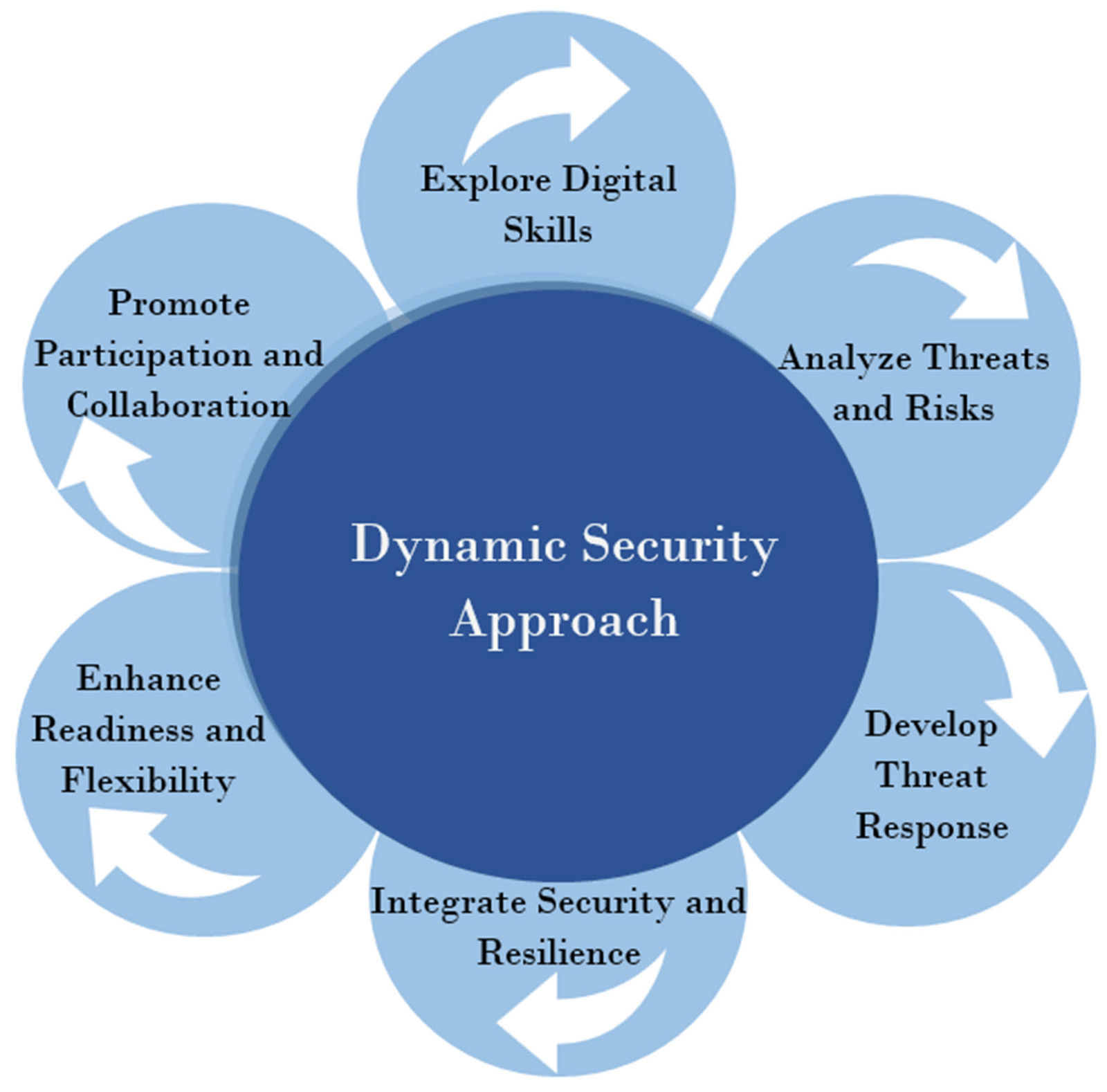
In today’s digital age, cybersecurity is not just a buzzword but a necessity. The increasing number of cyberattacks highlights the vulnerabilities in our digital systems, making cybersecurity a critical area of concern for individuals, companies, and governments alike. This comprehensive blog post delves into the multifaceted nature of cybersecurity, exploring its challenges, solutions, and the future landscape.

 The Ever-Evolving Threat Landscape

Cyber threats have become more sophisticated over the years. Initially, cyberattacks were mostly the work of individual hackers, but today, they can involve highly organized crime syndicates and state-sponsored actors. The types of threats are also evolving, ranging from malware and phishing to more advanced threats like ransomware, cryptojacking, and state-sponsored cyberattacks.

Phishing attacks, for instance, have become more sophisticated, with attackers using social engineering tactics to trick victims into providing personal information. Ransomware attacks, where attackers lock the data on a victim’s device and demand ransom to unlock it, have seen a significant rise and have affected large corporations, healthcare systems, and government agencies.

The Importance of Cybersecurity Awareness

Awareness is the first line of defense in the battle against cyber threats. Individuals and organizations must be educated about the risks associated with cyber activities. This includes understanding the types of cyberattacks, the tactics employed by attackers, and the potential impact of these threats. 

Organizations, in particular, need to conduct regular training sessions for their employees to ensure they are aware of the latest cybersecurity practices and procedures. Awareness also involves keeping abreast of the latest security patches and updates and implementing them promptly to mitigate vulnerabilities.

 Technological Solutions in Cybersecurity

Technology plays a crucial role in enhancing cybersecurity. Various tools and technologies can help protect against cyber threats:

– Firewalls and intrusion detection systems (IDS) help monitor and control incoming and outgoing network traffic based on predetermined security rules, offering the first line of defense.

  – Antivirus software and anti-malware programs are essential for detecting and removing malicious software that finds its way into a system.

– Encryption technologies are critical for protecting sensitive data, ensuring that data is unreadable to unauthorized users.

– Blockchain technology is becoming increasingly popular for its ability to provide a secure and decentralized way of recording transactions, enhancing the security of data exchanges.

 Best Practices for Cybersecurity

To effectively combat cyber threats, adopting best practices is essential. For individuals, these include using strong, unique passwords for different accounts, enabling two-factor authentication, and regularly updating software and systems.

For organizations, cybersecurity best practices extend to:

– Risk assessment: Regularly assessing the security posture of the organization to identify vulnerabilities.

  – Data management: Implementing robust data management policies and procedures to ensure that sensitive information is securely stored and handled.

  – Incident response plans: Having a clear and tested incident response plan that can be quickly enacted in the event of a cyberattack.

– Regular audits: Conducting regular security audits and penetration testing to evaluate the effectiveness of current security measures.

 Regulatory Compliance

Compliance with cybersecurity regulations is another critical aspect that organizations must navigate. Various laws and regulations have been established to ensure that organizations implement adequate security measures to protect consumer and business data. GDPR in Europe and CCPA in California are examples of regulations that mandate strict measures for data protection and privacy.

The Future of Cybersecurity

Looking ahead, the field of cybersecurity is set to evolve in several ways. Artificial Intelligence (AI) and Machine Learning (ML) are expected to play a significant role in cybersecurity, providing powerful tools for automated threat detection and response. However, these technologies also present new challenges, as they can be used by cybercriminals to develop more sophisticated attack methods.

Additionally, as the Internet of Things (IoT) expands, securing the myriad of connected devices will become more crucial. The integration of cybersecurity strategies in the early stages of design and development of devices will be vital to ensure that they are not vulnerable to attacks.

 Conclusion

Cybersecurity is a dynamic field that requires constant vigilance, continuous learning, and proactive measures. As cyber threats evolve, so too must our strategies to combat them. By understanding the current landscape, implementing robust security measures, and staying informed about advancements, individuals and organizations can better protect themselves against the myriad of cyber threats they face today. In a world increasingly dependent on digital technologies, the importance of cybersecurity cannot be overstated.

Solar Powered Gear Gadgets: Unleashing the Sun’s Potential

0

Introduction

In a world where innovation meets sustainability, solar-powered gadgets are taking center stage. These marvels derive their energy not from conventional sources but from the brilliance of the sun. Join us on a journey through technology, adventure, and everyday life as we explore 62 awe-inspiring solar-powered devices. From redefining outdoor experiences to reshaping our homes, these gadgets showcase the boundless potential of solar energy. Let’s dive in!

Technology

  1. Logitech Solar Keyboard
    • A wireless keyboard that charges via solar panels, eliminating the need for batteries or cables.
  2. Urbanista Solar Headphones
    • Stylish headphones with integrated solar panels for on-the-go charging.
  3. Abfoce Portable Speaker
    • A compact Bluetooth speaker powered by sunlight.
  4. Goal Zero Portable Solar Panels
    • Foldable panels that generate up to 120 watts of power for outdoor adventures.
  5. Sun Tiles Solar Shingles
    • Roof shingles that seamlessly integrate solar cells into your home’s design.

Outdoor Gear

  1. Haines Solar Cooker
    • Cook meals using solar energy, perfect for camping or emergency situations.
  2. GoSun Solar Cool Box
    • Keep food and drinks cold without electricity.
  3. Solar-Powered Tents
    • Tents with built-in solar panels for lighting and device charging.
  4. Delxo Solar-Powered Tactical Flashlights
    • Reliable flashlights for nighttime adventures.
  5. Solgaard Backpack
    • A backpack with an integrated solar panel for charging devices on the go.

Garden

  1. Solar-Powered Garden Lights
    • Illuminate your garden using sunlight.
  2. Tertill Weeding Robot
    • A solar-powered robot that weeds your garden autonomously.
  3. Solar-Powered Pool Heaters
    • Extend your swimming season with solar-heated water.
  4. Solar-Powered Garden Speaker
    • Enjoy music outdoors while harnessing solar energy.

Home Appliances

  1. Solar-Powered Phone Charger
    • Charge your phone using sunlight.
  2. Solar-Powered Air Conditioning
    • Keep your home cool with solar energy.
  3. Solar Blinds
    • Window blinds with integrated solar panels.
  4. Solar Window
    • Transform your windows into energy generators.
  5. Solar Water Heaters
    • Heat water using solar collectors on your roof.

Wearables

  1. Solar-Powered Smartwatches
    • Garmin offers solar-powered smartwatches that charge from sunlight.
  2. Solar-Powered Jewelry
    • Stylish accessories with embedded solar cells.

Transportation

  1. Solar Bicycles
    • Bikes equipped with solar panels for charging while riding.
  2. Lightyear Solar Cars
    • Electric cars with integrated solar panels for extended range.
  3. Silent Yachts Solar-Assisted Boats
    • Luxury yachts powered by solar energy.

Toys

  1. Solar-Powered Toy Cars
    • Fun and educational toys for kids.
  2. Solar-Powered Outdoor Projectors
    • Create outdoor movie nights using solar energy.

Health

  1. Solar-Powered Hearing Aids
    • Innovative hearing aids that recharge with sunlight.

Why Solar-Powered Gadgets Matter

These gadgets offer more than convenience; they contribute to a greener tomorrow. By embracing solar energy, we reduce our reliance on fossil fuels and mitigate climate change. So, whether you’re camping, gardening, or simply enjoying the outdoors, let the sun power your adventures!

Remember, the solar-tech revolution is here, and it’s shining bright!

Robot Gadgets: Navigating the Smart Home Landscape

0

Introduction

Robot gadgets, often simply referred to as “robots,” are autonomous or semi-autonomous devices designed to perform specific tasks or functions. These gadgets incorporate advanced technologies such as artificial intelligence, sensors, and actuators to interact with their environment and carry out predetermined actions. In this blog, we’ll delve into some of the most innovative robot gadgets that have emerged recently, focusing on their unique features, real-world applications, and how they’re shaping the future of smart homes.

1. Motion Pillow

!Motion Pillow

The Motion Pillow is not your ordinary cushion. It uses AI to tackle snoring problems and enhance your sleep quality. Here’s how it works:

  • The AI Motion System detects snoring and slowly inflates airbags to lift your head, opening your airway to reduce snoring.
  • An accompanying app tracks sleep data, including snoring time, airbag operation time, sleep score, and more.
  • The Motion Ring, when combined with the pillow, provides real-time sleep status monitoring for a seamless experience.

The Motion Pillow earned the CES 2024 Innovation Award in the Smart Home category. While it normally costs $699, during the CES exhibition period, it’s available at a 40% discount, retailing at $420.

2. Bmind Smart Mirror

!Bmind Smart Mirror

The Bmind Smart Mirror claims to be the world’s first AI-powered smart mirror for mental wellness. Here’s what it offers:

  • Leveraging generative AI, the mirror provides personalized recommendations based on your mental state.
  • It offers light therapy sessions, guided meditation, and self-affirmations to improve mood and manage stress.
  • Recognized as a CES 2024 Innovation Award Honoree in the Headphones & Personal Audio category, it’s available for purchase at $699.99.

3. DJI Phantom 4 Advanced

!DJI Phantom 4 Advanced

While not a household gadget, the DJI Phantom 4 Advanced drone demonstrates the power of AI:

  • Drones need autonomy to avoid collisions and navigate safely.
  • AI algorithms enable the Phantom 4 Advanced to maintain stability, avoid obstacles, and capture stunning aerial footage.
  • Whether you’re a professional photographer or an enthusiast, this drone showcases the potential of AI in consumer technology.

Conclusion

Robot gadgets are no longer science fiction—they’re part of our daily lives. From smart pillows to mental wellness mirrors and advanced drones, AI-infused devices are transforming how we interact with technology. As we embrace these innovations, we’re stepping into a future where our homes are smarter, more efficient, and more personalized.

The Evolution and Future of Smart Home Technology

0

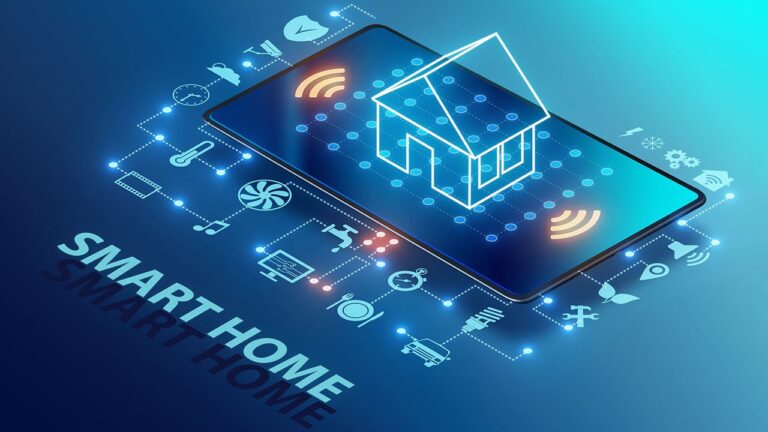
Smart homes are no longer a futuristic concept; they’re a contemporary reality With advancements in technology and an increased focus on home automation, the concept of smart homes has significantly evolved This blog explores the rise of smart home technology, examines current trends, and forecasts future developments

The Rise of Smart Home Technology

The foundation of smart home technology was laid when home automation concepts were first introduced Initially, these systems were rudimentary, mainly focusing on basic home security and remote control of appliances and lighting However, the introduction of the Internet and more advanced computing technologies dramatically expanded the capabilities of home systems

In the early 2000s, the integration of wireless technology into home automation products enabled a broader range of possibilities for controlling home environments The real turning point came with the proliferation of smartphones, which became the universal remote for controlling connected devices at home This ease of use and accessibility led to significant growth in the smart home industry

Understanding Smart Home Ecosystems

A smart home ecosystem is comprised of interconnected devices that communicate with each other to create a seamless, automated, and highly personalized environment This ecosystem includes everything from smart thermostats and lighting systems to advanced security cameras and voice-controlled assistants

  1. Smart Thermostats: Devices like the Nest Thermostat learn from your habits to more efficiently manage your home’s temperature They adjust based on your routine and can be controlled remotely, leading to enhanced comfort and energy efficiency
  2. Smart Lighting: Systems like Philips Hue offer not only the ability to control lights remotely or via schedule but also the capacity to change colors and intensity to fit different moods or occasions
  3. Home Security Systems: Modern smart home security systems, such as those from Ring or Arlo, incorporate real-time video feeds, motion detection, and integration with law enforcement for enhanced security
  4. Voice Assistants: Devices like Amazon Echo and Google Home have become central to the smart home experience, allowing users to control their environment with simple voice commands

Current Trends in Smart Home Technology

The smart home market continues to grow, driven by several key trends:

  • Integration and Interoperability: As the smart home device ecosystem expands, there is a growing emphasis on ensuring these devices can work together seamlessly Standards and frameworks like Matter are being developed to aid this interoperability
  • AI and Machine Learning: Artificial intelligence is increasingly being used to enhance the functionality of smart home devices, making them more adaptive and proactive For example, AI can predict your preferences in lighting and room temperature, adjusting the environment accordingly without user input
  • Increased Focus on Security: As homes become smarter, they also become targets for cyber attacks Thus, there is a heightened focus on securing home networks and devices from potential vulnerabilities
  • Sustainability: Energy management is a significant component of smart home technology, with devices designed to reduce energy usage and integrate with renewable energy sources

The Future of Smart Home Technology

Looking forward, the smart home technology industry is poised for even more revolutionary developments:

  • Greater Integration with IoT: The Internet of Things (IoT) will become more entwined with smart home technology, leading to more automated appliances and systems that can communicate with one another
  • Advanced Health Monitoring: Future smart homes might include more health-related features, such as air quality monitors and sleep trackers, integrating closely with personal health devices
  • Smart Home Robots: While still in early development, robots that assist with everyday tasks around the house could become a common feature in future smart homes
  • Augmented and Virtual Reality: As AR and VR technologies mature, they could be used within smart homes for training, troubleshooting, and enhancing the physical space with digital information

Conclusion

The evolution of smart home technology has made life more convenient and energy-efficient, reshaping how we interact with our living spaces As technology continues to advance, the home of the future will likely be even more interconnected and intuitive, blending the physical and digital worlds in ways we are just beginning to understand The potential for smart homes is limited only by our imagination and the technologies we develop to realize it

Enhancing Safety and Security: A Guide to Must-Have Security Gadgets

0

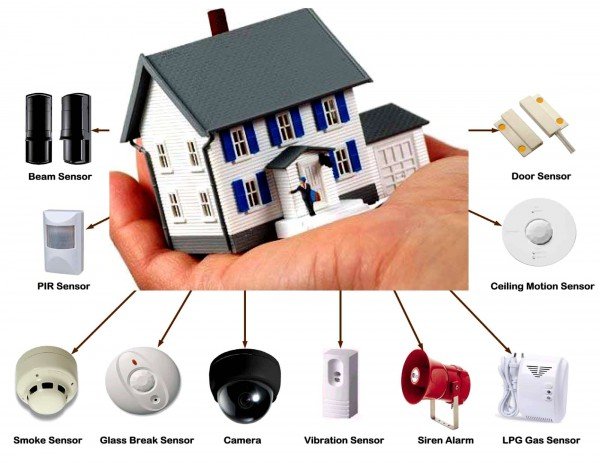
In an increasingly interconnected world, safeguarding our homes, offices, and personal spaces has become paramount. Fortunately, technology offers a plethora of security gadgets designed to protect us from threats, monitor our surroundings, and provide peace of mind. Whether you’re a homeowner, a renter, or a business owner, investing in the right security devices can make all the difference. Let’s explore some cutting-edge security gadgets that can enhance safety and security:

1. Smart Cameras and Surveillance Systems

Godrej High Definition 1080P Full CCTV Camera Kit

  • This comprehensive kit includes high-definition cameras with night vision capabilities.
  • Features like motion detection, remote viewing, and cloud storage ensure robust surveillance.
  • Ideal for both home and office use.

CP Plus Set of 4 Bullet CCTV Cameras with 4 Ch DVR

  • A cost-effective solution for 24/7 monitoring.
  • Weatherproof cameras capture clear footage even in challenging conditions.
  • DVR allows recording and playback of video feeds.

VelVeeta Brand New Anti-Theft Burglar Pad Lock Alarm

  • Attach this padlock to doors, gates, or valuables.
  • If tampered with, it emits a loud alarm, deterring intruders.
  • Portable and easy to install.

Carecroft Security Padlock Anti-Theft System

  • A combination padlock with an alarm function.
  • Set your own code and receive alerts if someone tries to break in.
  • Suitable for securing bikes, lockers, and gates.

2. Video Door Phones and Smart Doorbells

Godrej Security Solutions Solus 4.3 Lite Video Door Phone

  • A sleek video door phone with a color display.
  • See and communicate with visitors at your doorstep.
  • Enhances home security by allowing you to verify identities before opening the door.

Kross Video Door Phone Doorbell

  • Combines a doorbell with a video intercom system.
  • Night vision and wide-angle lens provide clear views.
  • Record visitor images and monitor activity remotely.

360 AI Face Recognition WiFi Smart Video Doorbell

  • Cutting-edge doorbell with face recognition technology.
  • Alerts you when recognized faces approach your door.
  • Connects to your smartphone for real-time notifications.

3. Hidden Cameras and Motion Sensors

ProElite WL01 WiFi Enabled Clock with Hidden Camera

  • Disguised as a clock, this device secretly records video.
  • Ideal for discreetly monitoring a room or office.
  • Connects to your Wi-Fi network for remote access.

ProElite F12 Hidden Spy Bulb Shape Fisheye 360°

  • Looks like a regular light bulb but conceals a 360° fisheye camera.
  • Captures panoramic views of the surroundings.
  • Perfect for monitoring large spaces.

Blackt Electrotech 360 Degree PIR Motion Sensor

  • Detects motion within a 360° radius.
  • Ideal for outdoor security lighting or triggering alarms.
  • Energy-efficient and reliable.

Panasonic PIR Sensor

  • Passive infrared sensor for detecting human movement.
  • Used in lighting control, security systems, and automation.
  • Reliable and widely used.

D-Link DCH-S150/IN Wi-Fi Motion Sensor

  • Connects to your Wi-Fi network and sends alerts when motion is detected.
  • Works well with other smart home devices.
  • Battery-powered and easy to set up.

4. Electronic Safes and Biometric Locks

Godrej Locks Advantis Digital Door Lock Touch Screen with RFID Technology

  • Keyless entry system with a touch screen interface.
  • Supports RFID cards and PIN codes.
  • Ideal for securing doors and cabinets.

PopScan-H Biometric Door Lock + Password

  • Biometric fingerprint recognition combined with a numeric keypad.
  • Provides dual security for doors.
  • Suitable for homes and offices.

Godrej Security Solutions Access SEEC9060 Electronic Safe

  • Secure your valuables with this electronic safe.
  • Programmable PIN code and override key for emergencies.
  • Ideal for storing documents, jewelry, and cash.

Yale Standard Digital Safe – YSS/250/DB2

  • Sturdy digital safe with a user-friendly interface.
  • Features a motorized locking mechanism.
  • Protects important items from theft and fire.

Conclusion: Prioritize Safety

Investing in security gadgets is an investment in peace of mind. Whether you choose smart cameras, hidden sensors, or biometric locks, prioritize safety and protect what matters most. Remember that prevention is better than cure, and these gadgets play a crucial role in deterring threats and ensuring your well-being.

Tech Industry Analysis: Navigating Through an Ever-Evolving Landscape

0

 Tech Industry Analysis: Navigating Through an Ever-Evolving Landscape


The technology sector is perhaps the most dynamic and transformative sphere of our modern economy, characterized by rapid innovation and fierce competition. From established giants like Apple and Microsoft to disruptive startups like SpaceX and Stripe, the tech industry continues to drive significant changes in how we live, work, and interact. This blog aims to provide a comprehensive analysis of the tech industry, examining key trends, challenges, and the future outlook.


 Current State of the Tech Industry


As of the latest data, the global tech market is poised for steady growth, projected to increase by around 5% annually. This growth is fueled by digital transformation initiatives across various industries, increased adoption of cloud computing, AI, and IoT solutions, and consumer demand for more sophisticated gadgets and digital services.


 Key Trends Shaping the Tech Sector


  1. Artificial Intelligence and Machine Learning: AI continues to be at the forefront of technological advancement. Industries from healthcare to finance are leveraging AI to enhance efficiency and innovation. AI’s capabilities in data analysis, pattern recognition, and predictive analytics are transforming business processes and consumer applications.


  1. Cloud Computing: The shift to cloud infrastructure is accelerating, driven by the need for scalability, flexibility, and more efficient data management. Companies like Amazon Web Services, Microsoft Azure, and Google Cloud are leading this space, providing robust platforms that support businesses in their digital transformation journeys.


  1. 5G and Enhanced Connectivity: The rollout of 5G networks is enhancing mobile connectivity, significantly boosting the speed and efficiency of data transfer. This advancement is critical for the development of new technologies such as autonomous vehicles, smart cities, and advanced mobile applications.


  1. Cybersecurity: As digital transformations pervade all sectors, cybersecurity remains a critical concern. The increasing frequency and sophistication of cyberattacks necessitate advanced security solutions to protect sensitive data and maintain consumer trust.


  1. Sustainable Technology: With global awareness of climate change growing, green technology is becoming increasingly important. Tech companies are investing in sustainable practices, including the use of renewable energy sources and designing products that are more energy-efficient.


 Challenges Facing the Tech Industry


  1. Regulatory Pressures: Tech companies face a complex web of regulatory challenges, including concerns over data privacy, antitrust issues, and cross-border data flows. Governments worldwide are scrutinizing tech giants, leading to increased compliance costs and operational hurdles.


  1. Supply Chain Disruptions: The tech industry is highly susceptible to supply chain disruptions, as seen during the COVID-19 pandemic. The reliance on global supply chains for electronic components and the concentration of chip manufacturing in specific regions pose significant risks.


  1. Talent Shortage: As technology evolves, there is a growing demand for skilled professionals in areas like AI, data science, and cybersecurity. The tech sector is experiencing a talent gap, which is slowing down innovation and increasing costs for companies competing for top talent.


 Future Outlook


The future of the tech industry is largely optimistic but requires navigating through potential pitfalls and embracing emerging technologies. Continued innovation in AI, quantum computing, and biotechnology is expected to drive growth and create new market opportunities.


  1. Quantum Computing: This emerging field promises to revolutionize problem-solving capacities beyond what’s achievable with traditional computers, offering profound implications for cryptography and materials science.


  1. Internet of Things (IoT): As IoT devices become more prevalent, they will generate vast amounts of data that can be used to enhance decision-making and create new business models.


  1. Augmented Reality and Virtual Reality (AR/VR): These technologies are set to transform various sectors by enhancing user experiences and creating immersive environments for training, education, and entertainment.


 Conclusion


The technology industry remains a powerhouse of global economic growth, characterized by its rapid pace of innovation and its ability to disrupt traditional industries. As we look ahead, the sector is expected to continue its trajectory of robust growth, driven by the advancement of AI, cloud computing, and IoT. However, navigating regulatory environments, addressing cybersecurity threats, and managing supply chain vulnerabilities are essential for sustaining growth. For tech companies and investors, staying ahead means not only embracing these technologies but also anticipating the regulatory and ethical implications they bring.

From Data to Discovery: A Journey through the World of Data Mining

0

Harnessing Insights: Exploring the Power and Potential of Data Mining

In today’s digitally-driven world, the sheer volume of data generated every second is staggering. From online transactions and social media interactions to sensor readings and business operations, data is everywhere. However, amidst this data deluge lies invaluable insights waiting to be discovered. This is where data mining comes into play.

Understanding Data Mining

Data mining is the process of extracting patterns, trends, and useful information from large datasets. It involves various techniques from statistics, machine learning, and database systems to uncover hidden knowledge and make informed decisions. At its core, data mining aims to transform raw data into actionable insights, ultimately driving business success and innovation.

The Data Mining Process

  1. Data Collection: The journey begins with gathering relevant data from diverse sources such as databases, websites, sensors, and more. This data can be structured, semi-structured, or unstructured, spanning text, images, videos, and numerical values.
  2. Data Preprocessing: Raw data often contains noise, inconsistencies, and missing values. Data preprocessing involves cleaning, filtering, and transforming the data to ensure its quality and suitability for analysis. Techniques like normalization, outlier detection, and feature selection are commonly employed.
  3. Exploratory Data Analysis (EDA): Before diving into complex algorithms, it’s crucial to understand the data’s characteristics and relationships. Exploratory data analysis involves visualizing and summarizing the data using statistical methods and data visualization tools.
  4. Model Building: This is the heart of data mining, where various algorithms are applied to uncover patterns and extract insights from the data. Common techniques include classification, regression, clustering, association rule mining, and anomaly detection. Each algorithm has its strengths and weaknesses, and the choice depends on the nature of the problem and the characteristics of the data.
  5. Evaluation: Once models are built, they need to be evaluated to assess their performance and validity. Metrics such as accuracy, precision, recall, and F1-score are used to measure the model’s effectiveness. Cross-validation and holdout validation are commonly employed techniques for evaluating model performance.
  6. Deployment: The insights derived from data mining are useless unless they are put into practice. Deployment involves integrating the models into business processes or applications, allowing stakeholders to make data-driven decisions and derive tangible benefits.

Applications of Data Mining

Data mining finds applications across various domains, revolutionizing industries and driving innovation:

  1. Business Intelligence: Data mining enables organizations to gain valuable insights into customer behavior, market trends, and competitor analysis, empowering them to make informed strategic decisions and optimize business processes.
  2. Healthcare: In healthcare, data mining is used for predictive analytics, disease diagnosis, patient monitoring, and personalized treatment recommendations, leading to improved patient outcomes and reduced healthcare costs.
  3. Finance: In the financial sector, data mining is employed for credit scoring, fraud detection, risk management, algorithmic trading, and customer segmentation, enhancing operational efficiency and minimizing financial risks.
  4. Retail: Data mining helps retailers understand consumer preferences, optimize pricing strategies, forecast demand, and personalize marketing campaigns, ultimately driving sales and enhancing customer satisfaction.
  5. Telecommunications: Telecommunication companies leverage data mining for churn prediction, network optimization, customer segmentation, and targeted marketing, improving service quality and retaining customers.
  6. Manufacturing: In manufacturing, data mining is used for predictive maintenance, quality control, supply chain optimization, and process optimization, increasing operational efficiency and reducing downtime.

Challenges and Future Directions

Despite its immense potential, data mining faces several challenges:

  1. Data Quality: Poor-quality data can lead to inaccurate insights and flawed decisions. Ensuring data quality through effective preprocessing techniques remains a critical challenge.
  2. Privacy and Ethical Concerns: With the proliferation of data, privacy and ethical considerations have become paramount. Balancing the need for data-driven insights with privacy concerns and ethical considerations poses a significant challenge.
  3. Scalability: As datasets continue to grow in size and complexity, scalability becomes a concern. Developing scalable algorithms capable of processing large volumes of data efficiently is essential.
  4. Interpretability: While complex machine learning models may yield high predictive accuracy, they often lack interpretability. Ensuring that data mining models are interpretable and transparent remains a challenge, especially in critical domains like healthcare and finance.

Looking ahead, the future of data mining holds immense promise. Advancements in artificial intelligence, machine learning, and big data technologies will further enhance the capabilities of data mining, enabling deeper insights, more accurate predictions, and smarter decision-making.

conclusion

data mining is a powerful tool for extracting actionable insights from vast amounts of data. By leveraging advanced algorithms and techniques, organizations can unlock the full potential of their data, driving innovation, and gaining a competitive edge in today’s data-driven world.

The Future of Wireless Charging: Innovations and Beyond

0

Revolutionizing Power: A Comprehensive Guide to Wireless Charging Technology

In an era where we are constantly tethered to our devices, one aspect of modern technology continues to evolve, promising a future unshackled by wires: wireless charging. This revolutionary technology has captured the imagination of consumers and industry experts alike, offering a convenient and efficient way to power up our devices without the hassle of cables. In this comprehensive guide, we delve deep into the world of wireless charging technology, exploring its origins, mechanics, current applications, and future potential.

Origins and Evolution:

Wireless charging technology traces its roots back to the late 19th century when Nikola Tesla first introduced the concept of wireless power transmission. However, it wasn’t until the early 21st century that significant strides were made in the development of practical wireless charging solutions for consumer electronics. The introduction of the Wireless Power Consortium (WPC) and the Qi wireless charging standard in 2008 marked a major milestone in the commercialization of this technology.

How Wireless Charging Works:

At its core, wireless charging technology operates on the principle of electromagnetic induction. It involves the transfer of power from a charging pad or transmitter to a receiver embedded within the device. The charging pad generates an alternating electromagnetic field, which induces an electric current in the receiver coil of the device, thereby charging its battery.

Types of Wireless Charging:

There are primarily two types of wireless charging technologies in use today:

  1. Inductive Charging: This is the most common form of wireless charging found in smartphones and other portable devices. It relies on magnetic induction to transfer power between the charging pad and the device.
  2. Resonant Charging: Resonant wireless charging technology operates at a higher frequency, allowing for greater flexibility in positioning and alignment between the charging pad and the device. This enables charging over longer distances and through certain materials.

Current Applications:

Wireless charging technology has already made significant inroads across various industries and applications:

  1. Consumer Electronics: Smartphones, smartwatches, wireless earbuds, and other portable devices now commonly feature built-in wireless charging capabilities.
  2. Automotive Industry: Many electric vehicle manufacturers have integrated wireless charging pads into their vehicles, enabling convenient charging without the need for cables or plugs.
  3. Medical Devices: Wireless charging technology is increasingly being used in medical devices such as hearing aids, pacemakers, and implantable sensors, offering greater convenience and safety for patients.
  4. Furniture and Infrastructure: Wireless charging pads are being integrated into furniture, countertops, and public spaces, allowing users to charge their devices seamlessly.

Benefits of Wireless Charging:

The widespread adoption of wireless charging technology is driven by several compelling benefits:

  1. Convenience: Wireless charging eliminates the need for cumbersome cables and connectors, offering a hassle-free charging experience.
  2. Durability: With no exposed connectors, wireless charging reduces wear and tear on device ports, increasing their longevity.
  3. Flexibility: Resonant wireless charging technology enables charging through certain materials, allowing for greater flexibility in design and implementation.
  4. Safety: Wireless charging systems incorporate various safety features, such as overcurrent protection and foreign object detection, ensuring safe and reliable charging.
  5. Environmental Sustainability: By reducing the reliance on disposable charging cables, wireless charging technology contributes to the reduction of electronic waste.

Challenges and Future Directions:

Despite its many benefits, wireless charging technology still faces certain challenges, including efficiency, compatibility, and standardization. Efforts are underway to address these challenges and further enhance the capabilities of wireless charging systems. Future developments may include:

  1. Increased Efficiency: Advances in coil design, materials, and charging algorithms aim to improve the efficiency of wireless charging systems, reducing energy loss and charging times.
  2. Extended Range: Research into long-range wireless charging technology could enable charging over greater distances, opening up new possibilities for automotive, industrial, and infrastructure applications.
  3. Universal Compatibility: Standardization efforts seek to establish common interoperability standards for wireless charging, ensuring compatibility across different devices and manufacturers.
  4. Integration with IoT: Wireless charging technology may play a key role in powering the growing ecosystem of Internet of Things (IoT) devices, enabling seamless integration and continuous operation.
  5. Bi-Directional Charging: Future wireless charging systems may support bi-directional power transfer, allowing devices to not only receive but also transmit power, enabling new use cases such as device-to-device charging.

Conclusion:

Wireless charging technology represents a significant step forward in the evolution of power delivery, offering a convenient, efficient, and environmentally sustainable alternative to traditional wired charging methods. As the technology continues to mature and innovate, we can expect to see its widespread adoption across a diverse range of industries and applications, ultimately shaping a future where power is truly wireless. Embracing the possibilities of wireless charging, we embark on a journey towards a more connected, efficient, and sustainable world.

Noon Electronics: Your Gateway to Cutting-Edge Gadgets and More

0

In the fast-paced world of technology, staying up-to-date with the latest gadgets and electronics is essential. Noon Electronics, a prominent online retailer, offers a wide range of electronic products, from smartphones to home appliances. Let’s explore the exciting world of Noon Electronics and discover what makes it a go-to destination for tech enthusiasts.

1. A Diverse Product Range

At Noon Electronics, you’ll find an extensive selection of electronic gadgets and accessories. Here are some of the categories they cover:

Mobile Phones and Accessories

  • Whether you’re looking for the latest flagship smartphone or a budget-friendly option, Noon has you covered.
  • Explore a variety of mobile phone accessories, including protective cases, chargers, and screen protectors.

Headphones and Audio Gear

  • Immerse yourself in high-quality sound with Noon’s collection of headphones.
  • Choose from wireless, noise-canceling, and in-ear headsets for an exceptional audio experience.

Laptops and Accessories

  • Need a new laptop for work, entertainment, or gaming? Noon Electronics offers a range of laptops from leading brands.
  • Find accessories like laptop bags, cooling pads, and external hard drives to enhance your computing experience.

Cameras and Visual Equipment

  • Capture life’s moments with Noon’s selection of cameras, camcorders, and accessories.
  • Whether you’re a professional photographer or a hobbyist, there’s something for everyone.

Wearable Technology

  • Stay connected and track your fitness goals with smartwatches and other wearable devices.
  • Noon Electronics features the latest wearables that seamlessly integrate into your lifestyle.

Home Appliances and Gaming Consoles

  • Upgrade your home with appliances like smart TVs, air purifiers, and kitchen gadgets.
  • Gamers can explore video game consoles, controllers, and a variety of games.

2. Why Choose Noon Electronics?

Convenience and Accessibility

  • Shopping at Noon Electronics is hassle-free. You can browse and purchase your favorite gadgets from the comfort of your home.
  • The user-friendly website and app make navigation a breeze.

Competitive Prices and Deals

  • Noon offers competitive prices, ensuring that you get value for your money.
  • Keep an eye out for exclusive deals and discounts on electronics.

Secure Shopping and Fast Shipping

  • Enjoy a secure shopping experience with Noon’s robust payment system.
  • Items are delivered quickly, thanks to their efficient shipping process.

3. Conclusion

Noon Electronics bridges the gap between technology and consumers, providing a seamless shopping experience for all things electronic. Whether you’re a gadget enthusiast, a gamer, or someone looking to upgrade their home, Noon has something for everyone.

So, dive into the world of Noon Electronics and explore the future of tech!