Home Blog Page 11

Surfshark VPN 101: How It Protects You from Hackers, Trackers and Data Brokers

0

Online safety has become a priority as digital threats continue to evolve. Hackers, trackers and data brokers constantly look for ways to collect and misuse personal information. Whether you browse the internet casually or work online every day, your data is always at risk. This is why using a trusted virtual private network has become essential. Surfshark offers strong protection with easy to use features that make online browsing safer, smoother and more private. In this blog we explore how Surfshark shields users from online dangers and why its technology is trusted by millions around the world.

Surfshark Online Protection Why It Matters Today

Surfshark helps users secure their internet connection by encrypting all online activities. Without a reliable virtual private network, anyone on the same network or a cybercriminal can access your information. Surfshark keeps this information safe and out of reach.

Key reasons you need Surfshark protection

  • Your online identity stays hidden
  • Your data is encrypted and unreadable
  • Your activities are shielded from unwanted tracking
  • Your personal information stays protected on public networks
  • Your browsing becomes more private

With Surfshark users can feel confident that their online presence is secure.

Surfshark Privacy How It Keeps Your Identity Safe
Surfshark hides your real internet protocol address and replaces it with a different one. This makes your activity anonymous and prevents websites, advertisers and other third parties from linking your browsing habits to your identity.

How Surfshark maintains privacy

  • Hides your location from websites
  • Prevents advertisers from building profiles
  • Stops trackers from monitoring browsing behavior
  • Keeps your device identity protected

Privacy online is important and Surfshark ensures that no one can trace your digital activity back to you.

Surfshark Encryption How It Protects Against Hackers
Hackers often target people using unsecured networks such as public WiFi. Surfshark uses strong encryption technology that turns data into unreadable information. Even if a hacker intercepts your connection the encrypted data will appear as random code.

Benefits of Surfshark encryption

  • Protects data on public WiFi
  • Prevents passwords and financial information from being hacked
  • Shields sensitive emails and files
  • Secures browsing on all devices

Surfshark uses modern encryption technology that meets industry leading standards ensuring that all your information remains safe and private.

Surfshark and Trackers How It Blocks Online Monitoring
Many websites and advertisers track your online movements to analyse your behavior. Surfshark helps stop this by blocking third party trackers and hiding your browsing patterns.

Why this matters for users

  • Prevents websites from following your activity
  • Reduces targeted ads
  • Avoids digital profiling
  • Maintains a cleaner and safer browsing experience

Surfshark helps users enjoy an internet experience that is both private and comfortable without unwanted tracking.

Surfshark and Data Brokers How It Stops Unwanted Data Collection
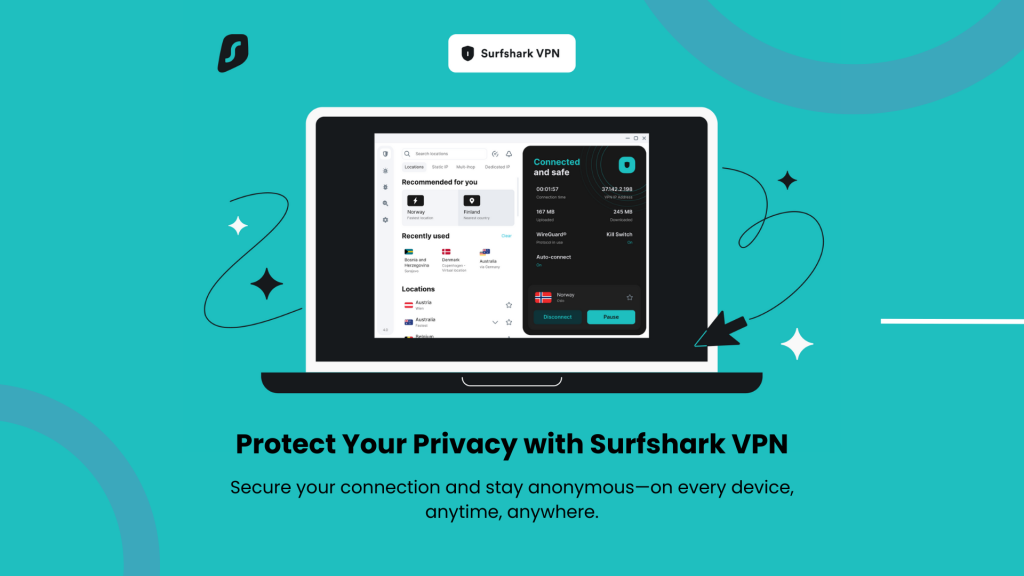
Data brokers collect personal information to sell to companies. This includes browsing history purchase patterns and demographic details. Surfshark helps keep data brokers away by hiding your activity and blocking access to information they rely on.

How Surfshark protects you from data brokers

  • Conceals browsing behavior
  • Reduces personal data exposure
  • Blocks tools used by brokers to track online patterns
  • Helps maintain a more private online footprint

By keeping your identity and activity hidden Surfshark reduces how much information data brokers can collect about you.

Surfshark CleanWeb How It Enhances Safety

Surfshark includes a feature known as CleanWeb which blocks harmful websites malicious ads and trackers before they load. This not only improves safety but also makes browsing faster and smoother.

CleanWeb advantages

  • Blocks dangerous websites
  • Stops intrusive ads
  • Prevents malware downloads
  • Improves browsing speed by reducing unwanted content

CleanWeb works quietly in the background making everyday use safer and more efficient.

Surfshark on Multiple Devices Protecting Your Entire Household

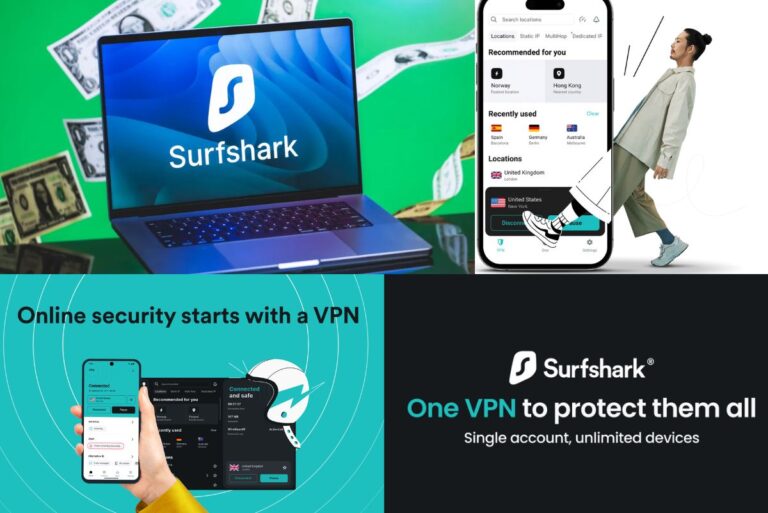
One of the strong benefits of Surfshark is that it allows unlimited device connections. This means you can protect all your devices and even those of family members.

Devices supported by Surfshark

  • Smartphones
  • Laptops
  • Tablets
  • Smart televisions
  • Gaming consoles

Surfshark ensures that every device connected to the internet stays protected under one subscription.

Surfshark Protocols How They Improve Safety and Speed

Surfshark uses modern connection protocols that balance speed and security. These protocols help create a reliable and efficient connection no matter where you are.

Popular Surfshark protocols

  • WireGuard for speed and safety
  • OpenVPN for secure connections
  • IKEv2 for stability on mobile networks

These advanced options help users enjoy a fast and secure experience tailored to their needs.

Surfshark Additional Privacy Tools What Makes It Even Stronger

Surfshark offers more than just a virtual private network. It includes tools that enhance privacy and security in a range of situations.

Helpful Surfshark tools

  • Surfshark Search for private and tracker free searching
  • Surfshark Alert for breach monitoring and security notifications
  • Surfshark antivirus for device protection

These tools work together to create a complete online safety system.

Surfshark Conclusion Why It Is a Strong Defense Against Digital Threats

Surfshark is designed to protect users from hackers trackers and data brokers with strong privacy features secure encryption and useful security tools. From hiding your identity to safeguarding your data Surfshark ensures that your digital life stays private and protected. With unlimited device connections user friendly design and global server coverage Surfshark remains a reliable choice for people seeking safe and private browsing.

If you want a simple effective way to secure your online world Surfshark offers the protection and flexibility needed to browse with confidence every day.

5 Reasons Surfshark’s Black Friday Offer Beats Every Other VPN Deal in 2025

0

Black Friday 2025 is shaping up to be one of the most competitive years for digital security deals. With so many virtual private network services promising deep discounts and premium features, it can be difficult for users to understand which offer truly provides value. Surfshark has positioned itself as one of the strongest contenders this year with a Black Friday offer that stands out due to pricing, features, performance and long term benefits. In this detailed guide, we explore why the Surfshark Black Friday deal is far ahead of its competitors and why users looking to upgrade their online protection should take notice.

Surfshark Black Friday Offer What Makes It Different in 2025

Before diving into specific advantages, it is important to understand why Surfshark consistently delivers more than other services. Surfshark combines global servers, powerful security tools and budget friendly pricing in a single package. Its Black Friday deal amplifies these advantages and makes premium protection accessible to more users.

Surfshark Pricing Reason One Why the Black Friday Offer Is Unmatched

Pricing is one of the most convincing reasons Surfshark outshines competitors during Black Friday. While other virtual private network services offer discounts, few can match the level of savings Surfshark provides for long term plans.

Why Surfshark pricing stands out

  • Long term plans become extremely affordable
  • Premium features remain fully unlocked even at discounted prices
  • No limitations added to discounted subscriptions
  • Better value compared to offers from other top virtual private network brands

Users can enjoy advanced privacy features without spending too much, making Surfshark one of the most cost effective options available during Black Friday.
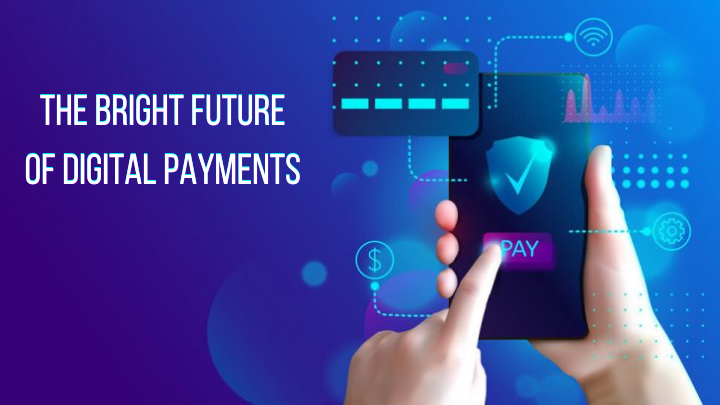
Surfshark Features Reason Two Why You Get More for Less

One of the biggest strengths of Surfshark is its list of features included in every plan. These features remain fully available even during Black Friday pricing which turns the deal into a high value package for users who want premium protection.

Key Surfshark features included

  • Data encryption to keep information secure
  • Identity protection tools
  • Private browsing with no logs
  • Unlimited device connections
  • Advanced security protocols
  • Built in ad and malware blockers

Other providers often restrict certain features during major sales. Surfshark does not, making the offer more transparent and valuable.

Surfshark Server Network Reason Three Why Speed and Access Improve

Surfshark offers access to thousands of global servers which is a critical factor for speed, content access and stable performance. The Black Friday offer includes full access to the entire server network without restrictions.

Benefits of the Surfshark server network

  • Smooth connection even during high traffic periods
  • Access to international content libraries
  • Faster downloads and browsing speed
  • Stable connectivity across multiple devices
  • Low latency for gaming and streaming

Many discounted virtual private network plans from other brands limit server locations, but Surfshark provides the complete network as part of its offer.

Surfshark Security Tools Reason Four Why Your Privacy Is Better Protected

Surfshark Black Friday 2025 also includes access to security tools that significantly improve online safety. These tools help users defend against evolving threats including identity theft, malicious tracking and digital surveillance.

Protective Surfshark tools included

  • Data breach monitoring
  • Device level antivirus
  • Secure search engine
  • Real time threat alerts
  • Advanced encryption layers

Other virtual private network services may charge extra for these tools or restrict them to premium tiers. Surfshark includes them in its discounted package, making the offer even more valuable for users looking for full protection.

Surfshark Future Proof Technology Reason Five Why It Stands Ahead of Competitors

Surfshark continuously updates its technology, making it a future proof service. The Black Friday deal includes the latest upgrades which ensures users benefit from long term improvements without additional charges.

Why the technology matters

  • Faster connection protocols
  • Improved device compatibility
  • Enhanced protection against modern cyber threats
  • Regular updates without extra cost

Since online risks evolve quickly, having a virtual private network that grows with technology is important. Surfshark maintains this advantage and includes it in every subscription.

Surfshark Additional Benefits Included in the Black Friday Offer

Apart from the primary reasons, Surfshark offers several side benefits that make the Black Friday deal even stronger.

Extra perks that enhance the deal

  • Unlimited device connections for families
  • Smooth setup on smartphones, laptops, smart televisions and tablets
  • Simple user interface for beginners
  • Reliable customer support
  • Strong reputation for privacy and transparency

These additional features make Surfshark useful not just for individuals but also for households looking to secure all their devices.

Surfshark Versus Other Virtual Private Networks Why the Deal Wins in 2025

While other brands offer similar discounts, they often limit device connections, reduce server access or hide premium features behind higher priced plans. Surfshark does not follow these patterns which is why the deal is more competitive.

What makes Surfshark the winning choice

  • Full access to every major feature
  • No device limit
  • Transparent pricing with no hidden conditions
  • Strong global performance
  • Better value over two or three year plans

This makes Surfshark practical, affordable and dependable for all types of users.

Surfshark Conclusion Why the Black Friday 2025 Deal Should Not Be Missed

The Surfshark Black Friday offer stands out in price, performance, features and long term value. With stronger security tools, a wide server network, unlimited device connections and better transparency, Surfshark simply provides more than other virtual private network deals available this year. This makes it an ideal choice for users who want superior digital protection at an affordable price.

If you are planning to upgrade your privacy or want a reliable virtual private network for your household, the Surfshark Black Friday deal is one of the smartest decisions you can make in 2025.

The Affordable Care Act (ACA) and Its Impact on Health Insurance in the United States

0

The Affordable Care Act (ACA), commonly known as “Obamacare,” is one of the most influential healthcare reforms in modern U.S. history. Since its passage in 2010, the ACA has reshaped how Americans access, afford, and qualify for health insurance. Its impact extends across individuals, families, insurers, employers, and the broader healthcare system.

This article explores what the ACA is, why it was created, how it changed the health insurance landscape, and what its ongoing impact means for Americans today.

1. What Is the Affordable Care Act (ACA)?

The ACA is a federal law designed to make health insurance more affordable, accessible, and transparent. Its primary goals were:

  • Reduce the number of uninsured Americans
  • Improve protections for consumers
  • Lower healthcare costs
  • Expand access to essential health benefits

To achieve these goals, the ACA introduced major reforms such as subsidies, Medicaid expansion, mandatory coverage standards, and changes to insurer practices.

2. Why Was the ACA Created?

Before the ACA, the U.S. healthcare system faced several problems:

High uninsured rates

Millions of Americans lacked health coverage due to cost, pre-existing conditions, or gaps in employer-based insurance.

Frequent denials for pre-existing conditions

Insurers could refuse coverage or charge extremely high premiums for conditions like asthma, diabetes, cancer history, or pregnancy.Limited financial assistance

Low- and middle-income families struggled with rising insurance premiums and medical bills.

Inconsistent coverage quality

Many plans lacked essential benefits such as mental health services, maternity care, or preventive care.

The ACA attempted to fix these issues by making health insurance more standardized, fair, and affordable.

3. How the ACA Changed Health Insurance in the U.S.

The ACA transformed the health insurance system through several major reforms. Each of these changes remains critical to how millions of Americans access coverage today.

A. Creation of the Health Insurance Marketplace

The ACA introduced online marketplaces (Healthcare.gov and state exchanges) where Americans can:

  • Compare insurance plans
  • View costs clearly
  • See benefits side-by-side
  • Apply for subsidies
  • Enroll in coverage with standardized rules

These marketplaces made shopping for insurance more transparent and competitive.

B. Subsidies to Make Insurance Affordable

One of the ACA’s most significant features is offering financial help to millions of Americans through:

Premium Tax Credits (PTCs)

Reduce monthly insurance payments for individuals and families based on income.

Cost-Sharing Reductions (CSRs)

Lower deductibles, copays, and out-of-pocket costs for qualifying individuals.

These subsidies made health insurance accessible to many people who previously could not afford it.

C. Medicaid Expansion

The ACA expanded Medicaid eligibility to cover more low-income adults.
States that adopted Medicaid expansion saw:

  • Sharp drops in uninsured rates
  • Increased access to preventive care
  • Improved health outcomes

Today, Medicaid expansion remains one of the ACA’s most impactful achievements.

D. Protection for Pre-Existing Conditions

Before the ACA, insurers could:

  • Deny coverage
  • Charge higher premiums
  • Exclude certain benefits

After the ACA, this became illegal.
Insurers must cover people with pre-existing conditions at fair prices, making coverage more equitable.

E. Essential Health Benefits Requirement

The ACA requires all marketplace and individual plans to cover 10 essential health benefits, including:

  • Hospitalization
  • Mental health services
  • Prescription drugs
  • Maternity and newborn care
  • Preventive care
  • Emergency services

This reform ensured every American receives comprehensive coverage, not minimum or incomplete plans.

F. Allowing Young Adults to Stay on Parents’ Plans Until Age 26

One of the ACA’s most popular provisions allows young adults to stay on a parent’s insurance plan until they turn 26.

This significantly reduced uninsured rates among young people and provided stable coverage during college and early career stages.

G. Preventive Care at No Extra Cost

The ACA requires insurers to cover certain preventive services for free, such as:

  • Annual physicals
  • Vaccinations
  • Cancer screenings
  • Birth control
  • Prenatal check-ups

This improved early detection and reduced long-term medical costs.

4. The Impact of the ACA on Americans

The ACA has had a lasting impact on the U.S. healthcare system.

A. More Americans Have Insurance

The ACA led to the largest decline in uninsured rates in decades.
Over time, millions gained coverage through:

  • Marketplace plans
  • Medicaid expansion
  • Staying on parents’ plans

This increased access to care and reduced financial strain.

B. Improved Consumer Protections

The ACA made insurance more consistent and fair by:

  • Eliminating annual and lifetime coverage limits
  • Ensuring coverage for essential benefits
  • Preventing premium hikes based solely on health status
  • Increasing transparency in pricing

These protections strengthened the reliability of insurance plans.

C. More Affordable Care for Low- and Middle-Income Families

Subsidies reduced premiums dramatically for millions.
For many, out-of-pocket costs dropped due to cost-sharing reductions and preventive care benefits.

D. Better Access to Preventive and Mental Health Services

The ACA required insurers to treat mental health like physical health, an important step toward expanding access to behavioral health care.

E. Increased Accountability for Insurance Companies

The ACA introduced rules requiring insurers to spend most of consumer premiums on healthcare rather than administrative costs or profits.
If they fail to meet the requirement, they must issue rebates to consumers.

5. Ongoing Challenges and Debates

Even with major improvements, the ACA continues to face challenges, such as:

  • Rising premiums in some regions
  • Political opposition and attempts to modify or repeal certain provisions
  • Differences among states regarding Medicaid expansion
  • Provider shortages in some areas

Despite these challenges, the ACA remains central to the U.S. healthcare system and continues to evolve.

Conclusion

The Affordable Care Act fundamentally reshaped health insurance in the United States. By expanding coverage, protecting people with pre-existing conditions, improving access to essential health benefits, and providing financial assistance, the ACA created a more inclusive and transparent healthcare system.

While debates around the ACA continue, its impact is undeniable: millions of Americans now have access to health insurance and medical care that were previously out of reach. As healthcare needs and costs continue to evolve, the ACA remains a cornerstone of the U.S. health insurance landscape.

Legal Ways to Monitor Your Child’s Phone using mSpy: What Parents Need to Know

Parenting has always required a balance between guidance and independence. In today’s digital environment, that balance extends into smartphones, messaging apps, and online communities that shape how children communicate and grow.

For many parents, the question isn’t whether to stay involved, it’s how to do so responsibly and legally. Monitoring a child’s phone can be a practical step toward ensuring safety, but it must be approached with clarity, transparency, and respect for both the law and the parent-child relationship.

Tools like mSpy are often part of this conversation, offering structured insights into device activity. However, the most important starting point isn’t the tool itself, it’s understanding the legal and ethical framework that guides its use.

This guide walks through what parents need to know to monitor their child’s phone legally, thoughtfully, and effectively.

Why Legal Awareness Matters in Digital Parenting

It’s easy to assume that monitoring a child’s device is automatically acceptable. In many cases, parents do have the legal right to supervise their minor children’s digital activity. However, the details can vary depending on location, the child’s age, and how the monitoring is conducted.

More importantly, legality and trust often go hand in hand. Even when something is legally permitted, the way it’s done can influence how a child perceives it.

For example, secretly installing monitoring software might be legal in certain situations, but it can lead to long-term trust issues if discovered later. On the other hand, being open about monitoring often creates a more cooperative environment.

Legal awareness, then, isn’t just about compliance, it’s about building a foundation for responsible digital parenting.

Understanding Consent and Ownership

One of the most important legal principles in phone monitoring is consent.

In many regions, parents or legal guardians are allowed to monitor devices that they own and provide to their children. This typically applies to younger children and early teens.

However, as children grow older, expectations around privacy begin to shift. In some jurisdictions, teenagers may have certain privacy rights, even within the family setting.

A practical approach many parents take is to treat consent as an ongoing conversation rather than a one-time decision. For example, when giving a child their first smartphone, parents might explain:

“This is your device to use, but as your parent, I’ll occasionally check in to make sure everything is safe.”

This kind of clarity helps avoid misunderstandings later on.

Transparency: The Cornerstone of Responsible Monitoring

While laws may vary, transparency is widely recognized as a best practice.

Being open about monitoring doesn’t weaken parental authority, it strengthens trust. Children are more likely to accept boundaries when they understand the reasoning behind them.

In real-life terms, this might look like setting clear expectations:

  • Explaining what will be monitored
  • Clarifying when and why checks may happen
  • Reassuring the child that the goal is safety, not control

Tools like mSpy can support this approach by providing structured insights that parents can use as conversation starters rather than hidden surveillance.

What You Can Legally Monitor

The types of data parents can monitor generally depend on device ownership and local laws, but there are common areas that are widely considered acceptable when done responsibly.

These often include call logs, text messages, app usage, and location data. The purpose is not to track every detail but to maintain a general awareness of digital activity.

For example, noticing that a child is spending excessive time on certain apps or communicating with unfamiliar contacts can prompt a discussion before issues escalate.

The key is to use monitoring as a tool for guidance rather than control.

How mSpy Fits Into Legal Monitoring Practices

When used within legal and ethical boundaries, mSpy offers a structured way to stay informed about a child’s digital life.

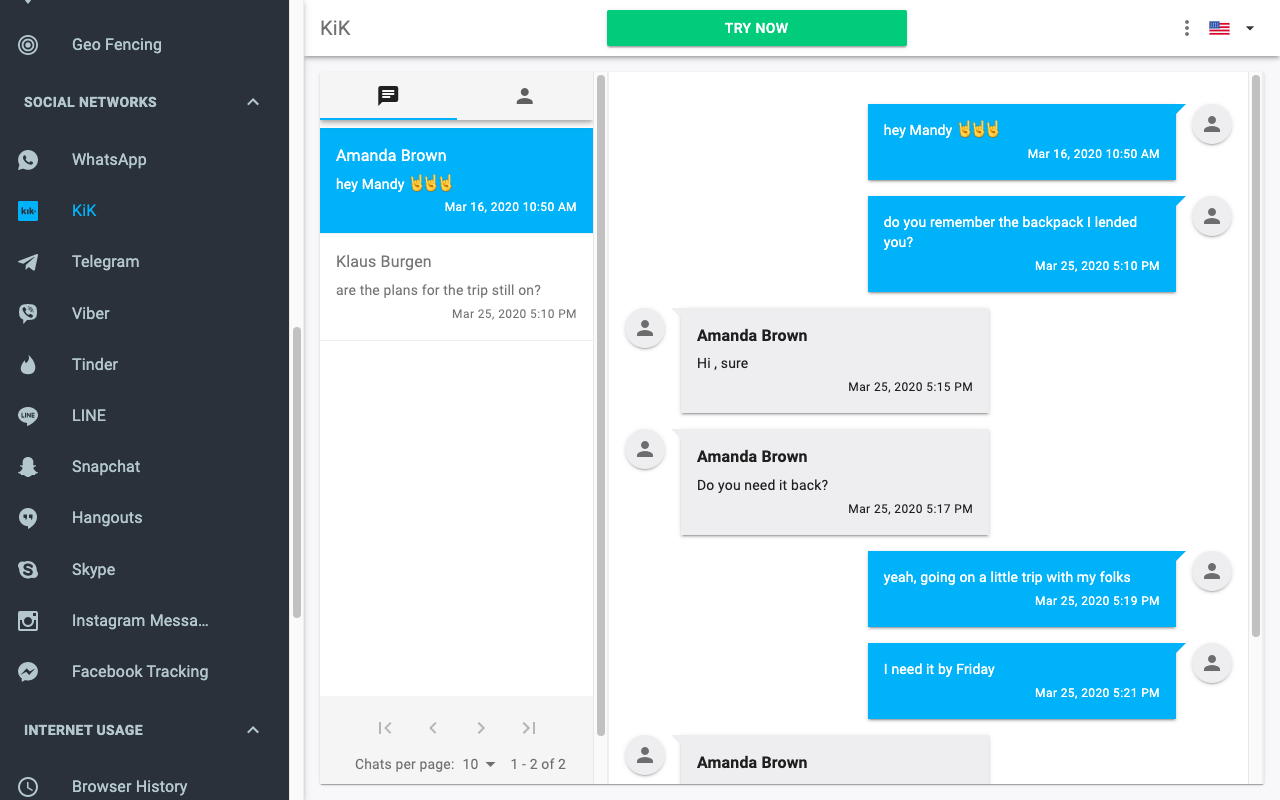
The platform is designed to organize data into clear categories like messages, calls, app activity, and location making it easier for parents to understand patterns without needing technical expertise.

What makes this particularly useful is the emphasis on clarity. Instead of overwhelming users with raw data, mSpy presents information in a way that supports thoughtful decision-making.

For instance, rather than checking every message, a parent might review overall communication patterns or changes in behavior. This aligns well with a responsible approach to monitoring.

Avoiding Common Mistakes

Even with the best intentions, it’s possible to approach phone monitoring in ways that create unnecessary tension or confusion.

One common mistake is over-monitoring checking every detail too frequently. This can make children feel constantly watched, which may lead to resistance rather than cooperation.

Another is relying solely on technology. Monitoring tools provide insights, but they don’t replace conversations. Without communication, even accurate data can be misinterpreted.

A more balanced approach is to use tools like mSpy as a guide, not a replacement for parenting.

A Real-World Scenario: Monitoring Done Right

Consider a parent whose teenage child has recently become more withdrawn. They’re spending more time on their phone and less time engaging with family.

Instead of immediately restricting access, the parent uses a monitoring tool to gain a general sense of activity. They notice increased messaging late at night and frequent interaction with a new contact.

Rather than jumping to conclusions, the parent starts a conversation:

“I’ve noticed you’ve been on your phone quite a bit at night. Is everything okay?”

This approach keeps the focus on understanding rather than control. The monitoring tool provides context, but the conversation builds connection.

Legal Considerations Across Regions

While the general principles of parental monitoring are similar worldwide, specific laws can vary.

In some countries, parental authority provides broad rights to supervise a child’s device. In others, there may be stricter privacy regulations, especially for older teenagers.

Because of this, it’s always a good idea to familiarize yourself with local laws or seek professional guidance if you’re unsure.

What remains consistent, however, is the importance of responsible use. Tools like mSpy are designed to support legal monitoring, but the responsibility ultimately lies with the user.

Building Healthy Digital Habits Together

Monitoring a child’s phone should never feel like a one-sided action. The most effective approach involves collaboration.

For example, parents and children can agree on guidelines together:

  • Reasonable screen time limits
  • Appropriate app usage
  • Open communication about online experiences

When children feel included in these decisions, they’re more likely to develop healthy habits that last beyond parental supervision.

In this context, monitoring becomes less about enforcement and more about education.

The Role of Technology in Modern Parenting

Technology isn’t going away, and neither are the challenges that come with it. The goal isn’t to eliminate risk entirely that’s rarely realistic but to manage it thoughtfully.

Tools like mSpy provide a way to stay informed without becoming overwhelmed. They offer structure, clarity, and practical insights that can support better decision-making.

At the same time, they work best when combined with communication, trust, and clear expectations.

Final Thoughts: A Balanced and Legal Approach

Monitoring your child’s phone is ultimately about care. It’s about ensuring safety, guiding behavior, and staying connected in a world where much of life happens online.

The legal aspect is an important foundation, but it’s only one part of the equation. How you approach monitoring whether with transparency, respect, and balance will shape its effectiveness.

mSpy can be a valuable tool in this process, offering a reliable and user-friendly way to understand digital activity. When used responsibly, it supports a parenting style that is both informed and compassionate.

In the end, the goal isn’t to watch every move. It’s to create an environment where children feel safe, supported, and understood both online and offline.

AI and Parental Control: How Apps Like mSpy Are Changing Digital Parenting

0

Parenting has always evolved alongside technology, but the pace of change today feels different. A generation ago, concerns centered around television and early internet use. Now, children navigate a world shaped by smartphones, social media, and increasingly, artificial intelligence.

For many parents, this shift brings a new kind of uncertainty. It’s no longer just about screen time, it’s about understanding complex digital behaviors, hidden interactions, and fast-changing platforms. This is where tools like mSpy are becoming part of a broader conversation.

Rather than simply monitoring activity, modern parental control apps are beginning to reflect the influence of AI offering smarter insights, clearer patterns, and more meaningful ways to support children online. This article explores how that transformation is unfolding and what it means for families heading into 2026.

The Evolution of Parental Control in the Age of AI

Traditional parental control tools were largely rule-based. You could block websites, set time limits, or restrict downloads. While useful, these controls often felt rigid and sometimes disconnected from how children actually use technology.

AI is changing that dynamic.

Instead of just enforcing rules, AI-driven systems analyze behavior. They look for patterns, detect anomalies, and highlight changes that might matter. This shift moves parental control from reactive to proactive.

In practical terms, it means parents don’t have to constantly check devices. Instead, they receive meaningful signals like unusual activity patterns or shifts in communication habits that help them decide when to step in.

Tools like mSpy are part of this broader evolution, offering features that align with this more intelligent, insight-driven approach.

How mSpy Reflects the Shift Toward Smarter Monitoring

At its core, mSpy remains a user-friendly monitoring platform. But what makes it relevant in the AI conversation is how it organizes and presents information.

Rather than overwhelming users with raw data, mSpy focuses on clarity. Activity is grouped, timelines are structured, and patterns become easier to spot. This may not always be labeled as “AI” in a technical sense, but the experience reflects the same goal: turning complex data into actionable understanding.

For example, instead of simply listing app usage, the platform helps parents recognize trends—like increased late-night activity or frequent communication with new contacts. These insights are often more valuable than individual data points.

From Data to Insight: The Real Value of AI in Parenting Tools

One of the most meaningful contributions of AI in parental control is context.

Consider a scenario where a child’s messaging activity suddenly increases. A traditional tool might show a spike in messages. An AI-informed system highlights the change as a pattern worth noticing.

This distinction matters.

Parents don’t need more information, they need better understanding. By focusing on patterns rather than isolated events, tools like mSpy help parents respond thoughtfully instead of reactively.

This approach aligns with how modern parenting is evolving. It’s less about control and more about guidance.

Real-Life Parenting in an AI-Driven Digital World

To understand how this plays out, imagine a typical evening.

A parent notices that their child has been spending more time on their phone over the past week. Instead of guessing, they check their dashboard and see a clear pattern: increased activity on messaging apps after 10 PM.

This insight doesn’t immediately trigger restrictions. Instead, it opens the door for a conversation.

“Hey, I noticed you’ve been staying up later on your phone, everything okay?”

This small shift from assumption to awareness can change the tone of parenting entirely. It replaces confrontation with curiosity, which often leads to better outcomes.

Balancing Technology and Trust

As parental control tools become more advanced, one question remains central: how do you balance monitoring with trust?

AI can provide insights, but it cannot replace relationships. The most effective use of tools like mSpy comes when they are integrated into a broader parenting approach that values communication.

Many families find success by being transparent. Explaining why monitoring is in place and how it’s used can help children feel supported rather than controlled.

AI-driven insights can then serve as a foundation for conversations, not conclusions.

The Subtle Advantages of AI-Enhanced Monitoring

One of the less obvious benefits of AI in parental control is efficiency.

Parents are busy. Between work, household responsibilities, and daily routines, there’s limited time to manually review device activity. AI helps by filtering what matters.

Instead of checking everything, parents can focus on key insights. This makes the process more sustainable over time.

Another advantage is adaptability. As children grow and their digital habits change, AI-driven systems can adjust by highlighting new patterns rather than relying on fixed rules.

This flexibility is particularly valuable in a world where apps and trends evolve quickly.

Where mSpy Fits in the Future of Digital Parenting

Looking ahead to 2026, it’s clear that parental control tools will continue to evolve alongside AI. The focus will likely shift even further toward predictive insights, behavioral analysis, and personalized recommendations.

mSpy already aligns with many of these principles by prioritizing clarity, usability, and structured insights. It doesn’t require advanced technical knowledge, which makes it accessible to a wide range of parents.

At the same time, it offers enough depth to support meaningful decision-making. This balance is what makes it a practical choice for families navigating digital challenges.

Practical Tips for Parents Exploring AI-Based Monitoring

For parents considering tools like mSpy, the key is to approach them thoughtfully.

Start by defining your goals. Are you looking to understand screen time habits, monitor communication, or ensure overall safety? Clarity here helps you use the tool more effectively.

Next, focus on patterns rather than individual actions. A single message or late night doesn’t necessarily indicate a problem, but consistent changes might.

Finally, keep communication at the center. Technology can provide insights, but conversations build trust. Combining both creates a more balanced and sustainable approach.

A New Era of Parenting, Guided by Insight

AI is not replacing parental judgment, it’s enhancing it.

By transforming raw data into meaningful insights, tools like mSpy help parents navigate the complexities of digital life with greater confidence. They reduce uncertainty, highlight what matters, and support more informed decisions.

At the same time, they remind us of something important: technology works best when it complements human connection.

As families move into an increasingly digital future, the goal isn’t to control every aspect of a child’s online experience. It’s to stay present, informed, and ready to guide when it matters most.

In that sense, AI-powered parental control isn’t just about monitoring. It’s about understanding and that’s a shift that many parents will find both practical and reassuring.

How to Monitor WhatsApp, Snapchat & Instagram Using mSpy in 2026

Raising children in a connected world comes with a new kind of awareness. Conversations no longer happen only at the dinner table or in the classroom, they unfold across messaging apps, disappearing stories, and private chats that parents rarely see.

For many families, the challenge isn’t about restricting access to platforms like WhatsApp, Snapchat, or Instagram. It’s about staying informed enough to guide children safely through them.

This is where tools like mSpy can play a practical role. Rather than acting as a replacement for trust, mSpy works best as a supportive layer helping parents understand digital activity so they can respond thoughtfully.

In this guide, we’ll explore how monitoring works across these platforms, what you can realistically expect in 2026, and how to use these insights responsibly.

Why Monitoring Social Apps Matters More Than Ever

Messaging and social apps have evolved rapidly. Features like disappearing messages, private stories, and encrypted chats have made communication more dynamic but also less visible.

For parents, this creates a gap. You may know your child is using these apps daily, but understanding how they’re using them is often unclear.

Monitoring tools are not about constant oversight. At their best, they help identify patterns changes in behavior, new contacts, or unusual activity that might otherwise go unnoticed.

For example, a sudden increase in late-night messaging or new unfamiliar contacts can become a starting point for a calm, informed conversation.

Understanding How mSpy Works with Social Media Apps

Before focusing on individual platforms, it helps to understand the broader approach.

mSpy doesn’t “hack” into apps or bypass security systems. Instead, it collects data from the device itself or synced backups, depending on the setup. This means the insights you see—messages, timestamps, or activity logs are based on what is already present on the device.

This approach keeps the experience straightforward and accessible, especially for parents who want clarity without technical complexity.

The exact level of visibility depends on factors like device type, operating system, and setup method, but the goal remains consistent: providing a clear, organized view of digital interactions.

Monitoring WhatsApp Using mSpy

WhatsApp remains one of the most widely used messaging platforms among teenagers and families alike. Its simplicity and global reach make it a daily communication tool.

With mSpy, parents can gain insight into WhatsApp activity in a way that feels structured rather than overwhelming.

What You Can See

The platform allows you to view message content, contact details, and timestamps. This means you’re not just seeing isolated texts, you’re understanding conversations in context.

For example, if your child is frequently messaging a new contact late at night, you’ll notice the pattern rather than a single message out of context.

Why This Matters

WhatsApp conversations often move quickly, especially in group chats. Having visibility into these interactions can help parents spot early signs of issues such as peer pressure or uncomfortable conversations.

In real-life scenarios, this might translate into noticing a shift in tone or frequency something that can prompt a supportive check-in rather than a reactive response.

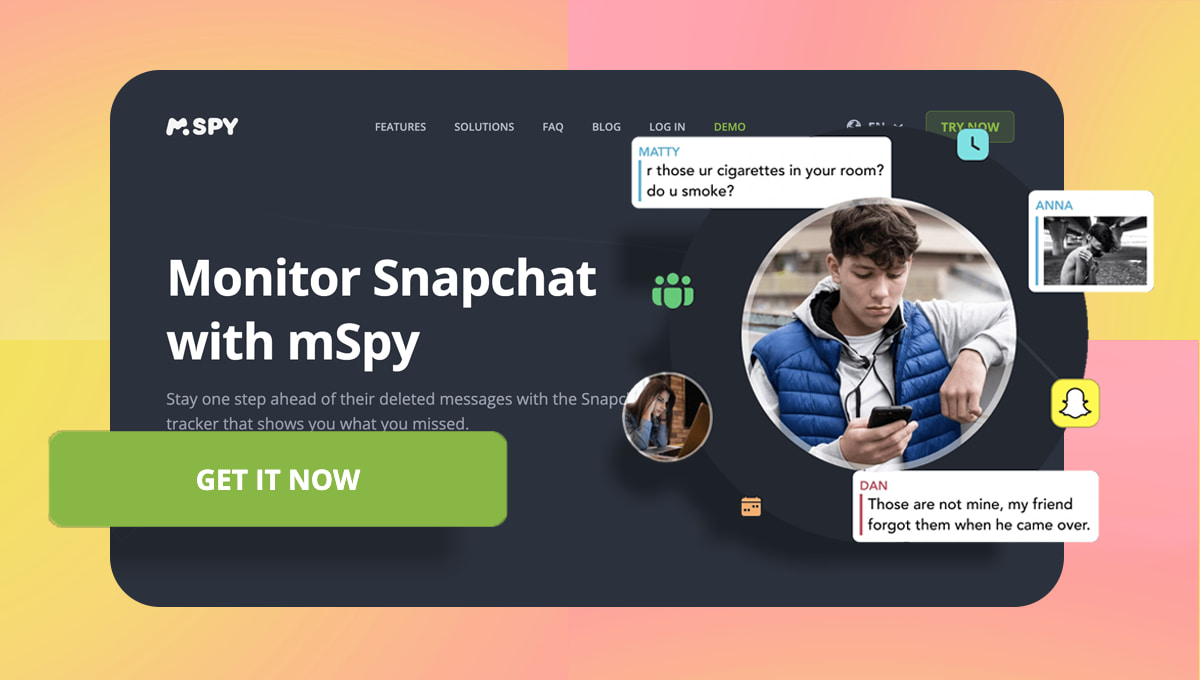
Monitoring Snapchat Using mSpy

Snapchat presents a different kind of challenge. Its defining feature disappearing messages makes it harder for parents to understand what’s happening after the fact.

This is where mSpy’s approach becomes particularly useful.

Capturing Activity Beyond Disappearing Messages

Through features like screen recording or activity tracking (depending on the setup), mSpy can provide visibility into interactions that might otherwise vanish.

This doesn’t necessarily mean capturing every moment. Instead, it offers snapshots of activity that help build a broader picture.

Understanding Snap Habits

Snapchat is often about quick exchanges rather than long conversations. With mSpy, parents can observe patterns who their child interacts with most frequently, how often the app is used, and at what times.

These insights are often more valuable than individual messages. They reveal habits, which are usually a better indicator of overall digital well-being.

Monitoring Instagram Using mSpy

Instagram blends messaging with content sharing, making it one of the more complex platforms for parents to navigate.

Between direct messages, comments, and story interactions, there are multiple layers of communication happening at once.

Accessing Direct Messages

mSpy provides visibility into Instagram direct messages, allowing parents to understand private conversations in addition to public interactions.

This is particularly helpful since many meaningful conversations now happen in DMs rather than comments.

Tracking Engagement Patterns

Beyond messages, mSpy can help you understand how your child engages with the platform. Are they spending hours scrolling late at night? Are they interacting heavily with certain accounts?

These patterns can offer valuable context without needing to monitor every detail.

Android vs iPhone: Differences in Monitoring Experience

The way mSpy interacts with these apps can vary depending on whether the device is Android or iPhone.

On Android, direct installation often allows for more comprehensive data access. This can include deeper insights into messages and app activity.

On iPhone, monitoring often relies on iCloud backups or synced data. While this approach is simpler to set up, it may provide slightly less real-time detail in certain cases.

Both methods are effective, and the choice often comes down to convenience and device availability rather than capability alone.

A Practical Scenario: What Monitoring Looks Like in Real Life

Imagine a typical school week. Your child uses WhatsApp to coordinate homework with classmates, Snapchat to stay connected with friends, and Instagram to follow trends and share updates.

With mSpy, you’re not reading every message or tracking every interaction. Instead, you’re gaining a general sense of activity.

You might notice that Snapchat usage has increased significantly over the past few days, or that Instagram messages are coming in late at night. These observations can guide simple conversations:

“Hey, I noticed you’ve been online quite late recently, everything okay?”

This approach keeps the focus on communication rather than control.

Using mSpy Responsibly and Transparently

Any monitoring tool raises an important question: how do you use it in a way that supports trust?

Many families find that openness makes a difference. Letting children know that monitoring is in place especially as they grow older can shift the dynamic from surveillance to safety.

It also helps to set clear boundaries. For example, you might decide to check activity only when there are specific concerns, rather than constantly reviewing data.

This balanced approach ensures that mSpy remains a helpful tool rather than a source of tension.

Tips for Getting the Most Value from mSpy

The effectiveness of any monitoring tool depends on how it’s used.

Rather than focusing on individual messages, it’s often more useful to look at trends over time. Patterns in app usage, communication frequency, and contact lists tend to provide more meaningful insights.

It’s also worth revisiting settings periodically. As your child grows and their digital habits evolve, your approach may need to adjust as well.

In many ways, using mSpy is similar to any parenting strategy, it works best when it evolves alongside your child.

Final Thoughts: A Balanced Approach to Digital Awareness

Monitoring apps like WhatsApp, Snapchat, and Instagram can feel overwhelming at first, especially given how quickly these platforms evolve.

Tools like mSpy simplify that complexity by offering a clear, structured view of activity. They don’t replace conversations or trust, they support them.

As we move toward 2026, digital awareness is becoming an essential part of parenting. Having the right tools in place can make that responsibility feel more manageable.

When used thoughtfully, mSpy provides a practical way to stay informed, encourage healthy habits, and create a safer digital environment without losing sight of the trust that matters most.

The Rise of Neobanks: Benefits, Risks & Future Outlook

0

The global banking industry is undergoing a major transformation, driven by advancements in finance technology. One of the most disruptive forces in this shift is the rise of neobanks, digital-only banks that operate without physical branches. Built on modern tech infrastructure and designed around customer convenience, neobanks are rapidly changing how people manage, save, and spend money.

Today, millions of users rely on neobanks for everyday transactions, international transfers, budgeting tools, and more. As digital adoption accelerates, these institutions are shaping the future of global finance.

What Are Neobanks?

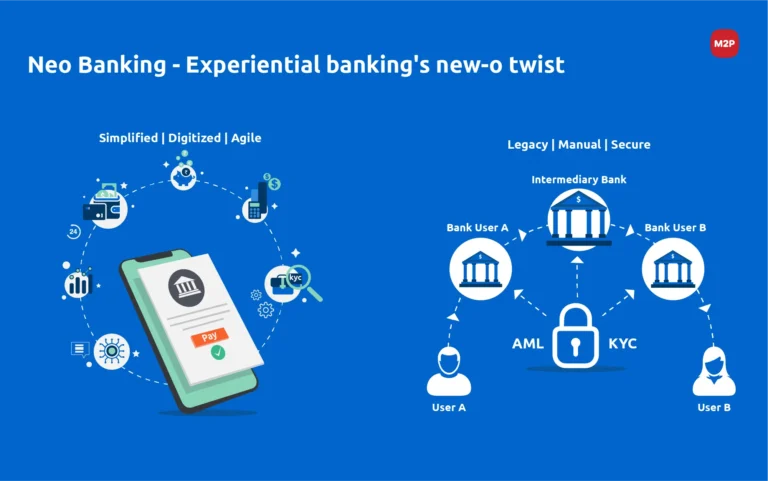
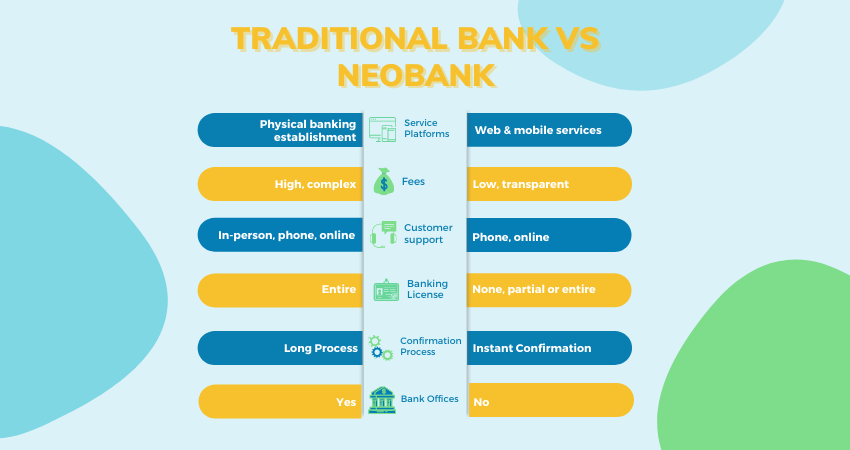
Neobanks are fully digital banks that offer financial services through mobile apps and online platforms. Unlike traditional banks, they do not operate physical branches and instead leverage advanced finance technology to deliver seamless, low-cost services.

Most neobanks provide:

  • Checking and savings accounts
  • Debit cards
  • Low-fee international transfers
  • Automated budgeting tools
  • Instant notifications for spending
  • Peer-to-peer transfers
  • High-yield savings options

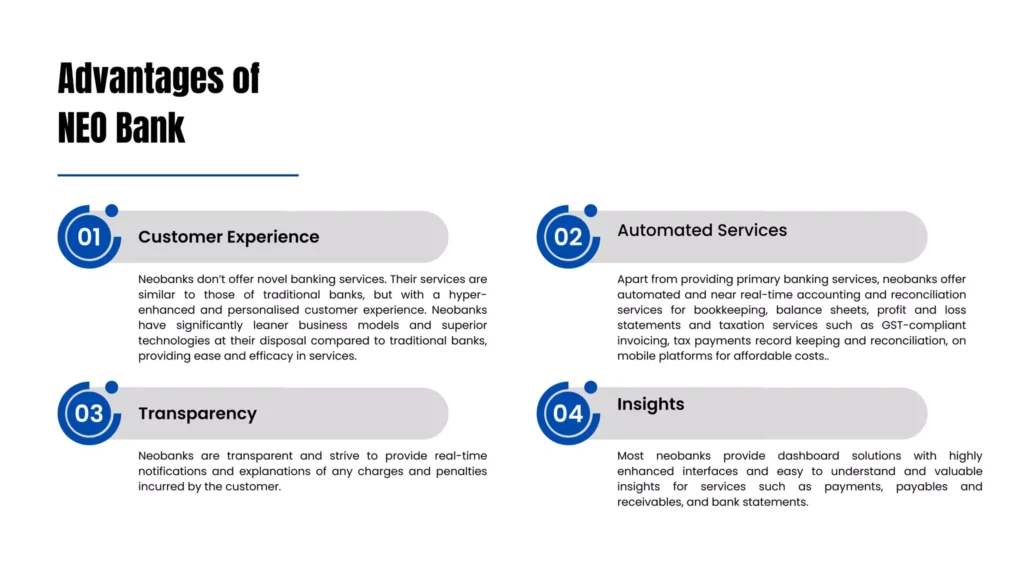
Their customer-centric design and tech-first approach make banking easier, faster, and more transparent.

Why Neobanks Are Rising Globally

Several factors have contributed to the rapid rise of neobanks:

1. Growth of Mobile & Internet Connectivity

With smartphones becoming essential tools, consumers prefer managing finances digitally. Neobanks fit naturally into this behavior.

2. Lower Operating Costs

Without branches or heavy infrastructure, neobanks can operate at a fraction of the cost of traditional banks passing savings to customers through lower fees.

3. Demand for Simplicity

People are tired of complex banking processes. Neobanks offer:

  • Quick onboarding
  • Instant KYC
  • Transparent pricing
  • Intuitive apps

4. The Rise of Fintech Adoption

As consumers become comfortable with finance technology, switching to digital banking becomes effortless.

Key Benefits of Neobanks

Neobanks provide several advantages that make them appealing to modern consumers:

1. Fast & Easy Account Opening

Most neobanks allow users to open accounts within minutes using digital KYC, eliminating paperwork and long branch visits.

2. Low or Zero Fees

With reduced overhead costs, neobanks often charge minimal fees for:

  • ATM withdrawals
  • International transfers
  • Currency exchange
  • Monthly maintenance

3. User-Friendly App Experience

Neobanks typically offer beautifully designed apps featuring:

  • Real-time spending notifications
  • Smart budgeting tools
  • Automatic categorization of expenses
  • Goal-based savings

4. Better International Banking

Many neobanks provide cheaper and faster cross-border transactions compared to traditional institutions.

5. Innovative Features

Leveraging finance technology, neobanks introduce features like:

  • Round-up savings
  • Instant credit lines
  • Virtual cards
  • Subscription management

These innovative tools make money management more convenient and transparent.

Risks & Limitations of Neobanks

Despite their benefits, neobanks come with challenges consumers should be aware of:

1. Limited Financial Products

Some neobanks may not offer:

  • Loans
  • Mortgages
  • Investment products

Their services, while improving, may not match the full spectrum provided by traditional banks.

2. Lack of Physical Branches

Customers who prefer in-person support or need complex services may find digital-only assistance insufficient.

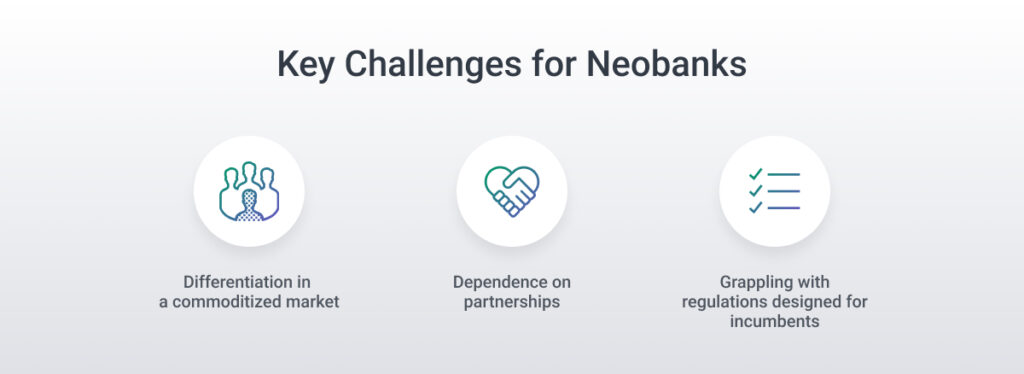
3. Regulatory Gaps

Many neobanks operate under partner banks’ licenses. In regions with less-developed fintech regulations, consumer protection may vary.

4. Cybersecurity Risks

Being fully digital makes them attractive targets for cyberattacks. While security is strong, risks persist:

  • Data breaches
  • Phishing scams
  • Account takeovers

5. Profitability Concerns

A majority of neobanks are still not profitable, raising long-term sustainability questions.

How Neobanks Are Disrupting Traditional Banking

Neobanks are forcing traditional banks to innovate by:

  • Improving digital user experience
  • Lowering service fees
  • Offering mobile-first services
  • Adopting new finance technology
  • Creating hybrid digital banking models

This competition pushes the entire industry toward modernization.

Future Outlook: What’s Next for Neobanks?

The future of neobanks looks promising, with several trends shaping the next decade:

1. Expansion Into Lending

More neobanks are expected to introduce personal loans, credit cards, and micro-lending products.

2. Integration With AI & Automation

AI-driven financial planning, fraud detection, and personalized banking will become standard.

3. Growth of Embedded Finance

Neobanks will partner with e-commerce, travel, and retail apps to embed financial services seamlessly.

4. Global Expansion

As smartphone adoption grows, neobanks will reach underserved markets and promote financial inclusion.

5. Digital Currencies & Web3

The rise of CBDCs and blockchain-based finance will play a major role in the evolution of digital banking.

Final Thoughts

Neobanks represent a major shift in global banking, offering speed, affordability, and innovation driven by advanced finance technology. While challenges exist, their advantages and rapid adoption indicate that digital-first banking is here to stay.

With continued innovation, strong regulation, and improved financial literacy, neobanks are likely to become key pillars of the future financial ecosystem reshaping how people around the world access and manage their money.

How Digital Payments Are Transforming the Global Economy

0

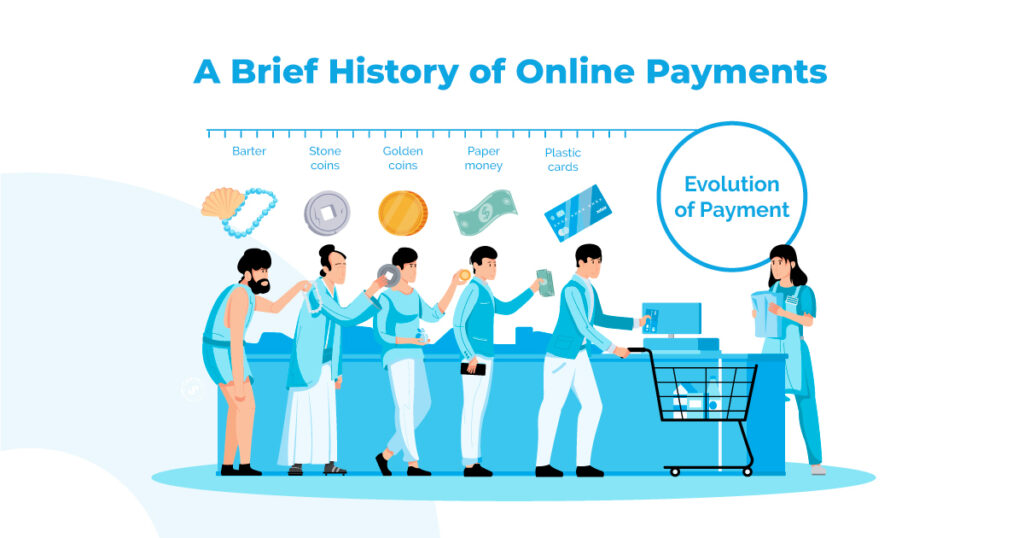
Over the past decade, the global financial system has undergone a massive shift driven by rapid advancements in finance technology. Among the most impactful innovations are digital payments systems that allow people and businesses to transfer money electronically with speed, convenience, and security. From mobile wallets to real-time bank transfers, digital payments are reshaping how the world interacts with money and redefining economic growth.

The Rise of Digital Payments

The movement toward digital payments accelerated with the expansion of smartphones, high-speed internet, and user-friendly fintech apps. Today, consumers can pay for almost anything groceries, bills, subscriptions, services through a tap on their phones.

Some of the most widely adopted digital payment methods include:

  • Mobile wallets (Apple Pay, Google Pay, Samsung Pay)
  • Real-time payment systems (UPI, FedNow, SEPA Instant)
  • Online payment gateways (PayPal, Stripe, Square)
  • Contactless cards
  • QR-based payments

As more countries embrace these options, the shift from cash to digital is transforming financial systems at both micro and macro levels.

Driving Financial Inclusion

One of the greatest impacts of digital payments is how they expand financial access. Traditional banking systems often exclude low-income individuals, rural communities, or those without formal identification. Digital payments solve many of these barriers by:

  • Allowing account opening via mobile devices
  • Using alternative verification systems
  • Enabling small, flexible transactions
  • Reducing dependence on physical bank branches

In many developing countries, digital wallets have become a gateway to formal financial services. This improvement in financial inclusion is a major achievement powered by finance technology.

Boosting Economic Growth

Digital payments play a significant role in stimulating economies by enabling:

1. Faster Money Movement

Real-time transactions help businesses manage cash flow more efficiently and reduce delays associated with traditional banking.

2. Increased Consumer Spending

Convenient payment options encourage spending, benefiting retail, services, and e-commerce sectors.

3. Growth of Small Businesses

Small and medium enterprises (SMEs) can accept digital payments instantly, opening doors to online storefronts and global customers.

4. Reduced Operational Costs

Digital transactions eliminate the costs of handling cash transport, security, and physical storage.

Enhancing Transparency & Reducing Fraud

Digital payments leave a digital trail, which enhances transparency across the financial system. Governments and businesses gain better insights into:

  • Tax collection
  • Fraud prevention
  • Transaction monitoring
  • Economic pattern analysis

With tools like encryption, biometric verification, and AI-based fraud detection, finance technology makes digital payments safer than ever.

Transforming Global Trade

As businesses go international, digital payments simplify cross-border transactions. Modern fintech platforms support:

  • Instant currency conversion
  • Lower transaction fees
  • Faster settlement times
  • Reduced dependence on intermediaries

Previously, global trade was slowed by manual banking processes and high costs. Today, finance technology platforms streamline international commerce for companies of all sizes.

The Shift Toward Cashless Societies

Countries like Sweden, Singapore, and South Korea are leading the transition to near-cashless economies. This shift brings:

  • Improved transaction efficiency
  • Lower costs of maintaining physical currency
  • Greater digital financial participation

Even in emerging markets, digital payments are driving the shift toward more modern financial ecosystems.

Challenges in Digital Payment Adoption

Despite its many advantages, digital payments face challenges:

  • Cybersecurity threats
  • Digital literacy gaps
  • Unequal internet access
  • Consumer trust issues
  • High transaction fees in some regions

Addressing these barriers is essential to ensure that the benefits of digital payments reach everyone.

The Future of Digital Payments

The next evolution in digital payments is already underway, powered by advanced finance technology such as:

  • AI-driven payment automation
  • Blockchain and decentralized finance (DeFi)
  • Central Bank Digital Currencies (CBDCs)
  • Biometric-based payments
  • Voice-enabled transactions

As these systems mature, global economies will become even more interconnected, efficient, and innovation-driven.

Final Thoughts

Digital payments are more than a convenience; they are reshaping the global economy. From promoting financial inclusion to accelerating international trade, this transformation is deeply rooted in the advancement of finance technology. As adoption continues to grow, digital payments will play an even greater role in shaping the future of global finance, economic development, and everyday consumer behavior.

BNPL (Buy Now, Pay Later): Convenience or Debt Trap?

0

In recent years, Buy Now, Pay Later (BNPL) services have become one of the fastest-growing trends in finance technology, offering consumers an alternative way to shop without using credit cards. With companies like Klarna, Afterpay, Affirm, and PayPal’s Pay-in-4 becoming mainstream, BNPL has reshaped how people, especially younger shoppers pay for everyday purchases.

But is BNPL truly a convenient financial tool, or is it quietly pushing consumers into debt?
Let’s break it down.

What Is BNPL and How It Works

BNPL is a short-term financing option that allows shoppers to split payments into smaller installments, often interest-free.

The typical flow looks like this:

  • Choose a BNPL option at checkout
  • Pay a small portion upfront (usually 25%)
  • Pay remaining installments over weeks or months
  • No interest, unless a payment is late
  • Soft credit checks or no credit checks at all

This seamless experience powered by modern finance technology has made BNPL extremely popular across e-commerce, travel, healthcare, and even grocery shopping.

Why BNPL Is So Popular

BNPL surged because it solves a few key consumer pain points:

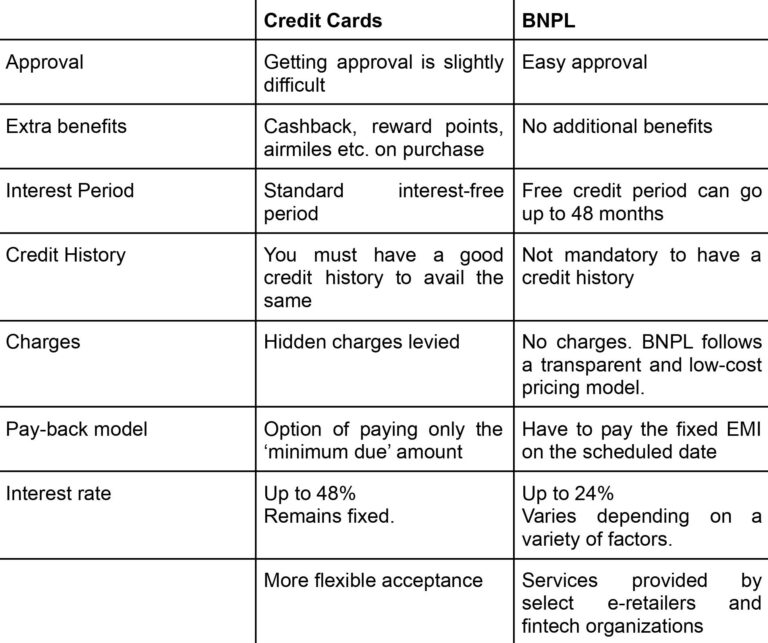
1. Instant approval with low friction

Unlike traditional credit cards, BNPL approvals are almost instant, thanks to automated finance technology systems that evaluate consumer risk in seconds.

2. Predictable payments

Fixed installment schedules make budgeting easier for many shoppers.

3. Zero or low interest

Most BNPL plans offer interest-free payments as long as the user pays on time.

4. Attractive to younger consumers

Gen Z and Millennials, who often avoid credit cards, find BNPL more transparent and easier to manage.

Where BNPL Becomes Risky

Despite the convenience, BNPL is not without downsides. Many consumers underestimate the long-term impact.

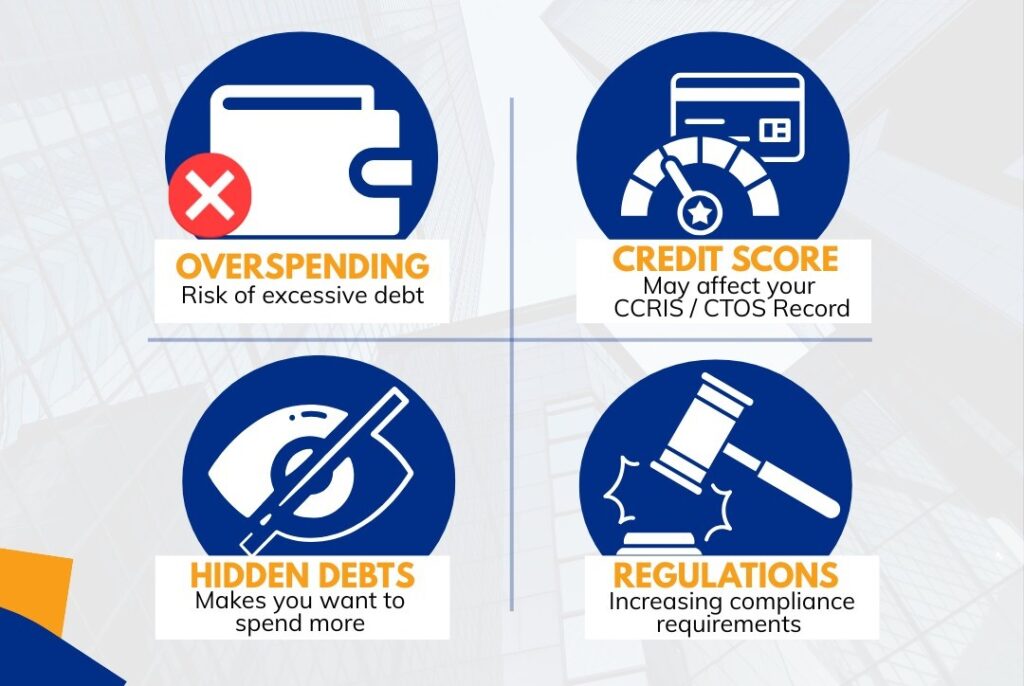
1. Encourages overspending

Splitting payments makes purchases appear affordable even when they’re not. Research shows BNPL users spend significantly more than planned.

2. Multiple BNPL loans = hidden debt

Since approvals happen fast and without strict checks, users often take multiple BNPL loans, losing track of repayment dates.

3. Late fees stack up

Missing payments leads to late charges, penalties, and interest turning the “interest-free” model into costly debt.

4. Potential credit score impact

Some BNPL providers report delinquent accounts to credit bureaus, harming credit scores.

5. Limited consumer protection

Unlike credit cards, chargeback protection or fraud coverage may be weaker with certain BNPL platforms.

BNPL’s Role in Modern Finance Technology

BNPL is more than just a payment method it represents how finance technology is changing global consumer behavior.
Key advancements that power BNPL include:

  • AI-driven risk scoring
  • Real-time payment tracking
  • Integration with mobile wallets
  • Personalized spending limits
  • Merchant-side analytics for dynamic offers

Fintech providers combine automation, data analytics, and user-friendly interfaces to make BNPL feel effortless. However, this same simplicity can sometimes mask the financial risks.

Is BNPL Good or Bad? It Depends.

BNPL Can Be a Convenient Tool When:

  • You make payments on time
  • You use it for low-value or planned expenses
  • You track all active installments
  • You avoid stacking multiple loans

BNPL Can Become a Debt Trap When:

  • You use it to afford things outside your budget
  • You rely on it regularly for essentials (groceries, bills, etc.)
  • You lose track of payment dates
  • You treat it like “free money”

Ultimately, BNPL is neither good nor bad, it’s a tool. Its value depends on how responsibly it is used.

Tips to Use BNPL Safely

To avoid falling into financial trouble, keep these practices in mind:

  • Use only one BNPL provider at a time
  • Turn on payment reminders or auto-pay
  • Avoid long-term BNPL with high interest
  • Don’t use BNPL for luxury or impulse buys
  • Review total repayment amounts before agreeing

These small habits protect your financial health while still letting you enjoy the convenience of BNPL.

Final Thoughts

BNPL has become a major force in modern finance technology, offering consumers flexibility and transparency that traditional credit systems often lack. However, its ease of use can also lead to unintentional overspending and silent debt accumulation.

If used thoughtfully, BNPL is a convenient payment solution. If mismanaged, it can quickly evolve into a debt trap.

Top Fintech Trends to Watch in 2025 & Beyond (Financial Technology Outlook)

0

The financial technology (fintech) sector has transformed the global financial landscape faster in the past decade than traditional banking has in the previous half-century. With new digital tools, AI-powered platforms, and decentralized systems reshaping how consumers interact with money, fintech innovations in 2025 are expected to redefine everything from payments to lending.

As financial technology companies scale, regulatory frameworks tighten, and consumer behavior shifts toward digital-first experiences, several major trends are emerging that will dominate the fintech industry in 2025 and beyond.

Below is a detailed, research-driven breakdown of the top fintech trends shaping the future of financial technology.

1. AI Becomes the Core Engine of Financial Technology

Artificial intelligence is taking center stage across all fintech services.

In 2025, AI will power:

  • Personalized financial planning
  • Instant risk assessment and credit scoring
  • Automated underwriting for loans and insurance
  • Fraud detection systems
  • Smart chatbots replacing basic customer support

Financial technology companies are integrating large language models (LLMs) to streamline operations and enhance the customer experience.

Why it matters:
AI is making fintech faster, more accurate, and more accessible improving both user experience and company efficiency.

2. Embedded Fintech Across Every Industry

Embedded financial technology integrates payments, lending, and insurance directly into non-financial platforms.

Examples include:

  • E-commerce sites offering instant buy-now-pay-later
  • Ride-share apps providing embedded insurance
  • SaaS platforms including built-in payment processing

By 2025, embedded fintech will become a standard part of online services.

Why it matters:
Consumers interact with financial services without ever leaving the platform they’re using.

3. The Rise of Fintech Super Apps in the U.S.

While super apps have dominated Asia for years, U.S. financial technology companies are beginning to follow the model.

Apps like PayPal, Cash App, and Walmart Money are expanding into multi-service fintech ecosystems offering:

  • Payments
  • Investing
  • Credit access
  • Budgeting tools
  • Rewards

Why it matters:
Users get an all-in-one financial management hub powered by fintech integrations

4. Real-Time Payments Become a Fintech Standard

Instant payments are becoming the new norm in the fintech world.

With systems like:

  • FedNow
  • RTP (Real-Time Payments Network)
  • Global inspiration from UPI
  • Money can now move instantly, 24/7.

Why it matters:
Financial technology platforms can enhance business payments, payroll, and consumer transactions.

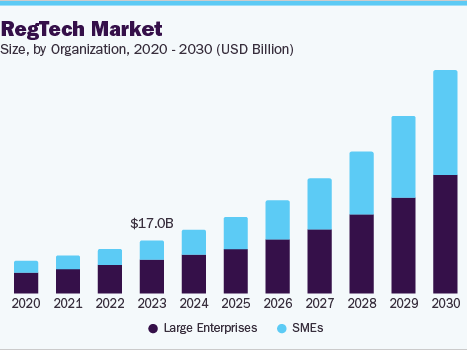
5. RegTech Growth Driven by Fintech Expansion

As fintech adoption increases, regulatory expectations grow as well.
This leads to the rise of RegTech, a key branch of financial technology focused on compliance automation.

2025 will see increased use of:

  • AI-powered compliance monitoring
  • Automated AML systems
  • Identity verification tools
  • Real-time risk reporting

Why it matters:
Fintech companies will be able to scale safely while staying compliant.

6. Digital Identity Becomes Central to Financial Technology

Digital identity verification is becoming essential for secure fintech onboarding.

Trends include:

  • Biometric login (face/fingerprint ID)
  • Passwordless authentication
  • Government-backed digital ID systems
  • Blockchain-based identity protection

Why it matters:
Stronger security leads to safer fintech products and reduced fraud.

7. DeFi Evolves With More Security & Regulation

Decentralized finance (DeFi) is transitioning from a high-risk space to a more structured part of financial technology.

Expect:

  • Regulated DeFi exchanges
  • Asset tokenization (real estate, bonds, stocks)
  • Institutional DeFi adoption
  • Stronger stablecoin regulations

Why it matters:
DeFi becomes more accessible to mainstream financial technology users.

8. Alternative Credit Scoring Expands Financial Inclusion

Traditional credit scoring often excludes millions of potential borrowers.
Fintech companies are solving this with alternative credit models based on:

  • Utility and rent payments
  • Gig economy income data
  • E-commerce behavior
  • Transaction history

Why it matters:
Financial technology becomes more inclusive and accessible.

9. InsurTech Growth Accelerates

Insurance technology is one of the fastest-growing segments of financial technology.

2025 will bring:

  • Automated claims handling
  • AI-based underwriting
  • Usage-based insurance
  • Real-time risk monitoring

Why it matters:
Insurance becomes quicker, cheaper, and more digital.

10. Cybersecurity Becomes the #1 Fintech Investment Area

With the rapid rise of digital transactions, fintech cybersecurity is becoming a critical priority.

Investments will focus on:

  • Multi-factor biometric authentication
  • Zero-trust security models
  • AI threat detection
  • Secure cloud infrastructure

Why it matters:
A secure fintech environment increases user trust and adoption.

Final Thoughts

The future of financial technology is defined by speed, intelligence, personalization, and security.
Fintech companies that embrace AI, real-time systems, digital identity, and strong compliance frameworks will lead the market.

As financial technology continues to evolve, consumers will benefit from services that are faster, safer, and more tailored to their needs.